


 English (English)
 Deutsch (German)
 Čeština (Czech)
 Italiano (Italian)
 Hrvatski (Croatian)
 Română (Romanian)
 български език (Bulgarian)
 Magyar (Hungarian)
 Español (Spanish)
 Français (French)
 Nederlands (Dutch)
 Polski (Polish)
 Slovenčina (Slovak)
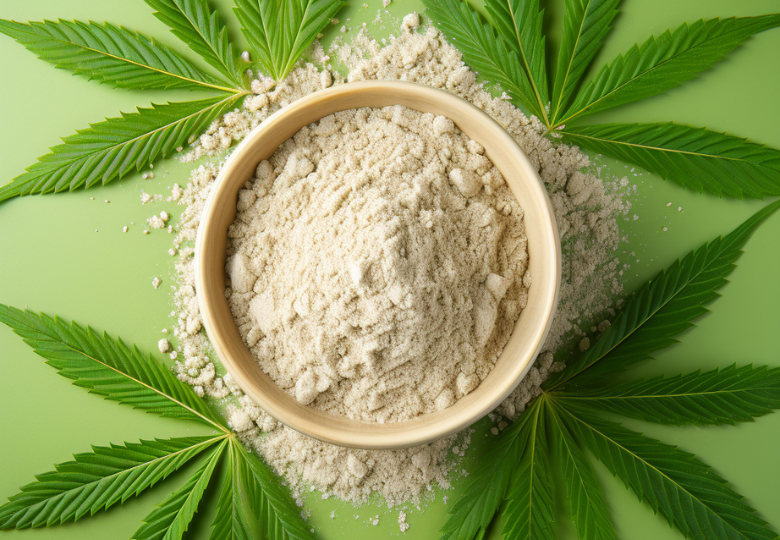
Collectible hemp seeds represent an extraordinary genetic heritage, rich in nutritional properties and unique aromatic characteristics. Making hemp flour at home makes the most of this genetic material, turning it into a versatile ingredient for the kitchen. In this article we will explore the complete process, from seed selection to grinding and storage of the flour. Why choose non-hulled seeds for production? How to store the final product properly and how long does it keep? Is it possible to make pancakes or bake bread with this flour? Let's discover together the properties of this fascinating product!
Nutritional characteristics of collectible hemp seeds
Hemp seeds represent the genetic material of the Cannabis sativa plant, characterized by an exceptional nutritional profile. These collectible seeds are prized for their richness in essential nutrients, which makes them a valuable ingredient for flour production.
Nutritional composition of hemp seeds:
- Complete proteins: the seeds contain all the essential amino acids, providing a high-quality plant protein source, ideal for vegetarian and vegan diets.
- Essential fatty acids: they have an optimal balance of omega-3 and omega-6, essential for maintaining cellular and metabolic functions.
- Dietary fiber: rich in both soluble and insoluble fiber, they support digestive and intestinal health.
- Vitamins and minerals: they contain vitamin E, magnesium, iron, zinc and other micronutrients essential for the body.
Hemp seeds are characterized by a delicate, nutty flavor, which makes them perfect for processing into flour. It is important to note that these collectible seeds do not contain psychoactive substances such as THC, making their use as food completely safe and legal in Europe.
From a classification standpoint, we can distinguish different types of seeds:
- Oil seeds: characterized by a high content of essential oils, ideal for extracting hemp oil and for producing flour rich in beneficial fats.
- Non-hulled seeds: retain the outer shell rich in fiber, perfect for producing whole flour with complete nutritional properties.
- Hulled seeds: free of the outer shell, they have a softer texture and are more easily digestible.
Hemp flour production process
Seed preparation and hulling
Hulling is the first fundamental step in producing hemp flour. This process requires care and precision to preserve the nutritional qualities of the genetic material.
- Material selection: choose high-quality collectible hemp seeds, preferably oil seeds or non-hulled seeds depending on the type of flour desired.
- Preliminary preparation: non-hulled seeds require removal of the outer shell to obtain a more refined flour.
- Manual hulling: a process that involves manually removing the shell using the fingers, gently separating the outer husk from the inner kernel. A slower method, but one that ensures greater quality control.
- Mechanical hulling: the use of dedicated hulling machines that speed up the process, particularly useful for larger quantities of seeds. This method is more efficient and allows for uniform processing.
Drying and seed treatment
Drying is a crucial stage in hemp flour production, essential for ensuring the quality and shelf life of the final product. This process offers several key advantages:
- Preventing mold formation: residual moisture encourages the growth of pathogenic microorganisms. Proper drying eliminates this risk and extends the product's shelf life.
- Preserving nutritional properties: controlled drying keeps the seeds' beneficial properties intact, including essential fatty acids, proteins and minerals.
- Improving the aromatic profile: dried seeds develop a more intense and characteristic aroma, which carries over into the final flour.
- Optimizing grinding: residual moisture can cause clumping during grinding, compromising the flour's texture.
Drying methods
There are several techniques for drying hemp seeds, each with specific characteristics:
- Natural drying: the seeds are spread on clean surfaces in a well-ventilated area and turned regularly to ensure even drying. An economical method, but dependent on environmental conditions.
- Oven drying: using a home oven set to low temperature (50-60°C) to precisely control the process. A faster and more reliable method, ideal for small quantities.
- Specialized dehydrators: using dedicated drying equipment that allows for precise control of temperature and humidity, ensuring professional results.
Grinding and storing hemp flour
Grinding process
Grinding is the final stage in hemp flour production. To achieve a superior-quality product, it is essential to use appropriate equipment and follow specific procedures. The previously dried seeds are turned into a fine powder using coffee grinders, high-power blenders or mills specific to oil seeds.
During grinding, it is important to avoid overheating the material, which could compromise the nutritional properties of the essential fatty acids. It is recommended to grind in short intervals, allowing the motor to cool between sessions.
Storage techniques
Proper storage of hemp flour is essential to keep its nutritional and organoleptic properties unchanged. The flour should be stored in airtight containers, preferably dark glass or opaque containers to protect it from light.
Optimal storage conditions call for a cool temperature (below 20°C), a dry and dark environment. In the refrigerator, hemp flour can keep for 3-6 months, while at room temperature the shelf life drops to 1-2 months.
Culinary uses and applications
Hemp flour lends itself to numerous culinary applications, and can be used as a partial substitute for traditional flour in many preparations. You can make nutritious pancakes by replacing up to 25% of conventional flour with hemp flour, resulting in a product with a slightly nutty flavor and superior nutritional value.
In baking, hemp flour can be incorporated into bread, focaccia and baked goods, giving a distinctive aroma and increasing protein and fiber content. It is recommended not to exceed 15-20% substitution to maintain proper rising.
Other uses include preparing protein smoothies, adding it to yogurt and cereal, and using it as an ingredient in homemade energy bars. Hemp flour is thus a versatile ingredient for enriching your daily diet with essential nutrients derived from this precious genetic material.