


 English (English)
 Deutsch (German)
 Čeština (Czech)
 Italiano (Italian)
 Hrvatski (Croatian)
 Română (Romanian)
 български език (Bulgarian)
 Magyar (Hungarian)
 Español (Spanish)
 Français (French)
 Nederlands (Dutch)
 Polski (Polish)
 Slovenčina (Slovak)
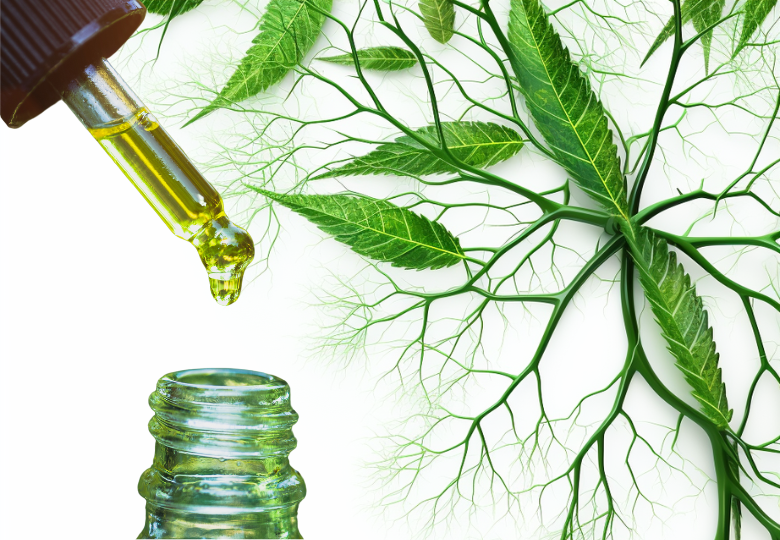



CBD oil represents one of the most interesting botanical products of the modern era. When consumed, this unique hemp extract undergoes a complex biokinetic process that determines its effectiveness and duration of action. Understanding the journey of CBD oil through the organism is crucial for evaluating the quality of the genetic material from which it originates. How do different consumption methods influence absorption and the speed of onset of action? In what way does CBD interact with the endocannabinoid system? How long does the organism retain CBD metabolites? Let us together explore the amazing journey of this cannabinoid through the human body and discover how it is gradually transformed and how this influences its properties.
Characteristics of CBD Oil as a Collectible Item
CBD oil is a concentrate derived from hemp that contains cannabidiol as its primary active component. Cannabidiol belongs to the group of over 100 natural compounds found in the cannabis plant. Unlike THC, CBD does not possess psychoactive properties.
This extract is becoming increasingly popular due to its unique chemical profiles and aromatic properties. CBD-rich genetics are known for their potential for relaxing profiles, reduction of tension, support of natural sleep, anti-inflammatory properties, as well as a possible influence on neurological functions.
CBD oil is produced using various extraction methods and is available in several variants:
- Full spectrum: contains a rich spectrum of cannabinoid compounds, including CBD and traces of THC (usually within legal limits)
- Isolate: contains exclusively isolated cannabidiol without other cannabinoid components
- Broad spectrum: similar to full spectrum, but without THC
The Absorption Process and Metabolic Transformation
After ingesting CBD oil, a complex process of absorption and metabolic transformation begins in the body. The type of absorption depends on the method of consumption. The most common approaches are oral and sublingual administration.
- Oral ingestion: when taken orally, the oil enters the stomach, where it is exposed to the action of gastric acid and begins to break down
- Sublingual administration: the oil is held under the tongue for a certain period of time, which allows for faster absorption through the mucous membranes into the bloodstream and bypasses the digestive process
Digestive tract: After absorption in the mouth or passage through the digestive tract, the CBD oil reaches the small intestine, where the main process of absorption takes place. The small intestine has a large absorption surface for the uptake of nutrients and compounds into the blood system.
First pass through the liver: After absorption, CBD is transported to the liver via the portal vein. The liver plays a key role in the metabolic processes of the organism, and it is here that the first phase of CBD metabolism begins. Liver enzymes break down CBD into various metabolites, which are subsequently released into the bloodstream.
Liver Metabolism and Enzymatic Transformation
The liver represents the primary organ for the transformation and breakdown of substances in the organism, and this also applies to CBD oil. After the first pass through the liver, the metabolic process begins, which includes several important steps:
- Enzymatic breakdown: The liver contains enzymes, particularly cytochrome P450, that are involved in the breakdown of substances. CBD is broken down into smaller compounds by these enzymes
- Formation of metabolites: During metabolism, CBD is transformed into various metabolites, that is, new compounds that arise from the original CBD. These metabolites may have different properties than the original CBD
- Influence on pharmacokinetics: Liver enzymes influence the rate of CBD metabolism, which can lead to differences in the duration and intensity of the effect
- Interactions with medications: Liver changes can affect the metabolism of CBD and other pharmaceutical preparations. There is a possibility that CBD influences the effectiveness of certain medications, as it can enhance or reduce the activity of liver enzymes
Circulation and Distribution in the Organism
After the formation of CBD metabolites in the liver, they enter the bloodstream and begin to spread throughout the organism. This distribution process is crucial for the way CBD acts on different parts of the body and target tissues:
- Bloodstream: CBD metabolites circulate in the blood and distribute throughout the body, including various organs and tissues
- Accumulation in adipose tissue: CBD is a lipophilic substance (fat-soluble), which means it can accumulate in fat cells. These reserves can serve as a source for gradual release into the bloodstream
- Endocannabinoid system: CBD has a significant connection to the endocannabinoid system, a complex network of receptors and endogenous cannabinoids. CBD metabolites can influence the CB1 and CB2 receptors, which has important implications for the immune system, the nervous system, and other biological processes
- Target tissues: CBD metabolites have the ability to bind to specific receptors and thereby modulate biological processes in various tissues
- Individual differences: The distribution and effect of CBD metabolites can vary depending on individual factors such as age, sex, genetics, and health status
Elimination and Completion of the Biological Cycle
The final phase of the journey of CBD oil through the organism involves the elimination of CBD metabolites from the body. This process occurs through several pathways:
- Renal excretion: A portion of the CBD metabolites is filtered through the kidneys and excreted in the urine
- Fecal excretion: Another portion of the metabolites is excreted via bile into the intestine and eliminated with the stool
- Metabolic half-life: The half-life of CBD in the body can vary depending on the route of administration and individual metabolic characteristics
Understanding these complex biokinetic processes is crucial for evaluating the quality and unique chemical profiles of different CBD genetics. The CBD concentration, the presence of other cannabinoids and terpenes, as well as the extraction method, influence how the oil interacts with the endocannabinoid system. This information is particularly relevant for collectors and enthusiasts who wish to understand the intricacies of various CBD-rich genetics, even though the cultivation and processing of hemp are subject to strict regulations in many countries, which must be taken into account when selecting seeds as collectible items.