


 English (English)
 Deutsch (German)
 Čeština (Czech)
 Italiano (Italian)
 Hrvatski (Croatian)
 Română (Romanian)
 български език (Bulgarian)
 Magyar (Hungarian)
 Español (Spanish)
 Français (French)
 Nederlands (Dutch)
 Polski (Polish)
 Slovenčina (Slovak)
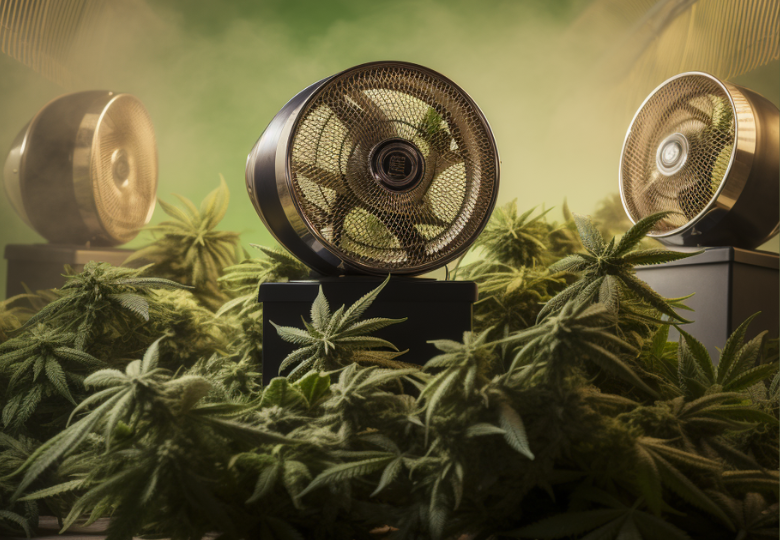



For collectors of cannabis seeds, it is important to understand how environmental factors can influence the genetic properties of their collection. Fresh air plays a crucial role in preserving the genetic quality and aromatic profile of collectible seeds. In this article, we examine why adequate air quality is so important for understanding cannabis plant genetics and how it can affect the characteristics of your collectible seeds.
Why is fresh air important for cannabis plant genetics?
The genetic characteristics of cannabis seeds are determined by complex biological processes that depend on optimal conditions. When we study the theoretical growth characteristics of different varieties, it is important to understand how air quality influences these traits:
- Photosynthesis properties: Different genetic lines have unique abilities for light processing and CO2 conversion, which are directly related to their potential terpene production
- Development of the aroma profile: The genetic predisposition for specific terpenes and flavonoids can only fully unfold under optimal air quality
- Cannabinoid synthesis: The genetic capacity for THC, CBD, and other cannabinoids depends on an adequate oxygen supply during theoretical growth processes
- Resistance genes: Many cannabis varieties contain natural resistance traits that are only activated under the right atmospheric conditions
For collectors of cannabis seeds, this knowledge is crucial for understanding the potential characteristics of their genetic material. Each variety in your collection has specific air quality requirements that determine its characteristic traits.
Optimal conditions for cannabis plant genetics
Different genetic lines have specific air quality requirements. Understanding these characteristics helps collectors better assess the theoretical potential of their seeds:
Humidity profiles by genetic family
- Indica-dominant genetics: These lines are often adapted to lower humidity (40-50%) and show better resistance to mold formation
- Sativa-dominant varieties: Generally prefer moderate humidity (50-60%) due to their origin from tropical climates
- Hybrid genetics: Combine traits from both parent lines and often show adaptability to different air quality levels
Temperature profiles and genetic expression
The genetic expression of cannabinoids and terpenes is strongly influenced by temperature fluctuations:
- Daytime temperatures: Ideal between 22-28°C for optimal metabolic activity
- Nighttime temperatures: 16-21°C promotes the development of specific terpene profiles
- Temperature differences: Controlled fluctuations stimulate the production of anthocyanins in certain genetic lines
This knowledge is valuable for collectors of cannabis seeds who wish to understand the potential characteristics of their genetic material.
Problems caused by inadequate air quality
Poor air quality can significantly limit the genetic potential of cannabis varieties. For collectors, it is important to understand these theoretical limitations:
Effects on cannabinoid profiles
- Reduced THC synthesis: Insufficient oxygen can disrupt the enzymatic processes responsible for cannabinoid production
- CBD degradation: Poor air quality can lead to oxidation of cannabinoids, reducing their therapeutic potential
- Terpene loss: Inadequate ventilation can lead to the loss of volatile terpenes that determine the aromatic profile
Genetic stress responses
Different cannabis genotypes react differently to air quality issues:
- Autoflowering genetics: Often show increased sensitivity to CO2 buildup due to their rapid life cycle
- Landrace varieties: Can cope better with suboptimal conditions thanks to their natural robustness
- Modern hybrids: Are often optimized for specific conditions and may react more sensitively to air quality fluctuations
Recognizing air quality problems
For genetic analysis, it is important to recognize how air quality issues may manifest:
Signs on the plant
- Leaf discoloration: Indica-dominant lines often show yellowed leaf edges, while sativa varieties tend to react with drooping leaves
- Growth patterns: Some varieties show slowed growth or reduced internodal spacing with insufficient fresh air
- Flowering behavior: Flower development can be impaired with inadequate air circulation
These signs help collectors better understand the needs of their plants and make optimal use of the genetic diversity of their collection. Knowledge of the theoretical relationships between air quality and genetics is an important part of the collecting passion and understanding the complexity of cannabis plants.
This knowledge helps collectors of cannabis seeds better understand the theoretical value and potential of their genetic collection. Through knowledge of the air quality requirements of different varieties, enthusiasts can more informedly assess the diversity and special characteristics of their seed collection.