


 English (English)
 Deutsch (German)
 Čeština (Czech)
 Italiano (Italian)
 Hrvatski (Croatian)
 Română (Romanian)
 български език (Bulgarian)
 Magyar (Hungarian)
 Español (Spanish)
 Français (French)
 Nederlands (Dutch)
 Polski (Polish)
 Slovenčina (Slovak)
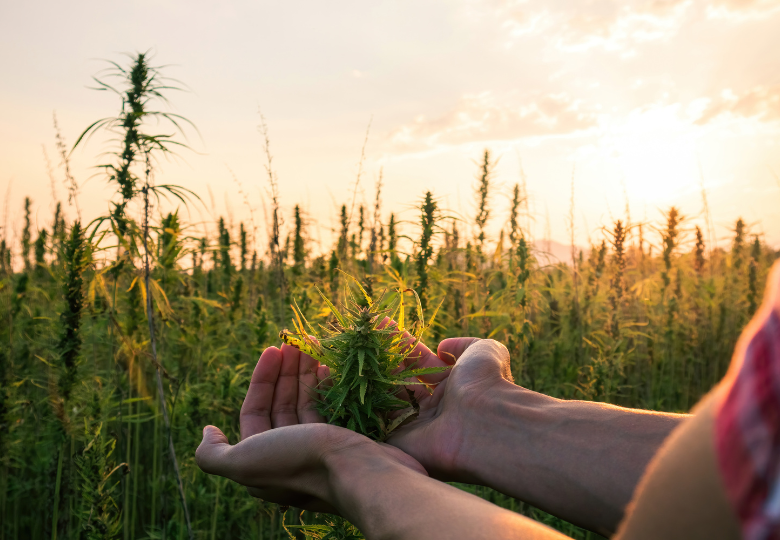



The cannabis harvest represents one of the most decisive moments in the life cycle of these fascinating genetics. Perfect timing can make the difference between genetic material of exceptional quality and merely mediocre material. For collectors of cannabis seeds, understanding these processes is essential to fully appreciate the potential of each variety in their collection.
The optimal harvest time is not simply a matter of the calendar, but an art that requires careful observation and deep knowledge of the natural signals the plant gives us. Modern genetics have been selected over decades to express specific traits in their aroma profiles and chemical composition, and only a harvest at the right time can preserve these unique qualities.
Development cycle and critical stages of cannabis
Cannabis genetics pass through various developmental stages, each of which has specific characteristics that directly affect the final quality of the plant material. Understanding these stages is fundamental for any serious collector who wants to deepen their knowledge of their varieties.
During the germination stage, collector's seeds reveal their initial genetic potential. This stage lays the foundation for all further development, as the genetic information contained in each seed begins to express itself. The quality of the collector's seeds largely determines the success of this first stage.
The vegetative stage is characterized by vigorous growth, during which the plant develops its basic structure. During this period, the genetics display their characteristic morphological traits: branching pattern, leaf shape, growth speed and natural resilience. These traits are especially valued by collectors who want to preserve particular genetic lines.
The flowering stage marks the moment when the genetics reveal their true aromatic and chemical potential. The flowers begin to develop, concentrating the terpene compounds and cannabinoids that define the unique profile of each variety. Depending on the specific genetics and environmental conditions, this stage can last between 6 and 12 weeks.
Natural indicators for determining the perfect time
The trichomes serve as the most precise indicators for determining the optimal harvest time. These tiny crystalline structures contain the highest concentration of active compounds, and observing them under magnification provides invaluable information about the state of ripeness.
When the trichomes take on a milky appearance or a translucent quality, this indicates that the plant has reached its peak production of active compounds. This coloring suggests that the genetics have fully expressed their chemical potential and offer the most intense and complex aroma profile.
The pistils, or hairs, provide another important visual indicator. Initially white and upright, these threads gradually change to amber or brown tones and curl inward toward the flower. When around 70-80% of the pistils have changed color, the plant has generally reached its optimal ripeness.
Chemical analysis by specialized laboratories can provide precise data on cannabinoid and terpene content. These analyses are especially valuable for collectors documenting the specific characteristics of their genetics and creating detailed profiles of each variety in their collection.
Harvesting techniques and preserving quality
The harvesting method directly affects the preservation of aromatic compounds and the structural integrity of the plant material. Careful handling during this critical process ensures that the genetic characteristics remain intact for future study or preservation.
Selective cutting makes it possible to harvest different parts of the plant at their respective optimal times. The upper flowers, which receive more direct light, generally ripen earlier than the lower ones. This staggered harvesting technique maximizes the quality of the material obtained from each genetic line.
Careful handling prevents the loss of trichomes and the breakdown of volatile compounds. Using sharp, clean tools, working under controlled temperature conditions, and minimizing direct contact with the flowers preserve the chemical integrity of the material.
Drying and long-term preservation processes
Controlled drying represents a critical stage that determines the final quality of the harvested material. This process must be carried out gradually in order to preserve the complex terpene profiles that distinguish each specific genetic line.
Environmental conditions during drying require precise control of temperature and humidity. Temperatures between 18-22 °C and relative humidity of 50-60% provide the ideal environment for even drying without degrading sensitive compounds. Controlled air circulation prevents the growth of microorganisms while maintaining optimal conditions.
The subsequent curing process allows the chemical compounds to stabilize and fully develop their organoleptic properties. This process can take several weeks, during which the aroma profiles refine and reach their fullest expression.
For long-term storage, airtight containers made of dark glass offer the best protection against degradation from light and oxidation. Moisture control using specialized desiccant packets maintains the ideal conditions for the long-term preservation of the genetic material.
Detailed documentation of each harvested batch, including dates, environmental conditions and observed characteristics, creates a valuable record for serious collectors who want to fully understand the behavior of their favorite genetics.