


 English (English)
 Deutsch (German)
 Čeština (Czech)
 Italiano (Italian)
 Hrvatski (Croatian)
 Română (Romanian)
 български език (Bulgarian)
 Magyar (Hungarian)
 Español (Spanish)
 Français (French)
 Nederlands (Dutch)
 Polski (Polish)
 Slovenčina (Slovak)
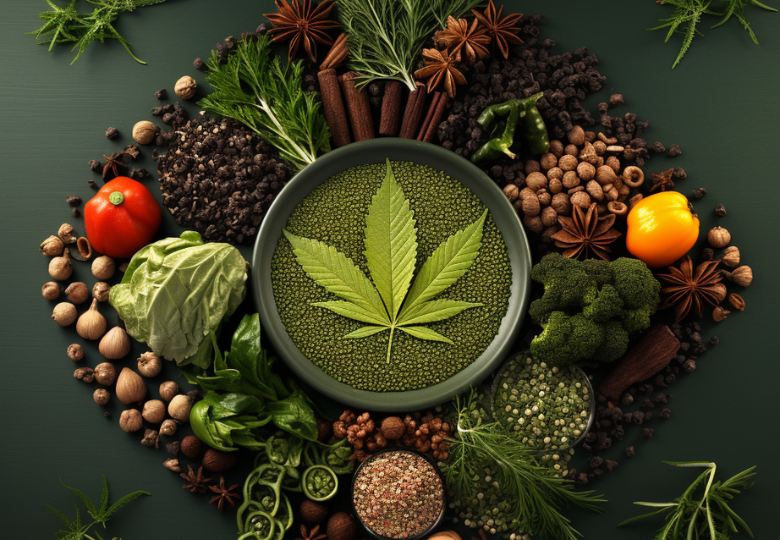

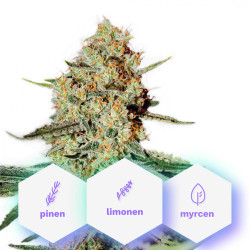
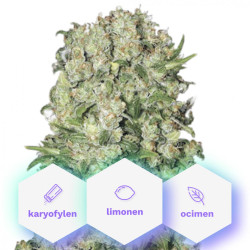
The raw cannabis leaves spark much debate regarding their status as a revolutionary superfood or a simple fleeting trend. This controversy reflects the need to carefully examine new food phenomena. While some highlight their nutritional richness and potential benefits, others point out the lack of solid scientific evidence. How can these leaves strengthen the immune system? Why do many people have difficulties incorporating them into their diet? And can you really make delicious desserts from them? This article aims to separate fact from fiction regarding collectible seeds and their genetic properties, in order to better understand whether raw cannabis leaves truly constitute a superfood or a temporary trend.
Genetic composition and aromatic profiles of cannabis leaves
Raw cannabis leaves come from young shoots of the Cannabis sativa plant, generally from varieties with low psychoactive THC content. These collectible seeds give rise to genetics rich in nutritional compounds, including cannabinoids, vitamins, minerals, and fiber. Analysis of these genetic materials reveals complex chemical profiles that vary depending on the lineages.
The historical origins of using cannabis leaves date back millennia, when they were valued for their potential nutritional properties. Cannabis is a plant with a long tradition in various cultures, recognized for its therapeutic and nutritional properties. Currently, raw cannabis leaves fit into a trend focused on healthy eating and balanced lifestyles. Their richness in nutrients and potential benefits attract the attention of those seeking alternatives to optimize their well-being.
Analysis of bioactive compounds and cannabinoids
Raw cannabis leaves are considered a potential superfood due to their exceptional nutritional values and versatile health effects. This claim is based on the following arguments:
Nutritional values and nutrient composition
Raw cannabis leaves are a remarkable source of nutrients and nutritive substances. They contain:
- Vitamins: cannabis leaves are rich in various vitamins, including the B group vitamins (B1, B2, B3, B6), essential for energy metabolism, the nervous system, and the skin. They also contain vitamins A, C and E, which act as antioxidants and contribute to eye, skin, and immune health.
- Minerals: raw cannabis leaves are a source of minerals including calcium, iron, magnesium, potassium, and phosphorus. These minerals play a crucial role in bone, muscle, nervous system, and blood pressure health.
- Proteins: cannabis leaves contain all essential amino acids, which is rare among plant sources. This makes them a potential source of quality protein, particularly suitable for vegetarians and vegans.
- Omega-3 fatty acids: cannabis leaves contain omega-3 fatty acids, beneficial for proper heart and brain function.
- Cannabinoids: cannabis leaves contain different types of cannabinoids, including CBD, which may have potential positive effects on human health.
Potential therapeutic properties
Raw cannabis leaves are associated with several potential health benefits arising from their content of various nutrients. Here are the potential health benefits related to the consumption of raw cannabis leaves:
- Antioxidants and protection against free radicals: the antioxidants contained help protect the body against damage caused by free radicals. This can reduce the risk of cellular deterioration and the development of various chronic diseases, including heart conditions and cancer.
- Skin health: vitamins A and E present in cannabis leaves can contribute to skin health, its hydration and protection against external aggressions.
- Immune system support: the vitamin C content and other nutrients can strengthen the immune system and increase resistance to infections.
- Anti-inflammatory effects: certain substances in raw cannabis leaves, including cannabinoids, have the potential to act in an anti-inflammatory manner and may help soothe inflammatory conditions.
- Relaxation and anxiety reduction: certain cannabinoids, such as CBD, are associated with the ability to reduce anxiety and tension.
Critical perspective: passing fad or nutritional innovation?
Despite the promising properties attributed to raw cannabis leaves, a critical and balanced approach should be adopted. Several factors suggest this may be more of a temporary trend than a lasting nutritional revolution.
Fiber content and other beneficial substances
Raw cannabis leaves are a rich source of fiber and also contain other beneficial substances. Here are the important components that can positively influence health:
- Fiber: cannabis leaves are a significant source of fiber, important for the health of the digestive tract. Fiber contributes to proper digestion, reduces the risk of constipation, and participates in overall gut health.
- Prebiotics: certain substances in cannabis leaves can act as prebiotics, promoting the growth of beneficial bacteria in the gut. This has a positive impact on the gut microbiome and the immune system.
- Phytocannabinoids: cannabis leaves contain different types of phytocannabinoids, including CBD. These substances have potential health effects, including a possible reduction of anxiety and pain.
It is important to note that these leaves come from collectible seeds intended for preserving the genetic heritage of cannabis. The study of these aromatic and genetic profiles allows for a better understanding of the diversity of bioactive compounds present in different varieties, thereby contributing to the advancement of botanical and phytochemical knowledge of this fascinating plant.