


 English (English)
 Deutsch (German)
 Čeština (Czech)
 Italiano (Italian)
 Hrvatski (Croatian)
 Română (Romanian)
 български език (Bulgarian)
 Magyar (Hungarian)
 Español (Spanish)
 Français (French)
 Nederlands (Dutch)
 Polski (Polish)
 Slovenčina (Slovak)
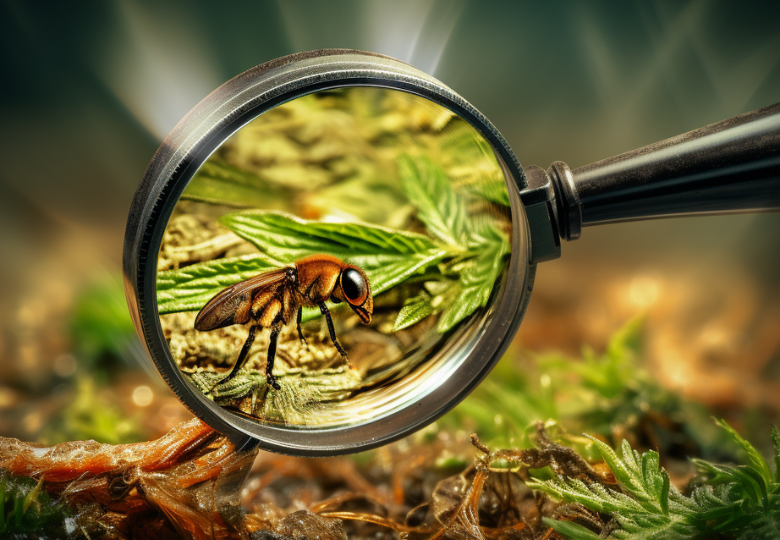



Protecting cannabis genetic material from pests is a fundamental aspect of preserving the integrity of these valuable collectible genetics. Pests can seriously compromise the quality of the plant material and negatively affect the development of these unique plants. In this article, we will explore effective strategies that collectors can implement to protect their specimens. Which are the most common pests that affect cannabis, and what damage do they cause? Is it true that planting mint can deter certain insects? Why is it beneficial to rotate plants regularly? Thanks to these practical tips, you can protect your cannabis genetics against insect threats and thus ensure the quality of the material.
Most Common Cannabis Pests and Their Identification
Harmful insects can cause significant damage to cannabis plants, which can negatively affect the quality of the genetic material and overall growth. The key to effective control and prevention lies in the early identification of these pests.
The most common pests that affect cannabis include:
- Spider mites: tiny arachnids of reddish or greenish color that feed on plant sap and cause yellowing and wilting of the leaves.
- Aphids: small insects that feed on the plants and transmit various viruses. They can leave a sticky coating on the foliage.
- Caterpillars: larvae of moths and butterflies that eat leaves and flowers. They cause holes in the leaves and other damage.
- Thrips: jumping insects with piercing-sucking mouthparts that suck out sap and can cause yellowing and leaf deformation.
Signs of a pest infestation:
- Yellowing and wilting of the foliage: affected plants may show yellow, brown, or twisted leaves.
- Weakness and slow growth: plants affected by pests may grow more slowly and show signs of decline.
- Holes and damaged flower clusters: certain insects leave characteristic feeding marks on leaves or flower clusters.
- Sticky substance: the presence of aphids can cause the plants to be covered in a sticky film.
Ecological Methods to Protect Cannabis Genetics
Protecting cannabis from insects can be effective and environmentally friendly at the same time. Ecological methods emphasize the use of natural processes and biodiversity to maintain the balance between plants and insects.
- Use of natural enemies: introducing natural predators such as beneficial spiders and beetles that feed on the pests. For example, ladybugs can significantly reduce aphid populations.
- Growing repellent plants: certain plant species can produce aromas or chemical compounds that repel insects. Peppermint can deter certain types of aphids.
- Promoting biodiversity for a sustainable balance: maintaining a diverse environment by growing plants of different species can attract natural enemies of the pests.
Physical Barriers and Protection Systems
Physical barriers and protective measures represent an effective method to restrict the access of insects to cannabis plants, thus minimizing damage to the plant material.
- Erecting fences: fencing off the growing area with a solid fence can physically separate the cannabis from the surrounding environment and wild animals.
- Protective nets: using robust nets that prevent the access of most insect species can protect the plants from infestation.
- Setting up traps: placing sticky traps and adhesive tapes near the plants can capture various types of pests.
Organic Preparations for Protecting Cannabis
Ecological products represent an environmentally friendly way to protect cannabis plants from insects. These natural methods reduce the risk of damage to the environment and human health and effectively control pests.
- Use of organic insecticides: these are preparations used to protect plants from pests. If you are considering protecting cannabis from insects, there are various ecological insecticides, for example neem oil, which has repellent and insecticidal effects. It helps eliminate pests such as aphids.
- Preparation of decoctions and herbal solutions: decoctions made from garlic or onions can act as repellents against certain insects.
- Use of natural repellents: planting aromatic herbs such as mint, lavender, or rosemary near the cannabis plants can deter pests. You can also scatter citrus peels around the plants, as many insect species completely detest the citrus scent.
Preventive Strategies Against Cannabis Pests
Prevention is crucial to reduce the risk of pest infestation and maintain healthy plants.
- Regular crop rotation: moving cannabis annually to different locations makes it harder for pests to find and infest the plants.
- Maintaining hygienic conditions in the soil and growing area: regularly removing weeds and debris can limit the availability of hiding places for insects and reduce the risk of infestation.
- Regular inspection of plants: frequently examining the plants makes it possible to detect early signs of pests and act before the situation worsens.
- Control of environmental conditions: maintaining appropriate humidity and ventilation levels can create an environment less favorable for pest development.
Effectively protecting cannabis genetic material requires a holistic approach that combines several strategies. Ecological methods not only preserve the quality of the collectible genetics but also contribute to maintaining a balanced ecosystem. Implementing these preventive and corrective techniques ensures that collectors can enjoy healthy and well-preserved specimens for their study and conservation.