


 English (English)
 Deutsch (German)
 Čeština (Czech)
 Italiano (Italian)
 Hrvatski (Croatian)
 Română (Romanian)
 български език (Bulgarian)
 Magyar (Hungarian)
 Español (Spanish)
 Français (French)
 Nederlands (Dutch)
 Polski (Polish)
 Slovenčina (Slovak)
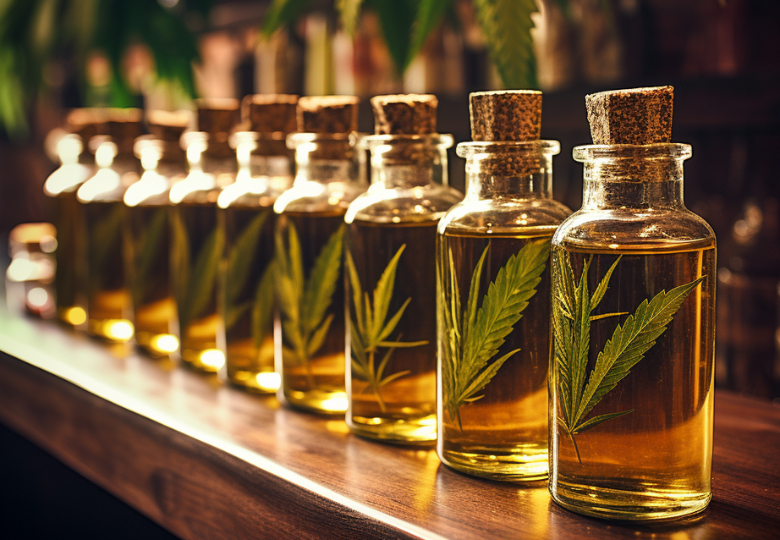



Understanding CBD Oil and Its Properties
CBD oil represents a natural extract derived from the hemp plant, rich in cannabidiol, one of the many cannabinoid compounds present in this remarkable plant. This active substance interacts with the endocannabinoid system naturally present in the human body, creating a unique therapeutic profile. The properties of this oil depend greatly on its composition of terpenes and cannabinoids, which can degrade if storage conditions are not optimal.
The molecular stability of CBD oil is influenced by several environmental factors. Cannabinoids are sensitive molecules that can lose their structural integrity under certain conditions. This is why understanding degradation mechanisms becomes essential for any CBD product enthusiast wishing to maximize the longevity of their investments.
The Fundamental Principles of Optimal Storage
Proper CBD oil storage relies on four essential pillars: protection against light, temperature control, limiting oxygen exposure, and choosing the right container. Each of these elements plays a crucial role in preserving the organoleptic properties and effectiveness of the product.
Selecting the Ideal Container
The choice of storage container constitutes the first line of defense against degradation. Tinted glass containers offer superior protection compared to transparent alternatives. Amber or cobalt glass effectively filters harmful UV rays while maintaining an inert barrier between the product and the external environment.
- Tinted glass bottles: Prefer amber or green tints that block 99% of UV rays
- Airtight closure: Opt for screw caps or leak-proof droppers
- Appropriate volume: Choose containers of suitable size to minimize air space
Controlling Thermal Conditions
Storage temperature directly influences the chemical stability of CBD oil. Significant temperature fluctuations can cause component separation or accelerate oxidation processes. The optimal range is between 15°C and 21°C, in a stable environment without sudden variations.
Areas to absolutely avoid include sunny windowsills, cabinets above heating appliances, and vehicles exposed to climate variations. Thermal consistency takes precedence over exact temperature, as repeated thermal shocks damage sensitive molecules more quickly.
Protection Against Degradation Agents
Defense Against Light Radiation
Ultraviolet rays represent one of the main enemies of CBD stability. These energetic radiations cause photochemical reactions that break the molecular bonds of cannabinoids and terpenes. The result is a progressive decrease in active concentration and the appearance of degradation compounds with an unpleasant taste.
For optimal protection, store your bottles in closed cabinets, opaque drawers, or specialized storage boxes. If you need to handle the product frequently, consider acquiring a storage case with UV-resistant lining.
Controlling Oxygen Exposure
Oxidation is a natural but harmful process for CBD oil. Upon contact with air, active molecules undergo irreversible chemical transformations that alter their beneficial properties. This phenomenon accelerates in the presence of light and heat, creating a destructive synergistic effect.
- Minimize openings: Limit the frequency of opening the bottle
- Close immediately: Never leave the container open unattended
- Use preservation techniques: Consider inert sprays for large volumes
Advanced Storage Strategies
Optimizing the Storage Environment
The storage location must meet specific criteria to ensure optimal preservation. Temperature-controlled cellars, interior closets, and dedicated cabinets are wise choices. Absolutely avoid bathrooms, kitchens, and other areas prone to humidity variations and temperature fluctuations.
The ideal relative humidity is between 45% and 65%. A rate that is too high promotes mold development, while overly dry air can affect the texture and consistency of the product. Desiccant packets can prove useful in particularly humid environments.
Long-Term Storage Techniques
For extended preservation, certain advanced methods can significantly prolong the shelf life of your CBD oils. Controlled refrigeration, between 2°C and 8°C, considerably slows down all degradation processes. However, be careful of condensation when returning to room temperature.
Dividing into small quantities represents an effective strategy for large volumes. By splitting your stock into usable portions, you limit the repeated exposure of the entire product to external conditions. This approach preserves the freshness of unopened portions.
Signs of Degradation and Best Practices
Recognizing deterioration indicators allows you to evaluate the effectiveness of your storage methods. A color change toward darker shades, the appearance of rancid odors, or a modification in viscosity signal advanced degradation. The formation of crystals or precipitates also indicates preservation problems.
Daily best practices include using clean utensils for extraction, avoiding cross-contamination, and keeping a record of opening dates. These simple but crucial habits significantly contribute to maintaining the quality of your CBD products over the long term.
By applying these preservation principles, you will optimize not only the shelf life of your CBD oils, but you will also preserve their natural therapeutic properties for an optimal user experience.