


 English (English)
 Deutsch (German)
 Čeština (Czech)
 Italiano (Italian)
 Hrvatski (Croatian)
 Română (Romanian)
 български език (Bulgarian)
 Magyar (Hungarian)
 Español (Spanish)
 Français (French)
 Nederlands (Dutch)
 Polski (Polish)
 Slovenčina (Slovak)


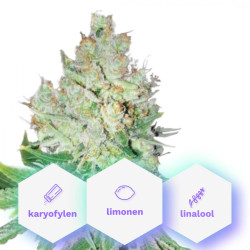

The relationship between cannabis genetic material and testosterone levels is one of the most controversial research topics in modern biological science. This fascinating subject draws the attention of researchers studying the complex chemical profiles of this remarkable plant and their impact on the male endocrine system.
Collectible cannabis seeds contain genetic information that codes for a wide range of cannabinoids and terpenes, each with its own distinct molecular characteristics. These chemical compounds, once synthesized by the plant, display aromatic profiles and biochemical properties that have captivated the scientific community for decades.
Testosterone: The Fundamental Hormone of the Male Reproductive System
Testosterone is an essential steroid hormone, classified as an androgen, that plays a crucial role in the development and maintenance of male characteristics. This bioactive compound orchestrates a series of fundamental physiological processes, including muscle development, bone density, fat tissue distribution and reproductive functions.
The testosterone regulation system operates through a complex feedback network between the hypothalamus, pituitary gland and gonads. This sophisticated hormonal axis maintains hormonal balance through precise control mechanisms, which can be influenced by various external and internal factors.
Fluctuations in testosterone concentrations can have significant implications for overall health, affecting energy, mood, metabolism and cognitive functions. For this reason, understanding the factors that can modulate these hormone levels is a priority in contemporary medical research.
The Chemical Profile of Cannabis Genetic Material
Cannabis genetics code for an impressive matrix of bioactive compounds, each contributing to the unique aromatic and chemical profile of every variety. The main categories of molecules include:
- Tetrahydrocannabinol (THC): The main psychoactive constituent, known for its ability to interact with cannabinoid receptors in the central nervous system
- Cannabidiol (CBD): A non-psychoactive cannabinoid, recognized for its potential therapeutic properties and favorable safety profile
- Cannabinol (CBN): A THC metabolite, characterized by mild sedative effects and distinctive aromas
- Cannabigerol (CBG): Considered the precursor of other cannabinoids, presenting unique properties within the cannabinoid spectrum
- Terpenes: Aromatic compounds responsible for the complex olfactory profiles of different varieties
This extraordinary chemical diversity makes the study of cannabis genetics extremely complex and fascinating for researchers specializing in phytochemistry and molecular biology.
Scientific Research on the Cannabinoid-Testosterone Interaction
The international scientific community has dedicated considerable resources to studying the potential interactions between the bioactive compounds in cannabis and the male hormonal system. These rigorous investigations have generated a rich body of research literature, though often with contradictory results.
Epidemiological and clinical studies have identified several important aspects that deserve special attention:
- Individual variability: Responses to cannabinoid compounds differ significantly between individuals, influenced by genetic, metabolic and lifestyle factors
- Doses and duration of exposure: The concentrations and frequency of cannabinoid exposure appear to influence the magnitude of the observed effects on hormone levels
- Mechanisms of action: Interaction with the endocannabinoid system may modulate hormonal cascades through complex biochemical pathways
- Confounding factors: Lifestyle, diet and other environmental factors can influence the results of observational studies
Example of a Representative Study
A notable study published in the journal Andrology investigated the relationship between cannabinoid exposure and hormone levels in a group of 46 male subjects. The study compared the hormonal profiles of participants with different degrees of exposure to cannabis compounds.
The results indicated that subjects with regular exposure to cannabinoids showed detectable changes in testosterone levels compared to the control group. The researchers also observed alterations in endogenous endocannabinoid concentrations, suggesting a complex interaction with the natural endocannabinoid system.
However, the study's authors emphasized the need for further investigations on larger samples to confirm and expand on these preliminary observations.
Potential Mechanisms of Hormonal Interaction
Understanding how compounds in cannabis genetic material can influence male hormonal balance requires a detailed analysis of the biological systems involved:
The Endocannabinoid System and Hormonal Regulation
The human body possesses a sophisticated endocannabinoid system, made up of specialized receptors (CB1 and CB2), endogenous ligands and metabolic enzymes. This system plays a crucial role in modulating fundamental physiological functions, including:
- Regulation of appetite and metabolism
- Management of the stress response
- Modulation of reproductive functions
- Control of circadian cycles
Cannabinoids from the plant can interact with this natural system, potentially influencing the hormonal cascades that regulate testosterone production.
Impact on the Hypothalamic-Pituitary-Gonadal Axis
The hypothalamic-pituitary-gonadal axis is the central control system for the production of sex hormones. Cannabinoids can affect this axis through several mechanisms:
- Hypothalamic modulation: Alteration of the synthesis and release of GnRH (gonadotropin-releasing hormone)
- Pituitary influence: Changes in the production of LH (luteinizing hormone) and FSH (follicle-stimulating hormone)
- Direct gonadal effects: The potential impact on testicular function and testosterone production
Considerations for Seed Collectors
For enthusiasts and collectors interested in studying cannabis genetic diversity, understanding these scientific aspects offers a valuable perspective on the biological complexity of this remarkable plant.
Collecting collectible seeds allows for the preservation and study of diverse genetic material, contributing to a better understanding of variability in cannabinoid and terpene profiles. This genetic diversity is a valuable resource for future scientific research.
Analysis of the chemical profiles of different varieties can offer insights into the structure-activity relationships of bioactive compounds and their potential biological implications.
Future Research Perspectives
The field of cannabinoid-testosterone research continues to evolve rapidly, with new methodologies and technologies that promise to clarify aspects of this complex relationship that remain unclear.
Future research directions include:
- Long-term longitudinal studies to evaluate chronic effects
- Investigations into individual genetic variability in response to cannabinoids
- Detailed analysis of the interactions between different cannabinoids and their metabolites
- Development of biomarkers for monitoring hormonal effects
This research will contribute to a more complete and nuanced understanding of how the compounds in cannabis interact with human biological systems, offering valuable insights for the scientific community and for collectors passionate about the genetic diversity of this fascinating plant.