


 English (English)
 Deutsch (German)
 Čeština (Czech)
 Italiano (Italian)
 Hrvatski (Croatian)
 Română (Romanian)
 български език (Bulgarian)
 Magyar (Hungarian)
 Español (Spanish)
 Français (French)
 Nederlands (Dutch)
 Polski (Polish)
 Slovenčina (Slovak)
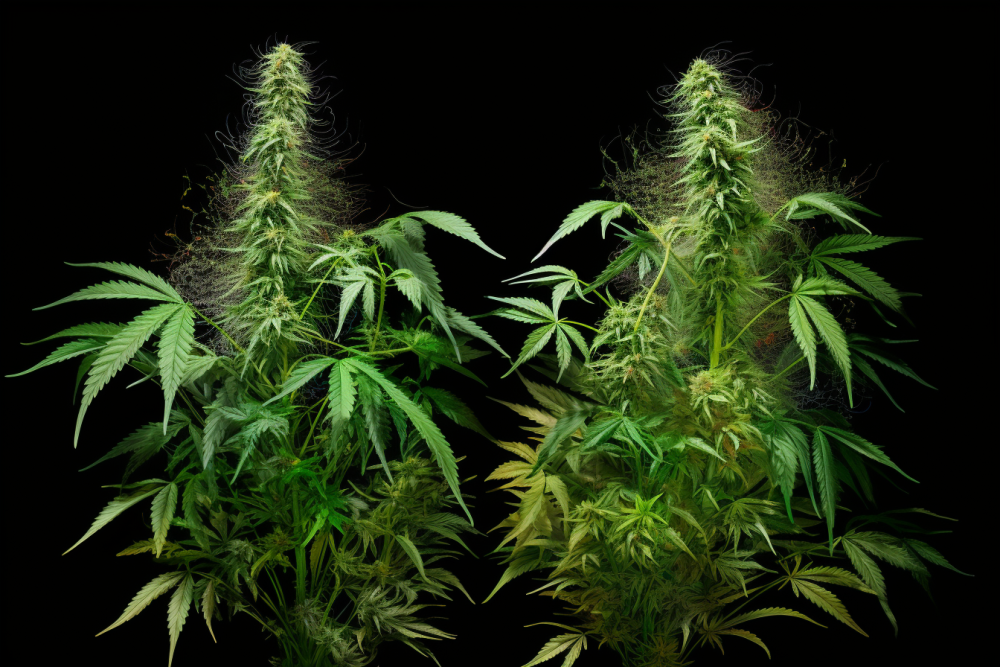
Extraordinary Genetic Variations in Cannabis: Tetraploidy and Triploidy
The world of cannabis genetics hides fascinating chromosomal anomalies that radically transform the chemical profile and morphological traits of plants. Tetraploidy and triploidy are rare genetic variations that fundamentally alter cellular structure and can significantly influence the cannabinoid and terpene composition of these exceptional collector's seeds.
These unconventional chromosomal variants arise through complex genetic processes and offer unique insight into the genetic diversity of the Cannabis sativa species. The modified genetic material can display distinct aromatic properties and cannabinoid profiles that differ substantially from standard diploid varieties.
Genetic Fundamentals of Polyploidy in Cannabis
Normally, cannabis plants possess two sets of chromosomes (diploidy), which form the basis of genetic stability and sexual reproduction. This standard chromosomal configuration ensures an optimal balance between gene expression and normal plant development.
Tetraploid varieties are characterized by the presence of four sets of chromosomes, while triploid forms contain three complete sets of chromosomes. These unusual genetic configurations can arise through several biological mechanisms:
- Chromosomal segregation defects: errors during meiosis can produce gametes with an incorrect number of chromosomes
- Spontaneous polyploidization: the fusion of abnormal gametes can result in zygotes with altered ploidy
- External mutagenic influences: exposure to chemical agents or radiation can induce chromosomal alterations
- Cell division anomalies: disruptions in the cell cycle can generate multinucleated cells with extra chromosomes
Biochemical Implications of Polyploidy
Changes in chromosome number directly affect cannabinoid and terpene biosynthesis, influencing the aromatic profile and chemical properties of these specialized collector's seeds. The genes responsible for producing biosynthetic enzymes exist in multiple copies, altering the plant's metabolic balance.
Characteristics of Tetraploid Varieties
Tetraploid genetics feature four copies of each gene, creating a cellular environment with double chromosomal density. This configuration profoundly influences cellular architecture and can significantly alter the profile of secondary metabolites.
Genetic Advantages of Tetraploidy
Increased resistance to stress factors is one of the notable characteristics of tetraploid varieties. Genetic redundancy provides protection against environmental fluctuations and can mitigate the impact of deleterious mutations on plant function.
Enhanced biosynthesis of metabolites is another remarkable aspect of these genetic varieties. Multiplying enzymatic genes can result in improved concentrations of cannabinoids and terpenes, offering more complex and intense aromatic profiles.
Superior genetic adaptability allows these varieties to respond more efficiently to environmental changes, showing improved phenotypic plasticity compared to standard diploid forms.
Limitations of Tetraploid Varieties
Increased cell size and intensified metabolic demands can create challenges for optimal plant development. These varieties often require additional resources to sustain complex cellular processes.
Variable productivity is an unpredictable characteristic of tetraploid forms, with some genetic lines showing reduced yields compared to conventional varieties.
Difficulties in hybridizing with diploid varieties can limit breeding options and complicate the development of new lines with desired characteristics.
Distinctive Properties of Triploid Varieties
The triploid chromosomal configuration generates fundamental genetic imbalances that profoundly influence reproductive biology and plant development. This unconventional genetic architecture can produce phenotypes with unique characteristics and distinctive chemical profiles.
Genetic Benefits of Triploidy
Partial or complete sterility in triploid varieties is a valuable trait for collectors who want to avoid accidental pollination and uncontrolled seed production. This property helps maintain genetic purity in specialized collections.
Modified chemical profiles of triploid varieties can show reduced THC concentrations and altered cannabinoid distributions, offering options for studying the species' chemical diversity.
The potential for developing varieties with unique properties makes triploidy a valuable tool for expanding the genetic diversity available to specialized collectors. These varieties can display distinctive terpene profiles and unusual combinations of secondary metabolites.
Challenges Associated with Triploidy
The inherent genetic instability of triploid varieties can generate unpredictable phenotypic variability and affect the consistency of traits over time.
Poor reproductive performance and problems in forming viable gametes can limit options for multiplying and preserving these rare genetic lines.
Changes in growth and development patterns can result in unconventional plant architectures that require specialized approaches for the optimal preservation of genetic material.
Importance for Specialized Seed Collectors
These extraordinary chromosomal variations represent valuable components of cannabis genetic diversity and offer unique insight into the species' genomic plasticity. For collectors passionate about unconventional genetics, polyploid varieties are rare specimens that illustrate the complexity and adaptability of the cannabis genome.
Preserving these unique genetic variants helps maintain the species' genomic richness and provides genetic resources for future research in molecular biology and cannabinoid diversity.