


 English (English)
 Deutsch (German)
 Čeština (Czech)
 Italiano (Italian)
 Hrvatski (Croatian)
 Română (Romanian)
 български език (Bulgarian)
 Magyar (Hungarian)
 Español (Spanish)
 Français (French)
 Nederlands (Dutch)
 Polski (Polish)
 Slovenčina (Slovak)
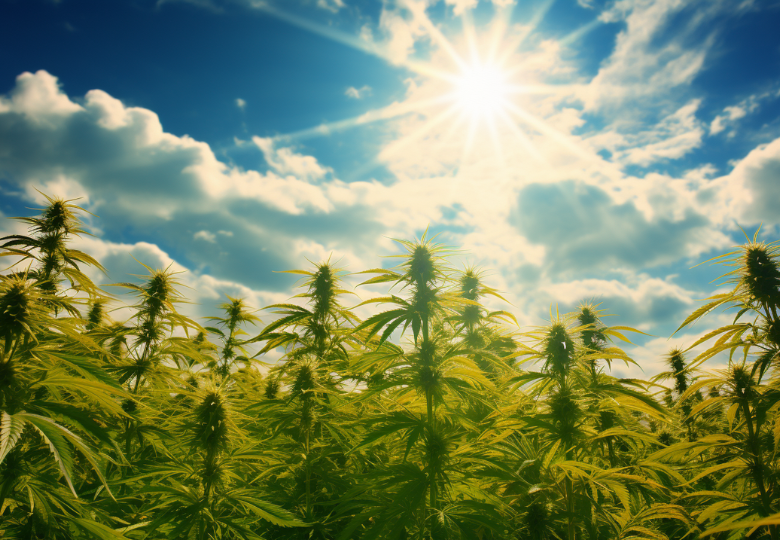



Sunlight as a Key Factor in the Development of Cannabis Genetic Potential
Cannabis, a plant with a rich history stretching back thousands of years, offers a fascinating case study in how sunlight shapes the genetic characteristics of different varieties. For collectors of cannabis seeds, understanding the role natural light plays in the development of aromatic profiles and cannabinoid characteristics is fundamental to assessing the quality of genetic material. Outdoor cannabis varieties have developed over centuries of adapting to different climate conditions, resulting in unique terpene profiles and specific traits that make each genetic line special for collecting.
Natural sunlight isn't just an energy source, it's the main driver that determines how a given variety's genetic code will be expressed through its chemical components. Collector's seeds derived from outdoor varieties often show more complex aromatics and a richer spectrum of secondary metabolites compared to those grown under artificial conditions.
Photosynthesis and Cannabinoid Development in Genetic Material
Photosynthesis is the foundation for understanding how the characteristic traits that make each cannabis variety unique come to be. This biological process, in which chlorophyll in the leaves absorbs sunlight energy, directly influences the production of primary and secondary metabolites that define the aromatic profile and chemical composition of the genetics.
During the photosynthetic process, plants convert carbon dioxide and water into glucose using solar energy. This produced energy is then directed toward the synthesis of terpenes, flavonoids, and cannabinoids, the compounds that give each variety its recognizable characteristics. The intensity and quality of sunlight directly affects the concentration of these bioactive components.
The Effect of Light Spectrum on Terpene Profile
Different parts of the solar spectrum stimulate the production of specific terpenes. UV-B radiation, for example, encourages the production of protective compounds that add to the complexity of the aromatic profile. Varieties that developed in high-altitude regions often show elevated levels of myrcene, pinene, and limonene, terpenes that help them adapt to intense sunlight.
Seed collectors particularly value genetics that have developed robust terpene profiles in response to natural conditions. These varieties usually carry genes responsible for producing a wider spectrum of aromatic compounds, making them valuable for preserving genetic diversity.
Seasonal Cycles and Their Effect on Genetic Traits
The natural photoperiod, the change in day length across the seasons, has fundamentally shaped the evolution of different types of cannabis. This natural rhythm influences when and how specific genetic traits are expressed, which has a direct impact on the quality of collector's seeds.
Vegetative Phase and Energy Accumulation
During the long summer days, when 14-18 hours of daylight are available, outdoor genetics enter an intensive vegetative phase. During this period, the plant accumulates energy and develops the structural components needed for the later formation of rich cannabinoid profiles. Varieties adapted to northern climates often show the ability to make maximum use of available light, resulting in genetics known for their efficiency.
Collector's seeds produced from plants that went through optimal vegetative conditions usually inherit the genes responsible for vigor and resilience, making them especially valuable for genetic collections.
The Transition to Flowering and Seed Formation
When days shorten to roughly 12 hours of light, outdoor varieties naturally shift into the flowering phase. This period is critical for the development of the final traits that will be passed on to the next generation through the seeds. Natural conditions during flowering directly influence the stability of genetic traits and the quality of inherited characteristics.
Genetics that evolved in particular geographic areas have developed precise mechanisms for recognizing the optimal time for reproduction, resulting in high-quality seeds with well-defined genetic characteristics.
Geographic Influences on the Development of Regional Genetics
Geographic location is one of the most important factors shaping the genetic traits of outdoor cannabis varieties. Different climate zones have produced genetics with unique adaptations that are reflected in their chemical profiles and physical characteristics.
Mediterranean Genetics and Their Traits
Varieties developed in a Mediterranean climate usually show tolerance to high temperatures and intense sunlight. These genetics often carry elevated levels of certain terpenes such as caryophyllene and humulene, which provide natural protection against heat-induced stress.
Collector's seeds of Mediterranean origin are especially valued for their ability to retain their aromatic properties even under stressful conditions, making them valuable for preserving genetic diversity.
Northern Genetics and Adaptation to Short Seasons
Cannabis genetics developed in northern regions evolved to make the most of short growing seasons. These varieties often show autoflowering characteristics or an exceptionally fast transition to flowering, allowing them to complete their life cycle before unfavorable weather sets in.
Such genetics usually carry dense cannabinoid profiles that develop in a relatively short time, making them interesting to collectors seeking genetic material with unique fast-maturing traits.
Preserving Genetic Diversity Through Collecting
Understanding the influence of sunlight on the development of different genetic lines is essential for collectors who want to preserve the rich diversity of cannabis genetics. Each variety represents a unique combination of adaptations to specific light conditions and climate factors.
Quality collector's seeds preserve genetic information from thousands of years of evolution under varying conditions of sunlight. This genetic diversity represents a priceless treasure for future generations of researchers and enthusiasts studying the complex interactions between plants and their environment.
Modern science confirms that genetic diversity is essential to the sustainability and adaptability of any species. By collecting seeds from different outdoor varieties, we preserve valuable genetic information that could prove essential for future understanding and research into this fascinating plant.