


 English (English)
 Deutsch (German)
 Čeština (Czech)
 Italiano (Italian)
 Hrvatski (Croatian)
 Română (Romanian)
 български език (Bulgarian)
 Magyar (Hungarian)
 Español (Spanish)
 Français (French)
 Nederlands (Dutch)
 Polski (Polish)
 Slovenčina (Slovak)
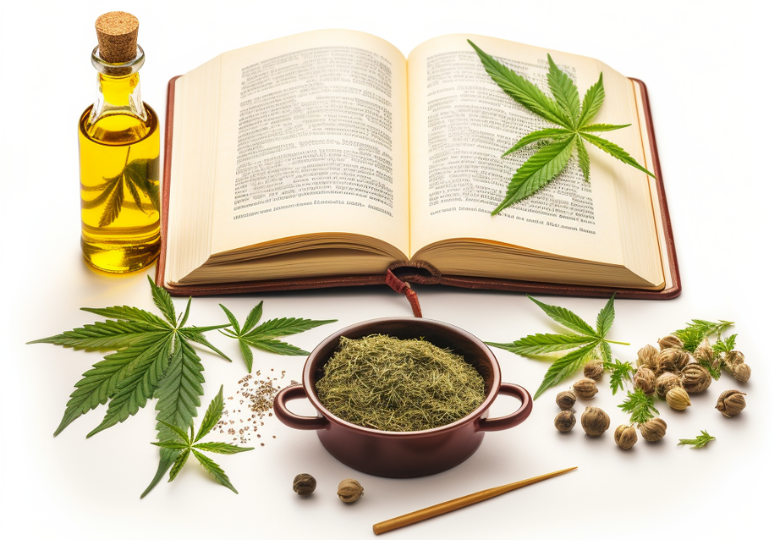



How to make CBD oil at home? In the article, you will find a simple procedure from selecting the right cannabis to basic and safe extraction methods that will help you create your own CBD oil without expensive equipment.
Understanding CBD Oil: Chemical Composition and Genetic Properties
CBD oil represents a fascinating concentrate of natural compounds extracted from specific hemp genetics. Cannabidiol (CBD) is the main non-psychoactive cannabinoid present in these extracts, unlike THC which has psychoactive properties. This particular molecule is of interest to collectors and researchers for its unique chemical profile.
Collector hemp seeds exhibit remarkable genetic variations in their cannabinoid production. Certain lineages are renowned for their high CBD concentration, others for their distinctive aromatic terpenes. This genetic diversity explains why collectors are interested in different varieties and their theoretical chemical compositions.
The theoretical properties of CBD include:
- Non-psychoactive molecular structure
- Interaction with the endocannabinoid system
- Solubility profile in carrier oils
- Thermal stability during extraction processes
Theoretical Extraction Methods and Chemical Processes
Understanding extraction methods theoretically fascinates botany and chemistry enthusiasts. Several approaches conceptually allow for isolating cannabinoids from plant material, each presenting distinct advantages from a scientific perspective.
The Decarboxylation Process: Molecular Transformation
Decarboxylation is a fundamental chemical step in the transformation of acidic precursors into active cannabinoids. This process involves the controlled application of heat (typically between 110-120°C) for a set duration, causing the release of carbon dioxide and the conversion of CBDA into CBD.
This chemical reaction proves crucial because the acidic forms naturally present in plant material have different properties than their decarboxylated counterparts. Collectors studying feminized genetics often notice these variations in cannabinoid profiles depending on the lineage.
Solvent Extraction: Theoretical Principles
Solvent extraction relies on principles of selective solubility. Ethyl alcohol, commonly used in this theoretical method, effectively dissolves cannabinoids while preserving their molecular integrity. The process involves several steps:
- Maceration of plant material in the solvent
- Filtration to remove solid residues
- Controlled evaporation of the solvent
- Dissolution in an appropriate carrier oil
Carrier oils play a crucial role in the theoretical bioavailability of cannabinoids. Olive oil, coconut oil, or hemp oil each present distinct characteristics in terms of stability and lipid profile.
Genetics Analysis and Selection of Collector Material
Choosing appropriate genetics represents a fundamental aspect for collectors interested in the theoretical production of quality extracts. Different varieties present variable cannabinoid and terpene profiles, directly influencing the characteristics of the final extract.
Selection Criteria for Collector Varieties
CBD-rich lineages generally exhibit high CBD:THC ratios, often exceeding 20:1. These particular genetics result from careful selections aimed at maximizing cannabidiol production while minimizing THC levels. Collectors appreciate these varieties for their unique chemical profile.
Aromatic terpenes constitute another determining factor in selection. These volatile compounds contribute to distinctive aromas and may theoretically influence the properties of the final extract through the purported entourage effect. The main terpenes include:
- Myrcene: earthy and musky profile
- Limonene: characteristic citrus aroma
- Pinene: pine and resin notes
- Linalool: delicate floral fragrance
Considerations on Source Material Quality
The quality of the starting plant material directly influences the characteristics of the obtained extract. Theoretical environmental factors affecting cannabinoid production include light exposure, mineral nutrition, and drying and storage conditions.
Proper drying preserves the integrity of cannabinoids and terpenes. The ideal process involves controlled temperature (typically around 18-21°C) with relative humidity of 45-55%. These conditions theoretically allow for maintaining the chemical quality of the material while preventing the degradation of sensitive compounds.
Technical Aspects and Scientific Considerations
Scientific analysis of hemp extracts reveals the complexity of molecular interactions present in these natural concentrates. Modern analytical techniques allow for precisely identifying and quantifying the different cannabinoids, terpenes, and other phytochemical compounds.
Chromatography constitutes one of the reference methods for extract analysis. This technique separates different compounds according to their physicochemical properties, allowing precise identification of constituents. Collectors interested in scientific aspects appreciate this rigorous analytical approach.
Important: In many countries, only collector seeds are legal. All information presented here constitutes educational content on the theoretical properties of hemp genetics and chemical extraction processes, within a purely academic and collector framework.