


 English (English)
 Deutsch (German)
 Čeština (Czech)
 Italiano (Italian)
 Hrvatski (Croatian)
 Română (Romanian)
 български език (Bulgarian)
 Magyar (Hungarian)
 Español (Spanish)
 Français (French)
 Nederlands (Dutch)
 Polski (Polish)
 Slovenčina (Slovak)
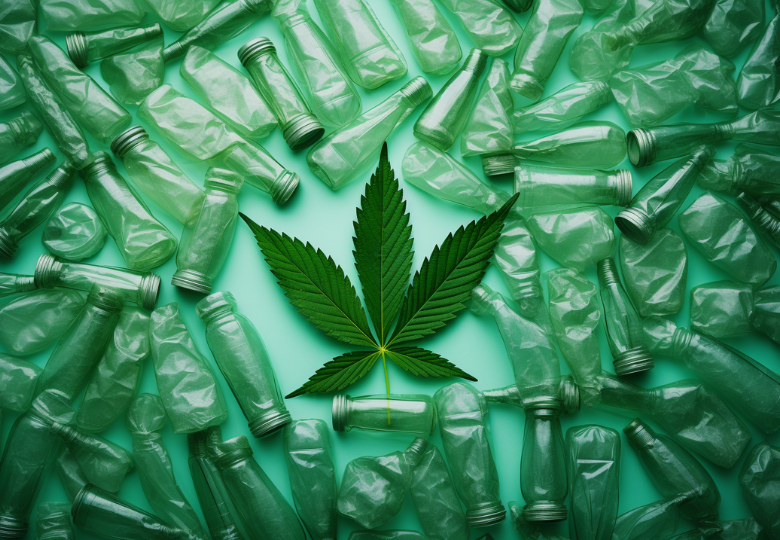



The synthetic materials industry is facing a green revolution, and industrial hemp genetics is positioning itself as an innovative source for developing sustainable bioplastics. This renewable raw material, obtained from the stems and seeds of certain industrial hemp varieties with a specialized genetic profile, opens up new perspectives in the field of biodegradable materials.
Collectors and plant genetics specialists recognize the potential of the unique aromatic profile and chemical composition of these varieties, which contain compounds such as cellulose and hemicellulose in concentrations optimal for industrial applications. These genetic characteristics make hemp a fascinating alternative to fossil-fuel-based materials, offering remarkable mechanical properties and environmental compatibility.
Genetic foundations of hemp bioplastic
Bioplastic derived from the genetic material of industrial hemp represents an innovative category of polymer materials obtained by processing the plant fibers and oil extracted from the seeds of these specialized varieties. The manufacturing process involves separating and processing the cellular components from the plant's stems, followed by combining them with natural polymers and additives to create a solid, resistant material.
This innovative approach exploits the unique biochemical profile of certain collectible varieties, known for their high cellulose content and exceptional fibrous properties. Unlike traditional plastics, these materials are fully biodegradable and break down naturally in the environment without releasing carbon dioxide into the atmosphere.
Collectors of industrial hemp seeds value these varieties not only for their genetic diversity, but also for their potential in sustainable industrial applications. The complex chemical composition of these genetics allows for materials with superior mechanical properties in certain contexts of use.
Distinctive advantages of hemp materials
Plastic materials derived from hemp genetics offer numerous advantages over their synthetic counterparts:
- Complete biodegradability: these materials break down naturally in the environment, eliminating the problems associated with long-term plastic pollution.
- Renewable sources: industrial hemp varieties regenerate quickly and require minimal amounts of pesticides or chemical fertilizers for optimal growth.
- Reduced carbon footprint: the manufacturing process generates significantly lower greenhouse gas emissions compared to producing petroleum-based plastics.
- Independence from fossil fuels: these materials do not depend on petroleum resources, reducing environmental impact and vulnerability to oil price fluctuations.
- Non-toxicity: hemp materials are completely safe for use and disposal, posing no risk to human health or ecosystems.
For the agricultural sector, growing industrial hemp varieties for bioplastic applications can represent a significant economic opportunity, diversifying growers' income sources and promoting sustainable farming practices.
Terpene profile and specialized applications
Certain collectible varieties of industrial hemp are valued for their distinctive terpene profiles, which contribute to the final properties of the plastic materials. These natural aromatic compounds not only impart unique organoleptic characteristics, but can also influence the physicochemical properties of the final product.
Limitations and development challenges
Despite their remarkable advantages, hemp-based plastic materials face certain challenges on the way to widespread adoption:
- Production costs: the main barrier to scaling up hemp bioplastics is the higher manufacturing costs compared to conventional plastics.
- Availability of raw materials: although industrial hemp can be grown sustainably in large quantities, accessibility may be limited by legal and legislative regulations in certain regions.
- Optimization of technological processes: production methods for hemp plastics are not yet fully optimized and may require specific technologies that are not widespread in the industry.
- Mechanical properties: some hemp materials may have reduced strength, flexibility or durability compared to traditional plastics, limiting their applicability in certain fields.
Innovative applications across various industries
Plastic materials derived from hemp genetics find applications in multiple industrial sectors thanks to their sustainability and versatility. Among the main areas are:
- Automotive industry: used for lightweight, resistant components, such as dashboard panels, interior upholstery and body elements that benefit from impact-absorption properties.
- Food sector: biodegradable packaging for food products, single-use containers and materials in direct contact with food, approved for food safety.
- Electronics and technology: casings for electronic devices, protective components and insulating materials that exploit natural dielectric properties.
- Construction and architecture: insulating materials, decorative panels and structural elements that offer superior thermal and acoustic properties.
This diversification of applications demonstrates the remarkable potential of hemp genetic materials in transforming industries toward more sustainable practices. Ongoing research in this field promises to reveal new properties and uses for these innovative materials, strengthening their position as viable alternatives to conventional plastics.