


 English (English)
 Deutsch (German)
 Čeština (Czech)
 Italiano (Italian)
 Hrvatski (Croatian)
 Română (Romanian)
 български език (Bulgarian)
 Magyar (Hungarian)
 Español (Spanish)
 Français (French)
 Nederlands (Dutch)
 Polski (Polish)
 Slovenčina (Slovak)
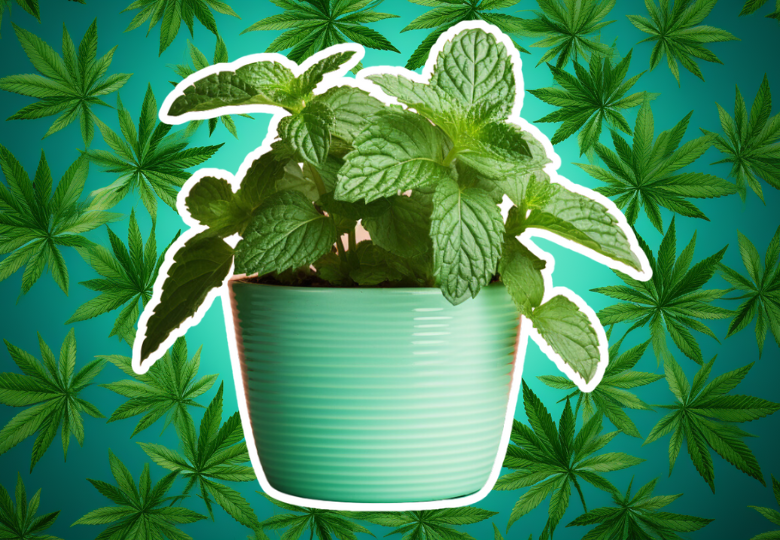



Cannabis, like many other plants, is constantly threatened by various pests, with aphids being among the most problematic. These tiny but resilient insects can cause significant damage to cannabis plants and noticeably reduce both the quality and yield of the genetics. When searching for natural methods to protect cannabis plants from these pests, basil, that highly prized aromatic culinary herb, has proven to possess extraordinary properties as a natural protector. How exactly does this protection work? Can basil really improve yields? Why should it be planted alongside cannabis? Read on to discover the secrets of this botanical alliance and learn why basil should not be missing from any garden where these valuable genetics are cultivated.
Aphids: a silent threat to cannabis genetics
Aphids rank among the most common and destructive pests that can infest cannabis plants. These microscopically small insects with soft bodies, which can appear in shades of green, black, or pink, belong to the Aphididae family and are notorious for their extraordinary reproductive capacity. Equipped with specialized, stylet-like mouthparts, these parasites attach themselves to plants and deprive them of vital sap, progressively weakening the cannabis genetics.
Devastating effects on collector genetics
- Aphids deprive cannabis plants of essential nutrients, causing slowed growth and a general weakening of the genetics.
- These parasites act as vectors of viral pathogens, spreading diseases that deform foliage, compromise genetic integrity, and in extreme cases can lead to the death of valuable specimens.
- They produce a sticky substance known as honeydew, which not only attracts other insects such as ants but also creates favorable conditions for the development of harmful fungi.
- Affected plants exhibit severe stress symptoms, including stunted growth, premature leaf drop, and an overall decline in vitality.
- Damage to flower and leaf structures can impair the quality of the genetic material, a crucial aspect for cannabis seed collectors.
- The presence of aphids and their excretions can contaminate samples and negatively affect the external appearance of collector genetics.
Basil: the perfect companion for cannabis genetics
Basil (Ocimum basilicum) is an aromatic plant with a rich cultural heritage dating back to the tropical regions of Asia and Africa. For millennia, this herb has been revered in culinary, medicinal, and ceremonial applications. In ancient Greece, it was considered sacred and associated with divine legends, while in India it has been an integral part of religious rituals and time-honored traditions. Over time, basil spread across Europe and later the entire world, establishing itself as a fundamental element in various culinary cultures and therapeutic practices.
The concept of companion planting, or intercropping, relies on the deliberate combination of different plant species that benefit each other. Basil not only offers cannabis genetics protection from pests but also helps improve the quality of the substrate and increase the biodiversity of the ecosystem. For collectors and growers of cannabis genetics, basil represents a natural and sustainable solution for maintaining the health and vitality of their valuable plants.
Protection mechanisms: how basil defends cannabis
The effectiveness of basil as a natural protector of cannabis is based on several biochemical and ecological mechanisms that form a comprehensive defensive shield against aphids and other pests.
Natural chemical defense
- Basil produces a wide range of bioactive essential oils that act as natural repellents against various pests, including aphids. These compounds, particularly eugenol, act as a chemical deterrent that disrupts the reproductive processes of pests.
- The intense aromatic profile of basil is unpleasant to aphids, creating an olfactory barrier that keeps them away from nearby cannabis plants.
- The volatile compounds of basil can mask the chemical signals emitted by cannabis plants, making it harder for aphids to locate their target plants.
- Growing basil attracts natural predators of aphids, such as ladybugs, lacewings, and parasitoid wasps, which actively feed on these pests and help control their populations biologically.
Intercropping strategies with basil
- Basil should be planted in close proximity to or between cannabis plants to maximize its protective effect and create an effective defense network.
- Regular pruning of basil leaves stimulates the growth of new shoots, keeps the plant vigorous and healthy, and increases the production of defensive essential oils.
- Both basil and cannabis require well-drained substrates, so waterlogging should be avoided to prevent issues from excessive moisture and the development of fungal pathogens.
- Both species require similar conditions for lighting, watering, and nutrient supply to develop optimally and maintain their protective effect against pests.
Additional benefits of intercropping
Improvements to substrate and microclimate
- Optimization of soil structure: The root system of basil helps loosen the substrate and improve its physical composition, which benefits the root development of cannabis.
- Improved water retention: Basil roots help preserve moisture in the substrate, reducing the frequency of watering and creating more stable conditions.
- Promotion of beneficial microorganisms: Basil growth favors the development of a diverse and healthy microflora in the substrate, fostering a more robust root ecosystem.
- Erosion control: The root system of basil can stabilize the substrate and prevent nutrient loss, especially during heavy rain.
Contribution to the yield of the genetics
- Comprehensive pest control: In addition to aphids, basil also helps repel other harmful insects, reducing the need for chemical interventions and preserving genetic purity.
- Attraction of pollinators: Basil produces small but fragrant flowers that attract beneficial insects, contributing to a balanced ecosystem that benefits the overall health of the plants.
- Reduction of environmental stress: The presence of basil can create a more favorable microclimate and offer some protection against adverse environmental conditions.
- Optimization of space: Intercropping allows for more efficient use of available space, maximizing productivity without compromising the quality of the cannabis genetics.