


 English (English)
 Deutsch (German)
 Čeština (Czech)
 Italiano (Italian)
 Hrvatski (Croatian)
 Română (Romanian)
 български език (Bulgarian)
 Magyar (Hungarian)
 Español (Spanish)
 Français (French)
 Nederlands (Dutch)
 Polski (Polish)
 Slovenčina (Slovak)


The Origins and Evolution of Two Extraordinary Oils
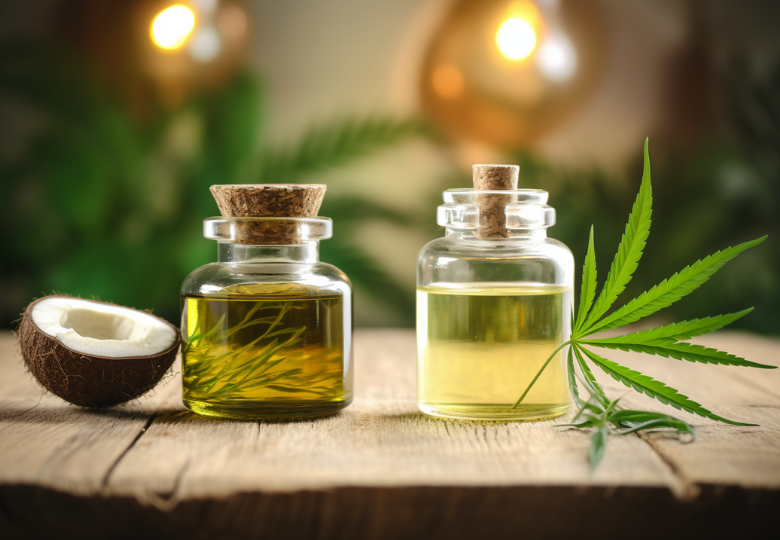
Among high-quality natural oils, hemp seed oil and coconut oil stand out as undisputed protagonists, each with a thousand-year history and unique characteristics. As more and more people look for natural alternatives for their diet and body care, these two oils offer completely different profiles that deserve a closer look.
Coconut oil has its roots in the tropical traditions of Southeast Asia and the Pacific, where for millennia it has been a pillar of diet and traditional medicine. In ancient Ayurvedic medicine, this precious extract was valued for its cooling properties and its ability to deeply nourish skin and hair.
Hemp seed oil, on the other hand, comes from the regions of Central Asia, where industrial hemp was one of the first crops developed by humankind. Besides textile production, hemp seeds were traditionally pressed to obtain an oil rich in nutritional properties, valued both in cooking and in traditional Chinese medicine for its regenerating qualities.
Chemical Composition and Nutritional Properties
Understanding the differences between these oils starts with an analysis of their unique molecular composition, which determines their respective properties and best uses.
Coconut Oil Profile
Coconut oil stands out for its exceptional concentration of medium-chain triglycerides (MCTs), which make up about 65% of its total composition. Lauric acid, which accounts for roughly 50% of its fat content, gives the oil natural antimicrobial properties that are particularly effective against pathogenic bacteria, viruses, and fungi.
This unique molecular structure gives it superior heat stability, with a high smoke point that makes it ideal for high-temperature cooking. MCTs are metabolized quickly by the liver, providing an immediate energy source that is especially popular among athletes and followers of ketogenic diets.
Characteristics of Hemp Seed Oil
The oil extracted from hemp seeds has a completely different fat profile, characterized by an optimal balance of essential omega-3 and omega-6 fatty acids in the ideal 1:3 ratio, considered perfect for human absorption.
This oil is naturally rich in vitamin E, a powerful antioxidant, along with essential minerals such as magnesium, zinc, and iron. The presence of gamma-linolenic acid (GLA) contributes to its natural anti-inflammatory properties, while its abundance of polyunsaturated fatty acids makes it particularly beneficial for the cardiovascular system.
Culinary Uses: When and How to Use Them
The choice between these two oils in the kitchen mainly depends on the cooking temperatures involved and the flavor profiles you want in your dishes.
The Versatility of Coconut Oil in the Kitchen
Thanks to its resistance to high temperatures, coconut oil excels in any preparation that requires intense heat: from frying to pan-cooking to baking. Its semi-solid consistency at room temperature makes it a natural substitute for butter in many pastry recipes.
Its distinctive tropical aroma pairs perfectly with Asian cuisine, curries, desserts, and any dish that benefits from an exotic touch. In addition, its natural antimicrobial properties can help with food preservation.
Getting the Most Out of Hemp Seed Oil
Hemp seed oil calls for a more delicate approach: its low smoke point makes it unsuitable for high-temperature cooking, but it's excellent for raw applications. It's perfect for dressing salads, finishing already-cooked soups, or as a final touch on steamed vegetables.
Its delicately nutty flavor enhances vinaigrettes, cold sauces, and smoothies, while adding a valuable dose of essential nutrients at the same time. To keep its nutritional properties intact, it's important to store it in the refrigerator and use it within a few months of opening.
Benefits for Skin and Hair Care
Both oils offer exceptional cosmetic properties, but with different mechanisms of action and results for personal care.
Coconut oil, with its rich texture and antimicrobial properties, is ideal for dry and sensitive skin. It penetrates the skin easily, providing deep hydration and natural protection. For hair, it forms a protective barrier that reduces protein loss during washing.
Hemp seed oil, lighter and non-comedogenic, is perfectly suited to all skin types, including oily and acne-prone skin. Its richness in essential fatty acids helps restore the skin's natural barrier, while its anti-inflammatory properties can soothe irritation and redness.
Final Thoughts for an Informed Choice
The decision between coconut oil and hemp seed oil shouldn't be seen as an either-or choice, but rather as an opportunity to combine both into your daily routine, taking advantage of their complementary characteristics.
Coconut oil proves irreplaceable for high-temperature cooking and intensive cosmetic treatments, while hemp seed oil excels as a natural nutritional supplement and everyday skin care product.
Quality remains the deciding factor: always choose cold-pressed, organic oils that have been stored properly to ensure maximum effectiveness and safety of use. Keep in mind that, thanks to the free movement of goods within Europe, you can easily access these high-quality natural products in your own country to enrich your natural lifestyle.