


 English (English)
 Deutsch (German)
 Čeština (Czech)
 Italiano (Italian)
 Hrvatski (Croatian)
 Română (Romanian)
 български език (Bulgarian)
 Magyar (Hungarian)
 Español (Spanish)
 Français (French)
 Nederlands (Dutch)
 Polski (Polish)
 Slovenčina (Slovak)
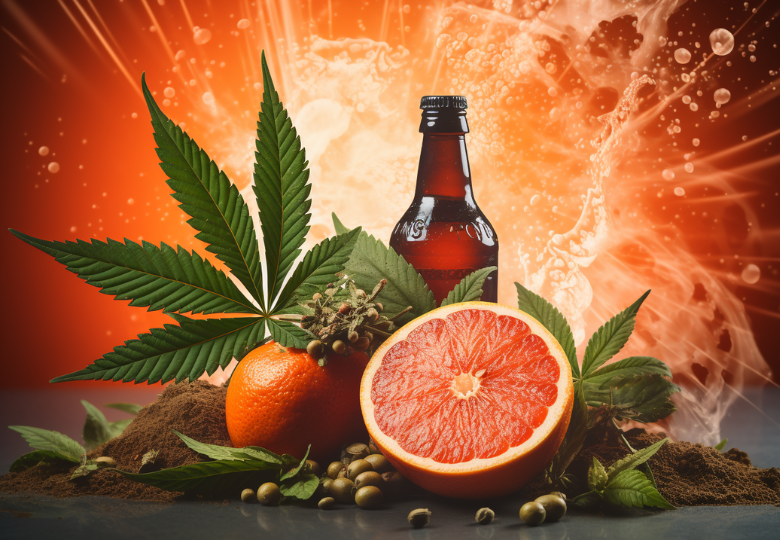



Food interactions with CBD: a guide for cannabis genetics collectors
For collectors of CBD-rich cannabis genetics, it is essential to understand how cannabidiol interacts with different foods and drinks. As one of the most important non-psychoactive cannabinoids in cannabis, CBD has unique properties that can be influenced by what we consume. This knowledge is crucial for anyone studying the genetic profiles of cannabis varieties.
CBD, or cannabidiol, represents a fascinating part of the cannabinoid spectrum that makes cannabis so special. Unlike THC, this cannabinoid has no psychoactive properties, making it an interesting subject of study for genetic researchers and seed collectors.
How cannabidiol works in biological systems
The mechanism of CBD revolves around the endocannabinoid system (ECS), a complex network of receptors that regulate various bodily functions. This system plays a crucial role in understanding why certain cannabis varieties develop specific aromatic profiles and genetic characteristics.
The action of cannabidiol involves interaction with CB1 and CB2 receptors, albeit in a more subtle way than THC. These interactions explain why some cannabis varieties are known for their relaxing profiles, while others display more energising characteristics.
Key characteristics of CBD-rich genetics
- Relaxing profiles: Many CBD-dominant varieties are known for their calming genetic characteristics
- Anti-inflammatory components: This cannabis genetics often contains compounds with anti-inflammatory properties
- Sleep-supporting terpenes: Specific terpene profiles in CBD varieties may have rest-promoting properties
- Anxiety-reducing components: Certain cannabidiol-rich varieties are known for their calming genetic composition
Foods that can affect CBD effectiveness
When studying cannabis genetics, it is important to understand which foods can alter the bioavailability of cannabidiol. This knowledge helps collectors better understand how different genetic profiles may respond within biological systems.
1. Grapefruit and citrus fruits
Grapefruit contains compounds that affect the cytochrome P450 enzyme system in the liver. This enzyme system is responsible for metabolising many cannabinoids, including CBD. When this enzyme is inhibited by grapefruit components, it can lead to increased cannabidiol concentrations in the system.
For collectors studying the genetic characteristics of CBD-rich varieties, it is interesting to know that this interaction can intensify or prolong the observed effects of different cannabis profiles.
2. Alcoholic drinks
Alcohol can strengthen the sedative properties of CBD-rich cannabis genetics. This interaction is particularly relevant for researchers studying the relaxing profiles of different cannabis varieties. The combination can lead to increased sedative effects, which is important when evaluating genetic characteristics.
In addition, alcohol increases the risk of dehydration, which can affect certain aspects of cannabidiol activity and can blur the interpretation of genetic profiles.
3. Caffeine and stimulants
Caffeine acts as a stimulant, while many CBD-rich cannabis varieties are known for their calming genetic characteristics. This contrast can lead to conflicting effects, making the unique characteristics of specific cannabis genetics less clearly noticeable.
Energy drinks, which often contain high concentrations of caffeine and other stimulants, can mask or alter the subtle aromatic and genetic profiles of CBD-dominant varieties.
4. Medicinal herbs
Various herbs can interact with cannabidiol and affect the way we experience cannabis genetics. St John's wort, for example, can affect liver enzymes in a way similar to grapefruit, thereby altering the metabolism of CBD.
For collectors interested in the full genetic profiles of their cannabis varieties, such interactions can blur the authentic characteristics of the genetics.
Optimal nutrition for cannabis genetic research
For collectors who want to experience the true characteristics of their cannabis seed collection, certain foods are beneficial for optimal cannabidiol absorption and activity.
Fat-rich foods for improved absorption
Cannabidiol is lipophilic, meaning it dissolves and is absorbed better in the presence of fats. Foods rich in healthy fats can increase the bioavailability of CBD from cannabis genetics.
- Avocados: Contain healthy monounsaturated fats that can improve CBD absorption
- Nuts and seeds: Rich in omega fatty acids that can work synergistically with cannabinoids
- Oily fish: Omega-3 fatty acids can support the effectiveness of CBD-rich genetics
- Olive oil: An excellent source of healthy fats for cannabidiol absorption
Terpene-rich foods for synergistic effects
Terpenes are aromatic compounds found in both cannabis and many foods. These compounds can work synergistically with cannabidiol, a phenomenon known as the "entourage effect".
Mangoes contain myrcene, a terpene also found in many cannabis varieties. Basil and other herbs contain various terpenes that can interact with the genetic profiles of CBD-rich varieties.
Antioxidant-rich drinks
Green tea and other antioxidant-rich drinks can support the overall effectiveness of cannabidiol without causing negative interactions. These drinks can even contribute to a better understanding of the subtle characteristics of different cannabis genetics.
Practical considerations for cannabis collectors
Understanding food interactions with CBD is essential for collectors who want to evaluate the authentic characteristics of their genetic material. By avoiding certain foods and embracing others, collectors can gain a clearer picture of the true characteristics of their cannabis varieties.
This knowledge is particularly valuable when documenting different genetic profiles, comparing aromatic characteristics between varieties, and understanding the complex chemical composition that makes each cannabis cultivar unique.