


 English (English)
 Deutsch (German)
 Čeština (Czech)
 Italiano (Italian)
 Hrvatski (Croatian)
 Română (Romanian)
 български език (Bulgarian)
 Magyar (Hungarian)
 Español (Spanish)
 Français (French)
 Nederlands (Dutch)
 Polski (Polish)
 Slovenčina (Slovak)
CBD Oil – Independent Comparison and Test 2026
The CBD oil market in 2026 comprises hundreds of products from dozens of manufacturers. Navigating the offer, distinguishing quality oil from substandard products, and understanding what you are actually buying has become increasingly challenging for the average consumer. In February 2026, moreover, the European Food Safety Authority (EFSA) established a provisional safe daily intake of CBD at just 2 mg – a decision that fundamentally rewrites the rules of the entire segment and requires consumers to approach product selection with greater awareness than ever before.
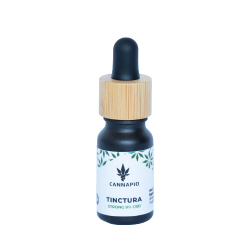
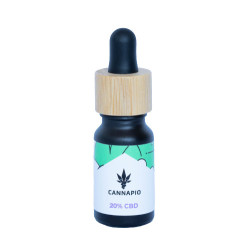
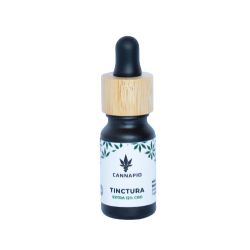
This guide will help you understand the differences between types of CBD oils, learn to read laboratory certificates, choose the right concentration, and avoid the most common pitfalls on the market. This is not advertising for a specific brand – it is information that anyone buying or considering buying CBD oil should have.
What is CBD oil and how does it work
Cannabidiol (CBD) is one of over a hundred cannabinoids naturally occurring in the hemp plant (Cannabis sativa). Unlike delta-9-tetrahydrocannabinol (THC), it has no psychoactive effects – it does not cause a feeling of "being high" or an altered state of consciousness.
CBD interacts with the human body's endocannabinoid system (ECS), which is involved in regulating sleep, mood, immune response, and pain perception. Unlike THC, CBD does not bind directly to CB1 and CB2 receptors, but modulates their activity indirectly while also influencing other receptor systems – serotonin (5-HT1A), vanilloid (TRPV1), and adenosine receptors.
In practice, CBD oil is an extract from hemp dissolved in a carrier oil. Most commonly used carrier oils are hemp oil (hempseed oil), MCT oil from medium-chain triglycerides of coconut oil, olive oil, or sunflower seed oil. The choice of carrier oil directly affects the taste, bioavailability, and shelf life of the product.
Main forms of CBD products
| Form | Typical administration | Onset of effect | Duration |
|---|---|---|---|
| CBD oil (sublingual) | Drops under tongue | 15–45 minutes | 4–6 hours |
| CBD capsules | Oral | 30–90 minutes | 6–8 hours |
| CBD topicals | Local application to skin | 15–30 minutes | 2–4 hours |
| CBD vape | Inhalation | 1–5 minutes | 1–3 hours |
Sublingual administration remains the most popular form because it offers a good balance of onset speed, duration of effect, and dosing precision. The mucous membrane under the tongue allows direct entry of CBD into the bloodstream, bypassing the first pass through the liver, which occurs with oral administration.
Types of CBD oils: full spectrum, broad spectrum, and isolate
One of the most important parameters when choosing is the type of CBD oil – that is, the spectrum of substances it contains. There are three basic categories, each with specific properties, advantages, and limitations.
Full spectrum CBD oil
Full spectrum contains the complete profile of cannabinoids naturally present in the hemp plant – CBD, CBG, CBN, CBC, and trace amounts of THC (in legal products below the legal limit). In addition to cannabinoids, it also contains terpenes (myrcene, limonene, linalool, and others), flavonoids, and other phytochemicals.
The key advantage of full spectrum oils is the so-called entourage effect – the synergistic action of cannabinoids and terpenes, in which individual components mutually enhance their effects. A pharmacokinetic study from 2023 published in a peer-reviewed journal demonstrated that the bioavailability of CBD upon oral administration was 12–21% higher in full spectrum products compared to isolates and broad spectrum variants.
On the other hand, full spectrum oils contain THC – albeit in minimal quantities – which can be problematic for people undergoing drug testing or those who wish to exclude THC for any reason.
Broad spectrum CBD oil
Broad spectrum is essentially full spectrum from which THC has been selectively removed through processing. It retains most other cannabinoids and terpenes, thus partially enabling the entourage effect without the risks associated with THC presence.
A typical broad spectrum product contains 80–90% CBD and reduced levels of secondary cannabinoids compared to the full spectrum variant. It represents a pragmatic compromise for consumers who want the benefits of a multi-cannabinoid extract but have reasons to completely exclude THC.
CBD isolate
CBD isolate is the purest form – containing 99+ % pure cannabidiol with no other cannabinoids, terpenes, or flavonoids. It is created by further purifying the extract down to the CBD molecule itself.
Isolate is tasteless and odorless, easily added to food and beverages. Because it contains no THC, it is the preferred choice for athletes and people who undergo regular drug testing. The disadvantage is the lack of an entourage effect and generally lower bioavailability.
Comparative table of CBD oil types
| Parameter | Full Spectrum | Broad Spectrum | Isolate |
|---|---|---|---|
| CBD content | High | High | 99%+ |
| THC | Up to limit (< 1 % CZ) | Absent / trace | Absent |
| Other cannabinoids (CBG, CBN, CBC) | Yes | Partially | No |
| Terpenes and flavonoids | Yes | Partially | No |
| Entourage effect | Yes (full) | Partial | No |
| Bioavailability | Highest | Moderate | Basic |
| Risk of positive drug test | Minimal, but exists | Very low | None |
| Taste and aroma | Pronounced, hemp-like | Milder | Neutral |
| Suitable for | Maximum efficacy | Compromise | Precise dosing, athletes |
How to choose quality CBD oil
When choosing CBD oil, it definitely doesn't pay to rely solely on price or attractive packaging. There are several specific criteria that reliably distinguish quality products from substandard ones.
1. CBD concentration
CBD oils are sold in various concentrations, typically expressed as the total CBD content in the bottle (e.g., 500 mg, 1000 mg, 2000 mg) or as a percentage (5%, 10%, 20%, 30%).
Beginners are advised to start with a lower concentration (5–10%) and gradually increase the dose according to body response. Higher concentrations are usually more cost-effective per milligram of CBD, but require more careful dosing.
Practical calculation: A 10 ml bottle with 10% CBD contains a total of 1000 mg CBD. One drop from a dropper has approximately 0.05 ml volume, thus about 5 mg CBD. Given EFSA's recommendation (2 mg/day), this means that less than one drop of 10% oil already exceeds the provisional safe daily intake. A detailed analysis of this limit is offered by our article EFSA and safe daily intake of CBD.
2. Carrier oil
The carrier oil affects not only taste, but directly the speed and extent of CBD absorption:
- MCT oil (coconut): Fastest absorption due to medium-chain triglycerides, which do not require bile acids for digestion. Neutral taste. Most common choice for premium products.
- Hemp oil (hempseed oil): Contains omega-3 and omega-6 fatty acids in the ideal ratio of 3:1. Pronounced, nutty taste. Natural synergy with hemp extract.
- Olive oil: Well-documented antioxidant properties, high polyphenol content. Pronounced taste, which may be disruptive for some users.
- Sunflower oil: Economic variant with neutral taste, without specific benefits of other carrier oils. Higher omega-6 content may be disadvantageous with long-term use.
3. Extraction method
The method of extracting CBD from the hemp plant fundamentally affects the purity and safety of the final product:
- Supercritical CO₂ extraction: Considered the industry gold standard. Requires no solvents, the resulting product is chemically pure and allows precise control over the profile of extracted substances. Technologically demanding and costly.
- Ethanol extraction: Widely used alternative. Relatively safe, but may extract undesirable compounds such as chlorophyll that must be subsequently filtered out. Final quality depends on the manufacturer's care.
- Hydrocarbon solvent extraction (BHO, propane): Cheaper variant with risk of solvent residues in the final product. Rarely found among reputable CBD oil manufacturers.
4. Origin of hemp and certifications
Quality CBD oil comes from hemp grown without pesticides and herbicides, ideally in certified organic farming. Hemp is a pronounced bioaccumulator – it efficiently absorbs substances from soil, including heavy metals and agrochemicals. Therefore, it is essential that the manufacturer transparently declare the origin of the raw material and possess appropriate certificates.
Relevant certifications include:
- GMP (Good Manufacturing Practice): International standards for proper manufacturing practice
- ISO certification of manufacturing facilities and processes
- Organic certificates for raw materials (EU Bio, USDA Organic, etc.)
- Certificates of Analysis (COA) from independent, accredited laboratories for each batch
5. Manufacturer transparency
A serious manufacturer should routinely provide:
- Current laboratory certificates (COA) for each batch of product
- Information on the geographical origin of hemp and the variety
- Details about the extraction method
- Clear product labeling including measured THC content
- Accessible customer service capable of answering technical questions
CBD oil dosing
CBD dosing is a highly individual matter depending on a number of variables: body weight, metabolism speed, individual sensitivity of the endocannabinoid system, purpose of use, and the chosen product form. There is no universally applicable dose.
General recommendations for getting started
The principle of "start low, go slow" applies – start with a low dose and gradually increase until you find your optimal level. A typical starting point is 5–10 mg CBD daily, with an increase of 5 mg per week if well tolerated.
EFSA limit: 2 mg CBD daily
In February 2026, EFSA established a provisional safe daily intake of CBD at 0.0275 mg/kg of body weight, which for an adult weighing 70 kg corresponds to approximately 2 mg CBD daily.
This limit applies exclusively to CBD as a dietary supplement with purity of at least 98%, without nanoparticles. The EFSA panel also stated that the safety of CBD cannot be adequately established for persons under 25 years of age, pregnant and nursing women, and persons taking medications metabolized by the cytochrome P450 system.
Many experts and industry organizations – including EIHA (European Industrial Hemp Association) – consider this limit to be overly conservative, as it is based on applying an uncertainty factor of 400 to toxicological data. For comparison: the British FSA set a safe daily intake at 10 mg, five times the European limit. A detailed analysis of this decision and its practical implications is offered by our article EFSA and CBD – what does a safe daily intake of 2 mg mean.
Drug interactions
CBD inhibits cytochrome P450 enzymes in the liver, which can slow down or change the metabolism of a range of medications. Clinically relevant interactions have been described particularly with antiepileptic drugs, anticoagulants, immunosuppressants, and antidepressants. If you are taking any medications, always consult your doctor before combining them with CBD.
How to read a laboratory certificate (COA)
A Certificate of Analysis (COA) is a document from an independent laboratory that describes the composition of a product in detail. For consumers, it is the most important tool to verify the quality of CBD oil before purchase – and with serious manufacturers, it should be freely available online, ideally with a QR code scanned directly on the packaging.
What a quality COA should contain
1. Cannabinoid profile
The most important section of the certificate. It lists the precise content of individual cannabinoids – CBD, CBDA, THC, THCA, CBG, CBN, CBC, and others. When reading, compare:
- Declared vs. measured CBD content. An acceptable tolerance deviation is 10%. If the manufacturer declares 1000 mg CBD, the measured value should fall in the range of 900–1100 mg.
- THC content. In the Czech Republic, the THC content must be below 1%. The certificate should clearly confirm that the product meets this limit.
- Total cannabinoid profile for full spectrum products should correspond to the declared type and contain several secondary cannabinoids in measurable quantities.
2. Heavy metal test
Due to the bioaccumulative properties of hemp, heavy metal screening is critical. Typically tested:
- Arsenic (As)
- Cadmium (Cd)
- Lead (Pb)
- Mercury (Hg)
All values should be below the detection limit or significantly below regulatory maximums established by relevant legislation.
3. Pesticide test
Screening covers the presence of pesticides, herbicides, and fungicides. Quality products from organically grown hemp should have all values below the detection limit (ND – Not Detected).
4. Solvent residues
For products made by solvent extraction, the certificate proves whether residual solvents above the permitted limit remained in the final product. For CO₂ extraction, this section is typically not relevant, but its presence in the COA indicates the thoroughness of the manufacturer.
5. Microbial contamination
Test for the presence of molds, yeasts, and bacterial pathogens (E. coli, Salmonella). Particularly important for products intended for immunocompromised persons or seniors.
Warning signs in COA
Pay attention to these facts when reading the certificate:
- Missing testing date – COA should be current (ideally not older than 6 months)
- Missing batch number – each batch must have its own, traceable certificate
- In-house testing – COA should come from an independent, accredited laboratory, not from the manufacturer's internal laboratory
- Incomplete test panel – absence of tests for heavy metals, pesticides, or microbiology is a warning sign about the level of quality control
- CBD content deviation above 20% – indicates a systemic problem in the manufacturing process or intentional deception of the consumer
What to watch out for: most common scams and pitfalls
Unfortunately, the CBD product market attracts unserious sellers. Here are the most common problems you may encounter when shopping.
1. Hemp oil passed off as CBD oil
Hemp oil (hempseed oil) cold-pressed from hemp seeds contains valuable omega-3 and omega-6 fatty acids, but practically no CBD. Some sellers label it with misleading names – "cannabis oil" or "hemp oil" – and sell it at prices corresponding to CBD oil. Always look for specific CBD content on the label expressed in milligrams. Without this information, don't consider the product to be CBD oil.
2. Illegal health claims
CBD is not a medicine. In the EU, it cannot be presented as a medicinal product except for the registered medicine Epidiolex. If a seller claims that CBD "cures cancer," "cures epilepsy," or "eliminates chronic pain," they are violating applicable legislation and it is a reliable indicator of an unseriousness approach to the entire product range.
3. Missing or unverifiable COA
A manufacturer that does not provide laboratory certificates or provides them without the ability to verify them with the named laboratory does not meet basic transparency standards. Some fraudulent brands work with counterfeit certificates or COAs valid for other products. Always verify the certificate – serious laboratories allow looking up analysis by batch number.
4. Unrealistically low price
Growing certified hemp, CO₂ extraction, multi-level laboratory testing, and certification have real costs that must be reflected in the product price. If the price per milligram of CBD is significantly below market average, it is likely a product with a lower actual CBD content than labeled, or a product without proper testing.
5. Synthetic cannabinoids
In recent years, products containing synthetic cannabinoids, including synthetically produced Delta-8-THC, have increasingly appeared on the market. EFSA stated in its assessment that Delta-8-THC exhibits biological effects comparable to Delta-9-THC. Always prefer products from natural hemp extract with verifiable raw material origin.
6. Misleading dosage on the label
Some manufacturers state the CBD content "per drop" or "per dose" in a way that does not correspond to reality in practice. The volume of a drop varies depending on oil viscosity and pipette design. The only reliable information is the total CBD content in the bottle expressed in milligrams – calculate everything else yourself.
CBD vs. CBG oil: when to choose what
In addition to CBD oils, CBG oils are gaining increasing interest. Cannabigerol (CBG) is called the "mother cannabinoid" – a biosynthetic precursor from which CBD, THC, and other cannabinoids are created in the plant. A more detailed overview of CBG and lesser-known cannabinoids like CBN or THCV is offered by our comparative guide.
A clinical study from 2024 conducted at Washington State University demonstrated that 20 mg of CBG significantly reduced subjectively perceived feelings of anxiety and stress compared to placebo – without the cognitive or motor side effects typically associated with THC. The study also noted potentially positive effects on short-term memory retrieval.
| Parameter | CBD | CBG |
|---|---|---|
| Main research areas | Anxiety, epilepsy, inflammation, pain | Inflammation, anxiety, neuroprotection, metabolism |
| Psychoactivity | No | No |
| Receptor activity | Indirect modulation of CB1/CB2 | Partial agonist CB2, CB1 antagonist |
| Availability of research | Extensive, clinical data | Limited, growing |
| Price | Lower | Higher (lower plant yield) |
FAQ – Most frequently asked questions
Is CBD oil legal in the Czech Republic?
Yes, CBD oil is legal in the CR if it contains THC below the legal limit (up to 1%). Since July 2025, it is permitted to sell hemp products with THC content up to 1% in specialized shops. CBD oil must not be presented as a medicine nor placed on the market as a food supplement without appropriate approval within the novel food process.
Can CBD oil cause a positive drug test?
Full spectrum CBD oils contain trace amounts of THC, which with long-term use of higher doses can theoretically lead to a positive test result. If you regularly undergo testing, choose a broad spectrum variant or isolate.
How to properly store CBD oil?
In a cool, dark place, ideally in the refrigerator. Avoid direct sunlight, heat sources, and repeated temperature fluctuations. Consume within 6 months after opening. Quality CBD oil stored in a dark glass bottle under proper conditions lasts 12–18 months.
Can I combine CBD oil with medications?
CBD inhibits cytochrome P450 enzymes, which can change plasma levels and efficacy of a range of medications. Before combining CBD with any medications, always consult your doctor or pharmacist.
What is the difference between CBD oil and hemp oil?
CBD oil is an extract from hemp flowers and leaves with high cannabidiol content. Hemp oil (hempseed oil) is cold-pressed from seeds and contains valuable fatty acids, but practically no CBD. These are two completely different products with different composition and uses.
How much CBD should I take daily?
Dosing is individual. EFSA established a provisional safe daily intake of 2 mg for an adult weighing 70 kg. The British FSA recommends maximum 10 mg daily. Generally, the principle of starting with a low dose and gradually increasing applies. When taking medications simultaneously, always consult your doctor.
Is CBD addictive?
The World Health Organization (WHO) in its 2017 assessment stated that CBD does not show potential for abuse or addiction development and is generally well tolerated with a favorable safety profile.
How quickly does CBD oil start working?
With sublingual administration typically within 15–45 minutes. When swallowed as a capsule or oil, 30–90 minutes, since CBD undergoes first pass through the liver. Vaporization brings onset of effect practically immediately, but with significantly shorter duration.
Summary: 7 rules for choosing quality CBD oil
- Choose the right type – full spectrum for maximum entourage effect, broad spectrum for zero THC while retaining multi-cannabinoid profile, isolate for athletes and precisely controlled dosing.
- Verify COA – require a current certificate from an independent, accredited laboratory for the specific batch.
- Check CBD content – the measured value must not differ from the declared value by more than 10%.
- Determine extraction method – supercritical CO₂ extraction guarantees the highest purity without residues.
- Verify hemp origin – prefer European, organically grown raw materials with documented origin.
- Start low – the principle of "start low, go slow" always applies; respect EFSA and FSA limits and increase the dose gradually.
- Don't trust health claims – CBD is not a medicine. Any claims about treating specific diseases are illegal and indicate an unserious approach by the seller.
This article is for informational purposes only and does not constitute medical advice. CBD products are not medicines and are not intended for the diagnosis, treatment, or prevention of any disease. Before starting to use CBD, consult your doctor, especially if you take medications, are pregnant or nursing, or suffer from a chronic disease. Information on regulatory limits is current as of the publication date and may change.
Sources
- EFSA Panel on Nutrition, Novel Foods and Food Allergens (NDA). "Update of the statement on safety of cannabidiol as a novel food." EFSA Journal, 2026