


 English (English)
 Deutsch (German)
 Čeština (Czech)
 Italiano (Italian)
 Hrvatski (Croatian)
 Română (Romanian)
 български език (Bulgarian)
 Magyar (Hungarian)
 Español (Spanish)
 Français (French)
 Nederlands (Dutch)
 Polski (Polish)
 Slovenčina (Slovak)
Vaporizers – How to Choose and Why They're Healthier



Vaporization represents a fundamental shift in the consumption of herbal materials. Instead of burning at 800–900 °C, it heats the herb to a significantly lower temperature (typically 160–230 °C), at which active compounds evaporate without producing harmful smoke. The result is a cleaner experience, more pronounced flavor profile, more efficient extraction of cannabinoids, and dramatically lower stress on the respiratory system.
The vaporizer market in 2026 offers dozens of models – from compact conduction pens to sophisticated desktop devices with precision temperature control. This guide will help you navigate the technologies, types, and key selection criteria so you invest in a device that truly matches your needs.
Why Vaporization Is Healthier Than Burning
The British Royal College of Physicians stated in its 2016 report that inhaling substances without combustion eliminates most health risks associated with smoking. Although the report primarily addressed tobacco and e-cigarettes, the principle applies universally – burning any organic material produces a spectrum of toxic substances:
- Tar and polycyclic aromatic hydrocarbons (PAH) – carcinogenic compounds formed at temperatures above 400 °C
- Carbon monoxide (CO) – binds to hemoglobin and reduces oxygen transport in blood
- Benzene, toluene, and other volatile organic compounds
- Formaldehyde and acetaldehyde
- Fine particles (PM2.5) – penetrate deep into lung tissue
A study by Pomahačová et al. (2016), published in Inhalation Toxicology, demonstrated that vaporizing cannabis produces orders of magnitude fewer of these toxic substances than burning. The level of CO in exhaled air after vaporization corresponds to values typical of non-inhaling persons – essentially zero exposure.
Comparison: Vaporization vs Burning
| Parameter | Burning (joint/pipe) | Vaporization |
|---|---|---|
| Temperature | 800–900 °C | 160–230 °C |
| Tar | Yes | No |
| CO (carbon monoxide) | High | Minimal/none |
| PAH (carcinogens) | Present | Not detected |
| THC/CBD extraction efficiency | 20–30 % | 45–80 % |
| Flavor profile (terpenes) | Degraded | Preserved |
| Odor | Strong, lingering | Mild, dissipates quickly |
| Respiratory tract irritation | Pronounced | Minimal |
Vaporization is therefore not only healthier but also more economical – you'll extract significantly more active compounds from the same amount of herb, since extraction occurs in a controlled manner without destructive burning.
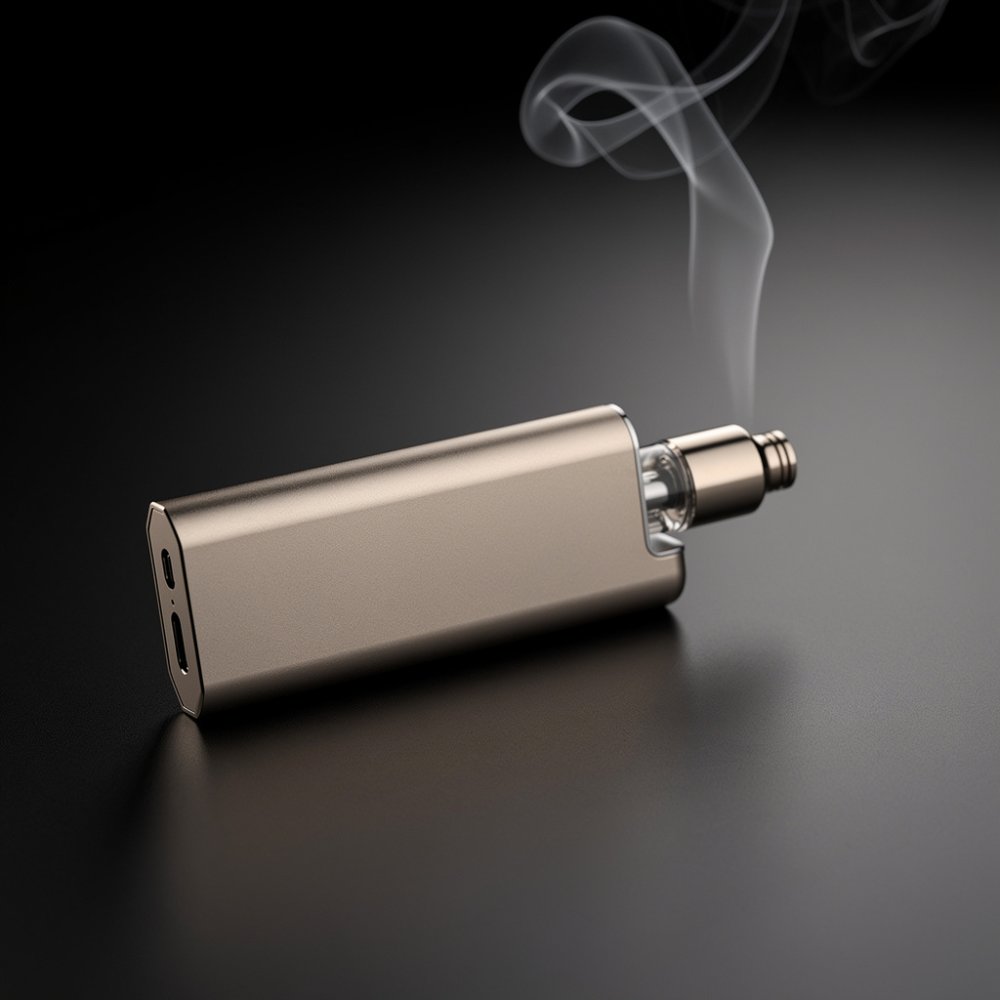
Conduction vs Convection – Two Fundamental Principles
Every vaporizer operates on one of two heating principles, or a combination of both. Understanding the difference between them is essential for proper device selection.
Conduction Vaporizers
Conduction works on the principle of direct contact between the herb and a heated surface – typically a ceramic or stainless steel chamber. The material touches the chamber walls, which are heated to the set temperature, and heat is transferred through contact.
Advantages:
- Quick ramp-up (10–30 seconds)
- Simpler construction, more affordable pricing
- Compact size suitable for pocket carry
- Efficient even with small loads (0.05–0.1 g)
Disadvantages:
- Uneven heating – herb near chamber walls vaporizes faster than the center
- Requires occasional shaking of the chamber for uniform extraction
- Risk of undesired burning at excessively high temperatures
- Chamber remains hot between hits, leading to material waste
Typical examples: most budget-friendly portable vaporizers on the market.
Convection Vaporizers
Convection uses a stream of hot air that passes through the herb and selectively evaporates active compounds. The material doesn't contact the heating element directly – heat is transferred exclusively through air.
Advantages:
- Uniform heating of the entire load
- More precise and stable temperature control
- Significantly better flavor profile due to gentler handling of terpenes
- Heating occurs only during active inhalation – no passive waste
- Lower risk of overheating and burning
Disadvantages:
- Longer ramp-up time (30–120 seconds depending on model)
- More complex construction, higher purchase price
- Higher battery consumption
- Requires more evenly packed chamber for optimal air flow
Typical examples: premium portable vaporizers and virtually all desktop models.
Hybrid Systems
Modern vaporizers in the mid to premium price range often combine both principles – for example, fast conduction pre-heating followed by convection completion. This approach offers quick startup and uniform heating without major compromises on either front.
Portable vs Desktop Vaporizers
Portable Vaporizers
Portable vaporizers are battery-powered and designed for mobile use. They range in size from discreet pens fitting in a shirt pocket to devices comparable to power banks.
| Criteria | What to Look For |
|---|---|
| Battery | Replaceable Li-ion (18650) vs integrated; capacity min. 2500 mAh |
| Chamber | Ceramic or stainless steel; volume 0.1–0.3 g |
| Ramp-up | Under 30 seconds is ideal for portable use |
| Temperature control | Precise digital control in 1 °C increments (not just 3 preset modes) |
| Air path | Isolated from electronics; preferably ceramic or glass |
| Mouthpiece | Replaceable, easy to clean, ideally glass or ceramic |
When choosing a portable vaporizer, pay attention to air path materials – plastic components can release unwanted volatile compounds at higher temperatures and compromise flavor purity.
Ideal for: users who vaporize outdoors, travel, or prefer discreet consumption.
Desktop Vaporizers
Desktop vaporizers plug into mains power and offer maximum performance, most precise temperature control, and best vapor quality. For home use, they have no competition in terms of output.
Two main types:
- With balloon (bag) – vapor fills a bag from which the user inhales at their own pace. The advantage is significant vapor cooling, smooth experience, and the possibility of sharing with multiple people.
- With whip – direct inhalation through tubing allows continuous flow and full control over each hit in real time.
Ideal for: home use, group sessions, users who prioritize highest vapor quality and precision over portability.
Vaporization Temperature and Terpene Release
Precise temperature control is one of the greatest practical advantages of a vaporizer. Different cannabinoids and terpenes have different boiling points – by adjusting temperature, you literally choose which compounds enter the vapor and which remain in the material.
Temperature Map – Cannabinoids
| Cannabinoid | Boiling Point | Effects |
|---|---|---|
| THC | 157 °C | Psychoactive, euphoria, pain relief |
| CBD | 160–180 °C | Anti-inflammatory, anxiolytic, non-psychoactive |
| CBN | 185 °C | Sedative, sleep support |
| CBG | 52 °C (sublimes) | Antibacterial, neuroprotective |
| CBC | 220 °C | Anti-inflammatory, antidepressant |
| THCV | 220 °C | Appetite suppressant, energizing |
Temperature Map – Terpenes
| Terpene | Boiling Point | Aroma | Effects |
|---|---|---|---|
| Myrcene | 167 °C | Earthy, mango | Sedative, myorelaxant |
| Limonene | 176 °C | Citrus | Mood elevation, anxiolytic |
| Linalool | 198 °C | Lavender | Calming, analgesic |
| Pinene | 155 °C | Pine | Bronchodilatory, memory support |
| Beta-caryophyllene | 130 °C | Peppery | Anti-inflammatory (CB2 agonist) |
| Humulene | 198 °C | Hoppy | Appetite suppressant, anti-inflammatory |
| Terpinolene | 186 °C | Floral | Sedative, antioxidant |
Recommended Temperature Ranges
160–180 °C (low temperature) – Flavor phase. Primarily terpenes and lighter cannabinoids are released. Vapor is cool, smooth, and aromatic. Effects are milder and more cerebral – ideal for daytime use or beginners.
180–200 °C (medium temperature) – Balanced phase. Most cannabinoids and terpenes actively evaporate. This range offers the best compromise between flavor intensity and effect strength and suits most users throughout the day.
200–220 °C (high temperature) – Strong phase. Maximum extraction of cannabinoids including those with higher boiling points (CBC, THCV). Vapor is denser, effects more pronounced, flavor less delicate. Approaches the pyrolysis threshold – caution is warranted.
Above 230 °C – Not recommended. In this range, organic matter begins degrading and the first smoke may appear. Terpenes are entirely degraded at this point.
Tip: Try the stepping technique – begin a session at 170 °C and increase temperature by 5–10 °C every several hits. First you'll savor the full terpene profile, then progressively extract stronger cannabinoids. The result is a more complex experience and more economical use of material.
Dry Herb vs Concentrates
Vaporizers also divide by the type of material they can process – and this factor should influence your device selection.
Dry Herb Vaporizers
The most common category. The herb is ground to medium texture and loaded into the chamber. The optimal temperature range is 160–220 °C depending on desired effects.
Advantages: Natural full-spectrum experience with preserved terpene and cannabinoid profile, straightforward preparation, no special accessories needed.
Disadvantages: The chamber requires cleaning after each session; compared to concentrates, dry herb takes up more chamber space.
Concentrate Vaporizers
Devices designed for waxes, shatter, live resin extracts, and rosin. They require special chambers or replaceable cartridges and typically operate at higher temperatures (200–315 °C).
Advantages: Significantly stronger effects, smaller material volume per session, less odor.
Disadvantages: Higher purchase price for concentrates, more demanding chamber cleaning, faster tolerance buildup with regular use.
Hybrid Models
Many modern portable vaporizers offer both options – a standard chamber for dry herb and a replaceable cartridge for concentrates. This is a flexible solution for users who don't want to be limited to a single material type.
How to Vaporize Properly – Tips for the Best Experience
Material Preparation
- Grind evenly – use a quality grinder set to medium texture. Material ground too finely clogs the screen and limits air flow; too coarse vaporizes unevenly.
- Pack the chamber correctly – lightly tamp the material, but don't pack it tight. Air must flow freely through the load, otherwise convection won't work efficiently.
- Monitor humidity – optimal herb humidity is around 55–62 % RH. Material that's too dry produces harsh vapor and can irritate; material that's too moist vaporizes inefficiently and may clog the air path.
Inhalation Technique
- Slow, even draws – vaporization requires a different approach than smoking. Inhale slowly and continuously for 5–10 seconds to allow air time to absorb terpenes and cannabinoids.
- Let the device breathe – between hits, wait 15–30 seconds for the chamber to stabilize at the set temperature.
- End the draw naturally – exhaling too forcefully immediately after inhalation shortens the time active compounds remain in contact with mucous membranes.
Maintenance and Cleaning
Regular cleaning is key to the device's long life and the purity of each session. A clogged air path or chamber degrades both flavor and vaporizer performance.
After each session:
- Empty and brush out the used material (ABV – already been vaped)
- Wipe the chamber with the included brush while still slightly warm – debris comes off more easily
Weekly (with regular use):
- Soak the screen and mouthpiece in isopropyl alcohol (90%+) for 15–30 minutes
- Clean the air path with a brush or cotton swab soaked in alcohol
- Rinse thoroughly with clean water and allow to dry completely before next use
Never use:
- Water directly in the device chamber
- Harsh cleaning chemicals unsuitable for contact with inhaled air
- Metal tools on ceramic surfaces (cause micro-scratches)
Tip: Don't throw away used herb after vaporization (ABV). It still contains traces of decarboxylated cannabinoids and can be used directly to make cannabis butter or added to suitable foods.
How to Choose – Decision Guide
| Your Priority | Recommended Type |
|---|---|
| Discretion, mobility | Small portable conduction vaporizer |
| Best flavor experience | Convection (portable or desktop) |
| Group sessions | Desktop with balloon system |
| Maximum effect strength | Desktop with whip or hybrid portable |
| Low budget (up to 2,000 CZK) | Portable conduction |
| Mid budget (2,000–5,000 CZK) | Hybrid portable |
| Premium (above 5,000 CZK) | Portable convection or desktop |
| Concentrates | Specialized wax pen or hybrid model |
Browse our selection of vaporizers and choose the model that matches your needs and consumption style.
Frequently Asked Questions (FAQ)
Is vaporization 100% safe?
No form of inhalation is entirely risk-free. Vaporization, however, eliminates the main risks associated with burning – tar, carbon monoxide, and carcinogenic PAH. The 2016 British study estimates vaporization is about 95% less harmful than tobacco smoking. If you're seeking the absolute lowest health risk, consider non-inhalation forms like CBD oil, capsules, or edibles.
Does vaporization smell?
Vapor from a vaporizer has a subtle aroma that dissipates within minutes in most spaces. It's dramatically less noticeable than burn smoke and, unlike smoke, doesn't linger on clothes, hair, or upholstered furniture. In a closed, unventilated room, it may be temporarily perceptible.
How long does a portable vaporizer's battery last?
Battery life depends on the model, set temperature, and duration of individual sessions. Typically you can expect 4–8 sessions (each 5–10 minutes of active vaporization) per charge. Models with replaceable 18650 batteries let you carry a spare cell and achieve essentially unlimited runtime.
Can I use CBD flower in a vaporizer?
Yes – dry herb vaporizers are ideal for CBD flowers. For maximum CBD extraction while preserving the terpene profile, set temperature between 170–190 °C. Higher temperatures extract more cannabinoids but at the cost of flavor subtlety.
How much material do I need for one session?
A portable vaporizer chamber typically holds 0.1–0.3 g of herb. Due to superior extraction efficiency (45–80% for vaporization vs 20–30% for burning), you'll achieve comparable effects with significantly less material – which pays off economically over time.
Sources
- Royal College of Physicians (2016). Nicotine without smoke: Tobacco harm reduction. London: RCP.
- Pomahačová, B. et al. (2016). Cannabis smoke condensate III: The cannabinoid content of vaporised Cannabis sativa. Inhalation Toxicology, 21(13), 1108–1112.
- Abrams, D.I. et al. (2007). Vaporization as a smokeless cannabis delivery system. Clinical Pharmacology & Therapeutics, 82(5), 572–578.
- Lanz, C. et al. (2016). Medicinal Cannabis: In Vitro Validation of Vaporizers for the Smoke-Free Inhalation of Cannabis. PLoS ONE, 11(1), e0147286.
- Hazekamp, A. et al. (2006). Evaluation of a vaporizing device (Volcano) for the pulmonary administration of tetrahydrocannabinol. Journal of Pharmaceutical Sciences, 95(6), 1308–1317.