


 English (English)
 Deutsch (German)
 Čeština (Czech)
 Hrvatski (Croatian)
 Română (Romanian)
 български език (Bulgarian)
 Magyar (Hungarian)
 Español (Spanish)
 Français (French)
 Italiano (Italian)
 Nederlands (Dutch)
 Polski (Polish)
 Slovenčina (Slovak)
Hemp Oil vs CBD Oil – What's the Difference
Hemp oil and CBD oil come from the same plant – Cannabis sativa – but that's where their similarity essentially ends. These are two fundamentally different products with distinct composition, mechanism of action, method of use, and price. Nevertheless, many consumers – and unfortunately some retailers – commonly confuse them, leading to misunderstandings, disappointed expectations, and unnecessary spending.
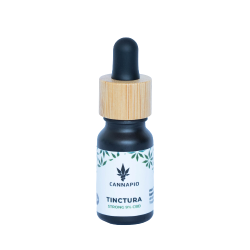
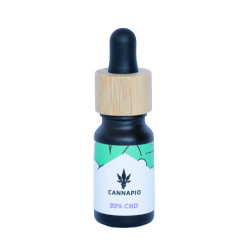
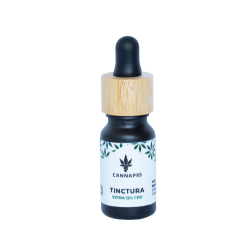
This article explains in detail the differences between hemp oil pressed from seeds and CBD oil extracted from flowers, and will help you choose a product that truly meets your needs.
Basic Difference at a Glance
| Parameter | Hemp Oil (hemp seed oil) | CBD Oil |
|---|---|---|
| Source | Hemp seeds | Hemp flowers and leaves |
| Production | Cold pressing | CO₂ extraction, ethanol extraction |
| Cannabinoids | None (0 %) | CBD 2–40 %, ± THC, CBG, CBN etc. |
| Terpenes | None / trace amounts | Yes (in full spectrum) |
| Main Components | Fatty acids, vitamins, minerals | Cannabidiol + carrier oil |
| Purpose | Nutrition, cooking, cosmetics | Therapeutic / wellness |
| Typical Price | 150–400 CZK / 250 ml | 500–3,000 CZK / 10 ml |
| Taste | Nutty, faintly green | Earthy, bitter, herbal |
| Regulation | Food | Food supplement / novel food |
Hemp Oil – What Exactly Is It
Hemp oil (hemp seed oil, Cannabis sativa seed oil) is produced by mechanically cold-pressing hemp seeds – using the same process as olive or flax oil. The process requires no solvents or chemical additives, making the final product naturally pure.
What It Contains
Hemp oil is among the most nutritionally valuable plant oils thanks to its exceptionally balanced fatty acid profile:
- Linoleic acid (omega-6): 50–60 %
- Alpha-linolenic acid (omega-3): 15–25 %
- Gamma-linolenic acid (GLA): 2–5 %
- Oleic acid (omega-9): 10–15 %
- Vitamin E: natural antioxidant protection
- Phytosterols: support for healthy cholesterol metabolism
Key is the omega-6 : omega-3 ratio, which reaches approximately 3:1 – a value considered optimal for the human organism by nutritional science.
What It Does NOT Contain
Hemp oil contains no cannabinoids – neither CBD, nor THC, nor CBG, CBN or others. Seeds are protected by a hard shell and do not come into contact with resinous glands (trichomes) on flowers, where cannabinoids are biosynthesized.
This means hemp oil:
- Has no psychoactive effects
- Cannot cause a positive drug test
- Does not interact with the endocannabinoid system
- Has no therapeutic effects associated with CBD
Uses of Hemp Oil
In the kitchen:
- Dressings for salads and cold sauces
- Flavoring for finished dishes (do not heat above 165 °C – fatty acids oxidize above this temperature)
- Addition to smoothies or muesli
- Base for dips and spreads
Learn more about culinary use in the article hemp foods – what they contain and how to use them.
In cosmetics:
- Skin hydration and nourishment (non-comedogenic – doesn't clog pores)
- Hair care (shine, elasticity, scalp soothing)
- Massage oil
- Base for homemade cosmetic preparations
Learn more about cosmetic use in our guide hemp cosmetics – the science behind skincare.
As a dietary supplement:
- Rich source of essential fatty acids that your body cannot synthesize itself
- Support for cardiovascular health
- Anti-inflammatory potential due to GLA content
- Recommended daily dose: 1–2 tablespoons
CBD Oil – What Exactly Is It
CBD oil is an extract from hemp flowers and leaves in which cannabidiol (CBD) is dissolved in a carrier oil. Production is substantially more technologically demanding than seed pressing – it requires specialized equipment and strict quality control.
How It's Made
| Extraction Method | Quality | Purity | Price |
|---|---|---|---|
| Supercritical CO₂ | Highest | Highest | Highest |
| Ethanol | High | High | Medium |
| Olive oil | Medium | Medium | Low |
| Butane (BHO) | Variable | Risky (residual solvents) | Low |
Supercritical CO₂ extraction is the industry gold standard. CO₂ at a specific combination of pressure and temperature transitions to a supercritical state, in which it selectively dissolves cannabinoids and terpenes – without any solvent residue in the final product.
What It Contains
CBD oil composition depends on its type:
Full spectrum:
- CBD as the dominant cannabinoid
- THC below legal limits (0.3 % in Czech Republic, 0.2 % in EU)
- Minor cannabinoids: CBG, CBN, CBC and others
- Terpenes (myrcene, limonene, linalool etc.) – contribute to the so-called entourage effect
- Flavonoids
- Carrier oil (hemp seed, MCT, olive)
Broad spectrum:
- Identical composition to full spectrum, but with analytically confirmed absence of THC
Isolate:
- 99%+ pure cannabidiol
- Carrier oil
- No other cannabinoids and terpenes – suitable for users sensitive to THC
Find a detailed comparison of CBD oil types in the article CBD oil – independent comparison 2026.
Uses of CBD Oil
Sublingual administration (most widespread and effective):
- Drops are applied under the tongue and held for 60–90 seconds before swallowing
- Onset of effect: 15–45 minutes
- Duration: 4–6 hours
- Bioavailability: 20–30 % (significantly higher than oral administration)
Other forms of administration:
- Addition to food or drink (lower bioavailability due to first-pass metabolism)
- Topical application to skin for local effect
- Capsules – slower onset, but consistent and convenient dosing
Marketing Confusion – How You Can Be Misled
The biggest market problem is deliberate or unintentional confusion of both products. Below are the most common practices to watch out for.
1. "Hemp oil" on the Label
The English term "hemp oil" is deliberately ambiguous – it refers to both hemp seed oil and CBD oil from flowers. Some products deliberately choose "hemp oil" instead of "CBD oil" to suggest the presence of cannabinoids, even though it's actually just plain seed oil.
How to recognize: Check the INCI composition. Hemp seed oil = Cannabis Sativa Seed Oil. CBD oil = Cannabidiol + carrier oil.
2. "Contains 1000 mg hemp extract"
Some products state "1000 mg hemp extract" without specifying CBD content. Extract from seeds without cannabinoids is significantly cheaper than real CBD extract from flowers – and functionally completely different.
How to recognize: Look for an explicit number with units – for example "500 mg CBD". Reputable manufacturers always state the precise concentration of cannabinoids, ideally supported by a certificate of analysis (CoA).
3. Hemp Leaf on the Package Equals CBD?
No. The hemp leaf is only a marketing symbol – it says nothing about product composition. Hemp seed oil with no CBD content whatsoever can have a prominent green leaf on the package.
4. Unusually Low Price
If "CBD oil" is sold for 200 CZK per 10 ml, it's very likely hemp seed oil with zero or negligible CBD content. Quality CBD extract production has non-negligible costs that are necessarily reflected in the product price.
How to Reliably Distinguish Them
Control Checklist
| Criterion | Hemp Oil | CBD Oil |
|---|---|---|
| States CBD content in mg? | No | Yes (mandatory for reputable makers) |
| Has certificate of analysis (CoA)? | Usually not (standard food) | Should always have one |
| INCI: Cannabis Sativa Seed Oil? | Yes | No (Cannabidiol stated) |
| Price per 10 ml? | 20–80 CZK | 300–3,000 CZK |
| Color? | Deep green | Golden to dark green |
| Taste? | Nutty, faintly green | Bitter, earthy, herbal |
| Consistency? | Thin, oily | Thin to medium (depends on carrier oil) |
Practical Verification Procedure
- Read the INCI – if "Cannabis Sativa Seed Oil" is listed as the main ingredient, it's unambiguously hemp seed oil
- Look for a specific number – reputable CBD oil always declares concentration (e.g. 5 %, 10 %, 500 mg or 1000 mg CBD)
- Verify the CoA – certificate of analysis from an accredited laboratory, accessible via QR code or link on the manufacturer's website
- Compare price – CBD oil for less than 300 CZK per 10 ml is reason for caution
When to Use Which
Hemp Oil Is the Right Choice If You're Looking For:
- A natural source of essential fatty acids in your diet
- A healthier alternative to refined vegetable oils
- A raw material for homemade cosmetics or massage
- An affordable product for everyday use without therapeutic ambitions
CBD Oil Is the Right Choice If You're Looking For:
- A targeted wellness effect – relaxation, sleep support, or relief from discomfort
- A product that interacts with the endocannabinoid system
- Measurable cannabinoid content with analytical confirmation
- A supplement for specific health concerns (always after consulting your doctor)
Can They Be Combined?
Yes – and in practice they're often combined. Many quality CBD oils use hemp seed oil as the carrier oil, thus combining the nutritional benefits of seed oil with the therapeutic potential of CBD in one product. The fatty acids in hemp oil also improve the absorption of lipophilic CBD in the intestines.
Frequently Asked Questions (FAQ)
Can hemp seed oil contain traces of CBD?
Theoretically, extremely low trace amounts of cannabinoids (below 0.001%) may be present, resulting from contamination with flower material remnants during processing. This concentration is analytically and biologically irrelevant and has no measurable effect on the organism.
Is hemp seed oil safer than CBD oil?
Both products are safe when used correctly. Hemp seed oil is a standard food with no contraindications – the only exception is individual allergies. CBD oil is also safe, but may interact with some medications, especially those metabolized by CYP3A4 and CYP2C19 enzymes. Consulting a doctor during concurrent medication is essential.
Can I use hemp oil instead of CBD oil for anxiety or pain?
No. Hemp seed oil contains no cannabinoids and has no direct effect on receptors involved in regulating pain, mood, or inflammation. For these purposes, CBD oil with clearly declared cannabidiol content is necessary.
Which oil is better for skin?
It depends on the specific goal. For basic nourishment, hydration, and skin barrier renewal, hemp seed oil is an excellent choice due to its fatty acid profile and vitamin E. For anti-inflammatory and sebum-regulating effects – for example with acne, eczema, or psoriasis – cosmetics with declared CBD content are more suitable.
Can I cook with CBD oil?
Not recommended. CBD begins to degrade at temperatures above 160–180 °C, while heat processing also reduces bioavailability. Sublingual administration provides significantly higher and more predictable effects. If you're looking for hemp oil for cooking, choose seed oil – it's designed specifically for culinary purposes and is much more affordable.
Browse our selection of CBD oils and hemp oils and choose the product that truly meets your needs.
Sources
- Callaway, J.C. (2004). Hempseed as a nutritional resource: An overview. Euphytica, 140, 65–72.
- Pavlovic, R. et al. (2018). Quality Traits of CBD Oils on the Italian Market. Molecules, 23(5), 1230.
- Corroon, J. & Phillips, J.A. (2018). A Cross-Sectional Study of Cannabidiol Users. Cannabis and Cannabinoid Research, 3(1), 152–161.
- EFSA (2019). Scientific opinion on the safety of hemp (Cannabis sativa L.) seed-derived products. EFSA Journal.