


 English (English)
 Deutsch (German)
 Čeština (Czech)
 Italiano (Italian)
 Hrvatski (Croatian)
 Română (Romanian)
 български език (Bulgarian)
 Magyar (Hungarian)
 Español (Spanish)
 Français (French)
 Nederlands (Dutch)
 Polski (Polish)
 Slovenčina (Slovak)
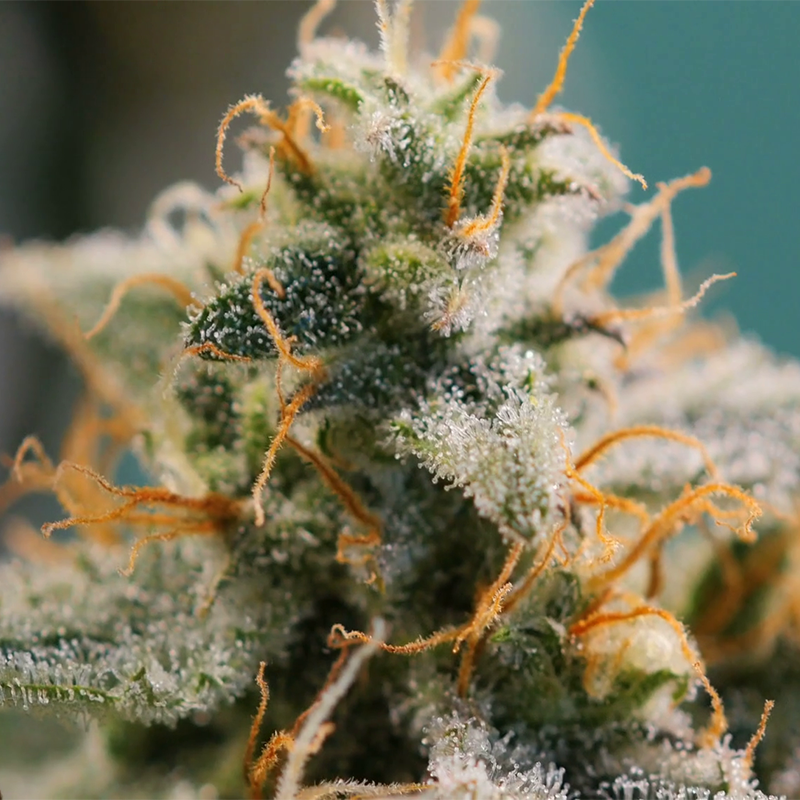


- Is there something you would like to know about cannabis? Below you will find answers to the 10 most commonly asked questions.
Consuming cannabis for the first time can be somewhat intimidating for many people. But even if you have no experience with this plant, there is no need to worry. There are many ways to consume cannabis safely while getting the most out of the new experience. To help you learn as much as possible about your new favourite plant, we bring you answers to the 10 most frequently asked questions.
1. What does being “in the mood”, or "high", mean?
Cannabis is known for inducing a good, giggly, euphoric mood. The truth, however, is that this plant affects each person differently. What is more, different cannabis strains have different effects.
Some strains are more uplifting and energising, which is why they are suitable for daytime use. Others have calming effects and are suitable for the night, as they help with falling asleep.
And other strains, mainly those with a high content of cannabidiol (CBD), have almost no psychoactive effects. They are rather relaxing and uplifting, help to ease everyday anxieties and support a person's activity.
In general, however, it can be said that when consuming psychoactive cannabis you can expect some (or even all) of the following states:
- distorted or slowed perception of time
- a feeling of heaviness or slowing down
- laughter, giggling, good mood, euphoria
- forgetfulness, temporary problems with spatial and short-term memory
- drowsiness
- a feeling of lightness, relief from stress and overall calm
- a feeling of a heavy body
- possible anxiety or paranoia
2. Is cannabis harmful to me?
Unfortunately, there is no simple way to answer this question. Many enthusiastic consumers will tell you that cannabis affects their health positively rather than negatively.
In general, however, it can be said that research addressing this question has been surprisingly inconclusive. As far as regular routine consumption is concerned, it is not possible to draw a single final conclusion.
Studies suggest that when cannabis is used in moderate amounts by adults (much like caffeine), it is not associated with the development of cancer, lung damage or brain damage. There are, however, several risk groups, which include:
- Chronic, long-term consumers under the age of sixteen
- People with a predisposition to mental disorders
- People with heart disease (always consult a doctor about anything that could increase your heart rate)
- Long-term consumers (several years) experiencing cyclical vomiting (rare)
3. Can smoking cannabis damage my lungs?
Given the existing evidence, the answer can be both yes and no. Yes, because inhaling hot grey air irritates the tissue of the airways. This, plus inhaling sticky resin, can cause coughing up of mucus and some symptoms of bronchitis.
This is where the no comes into play. This irritation and mucus build-up is not long-term, and research suggests that it disappears right after stopping smoking or after changing the method of consumption.
What is more, research has also shown that smoking one joint a day for twenty years is not associated with reduced lung function.
Other studies have failed to show that there is a link between cannabis and an increased risk of throat, oesophageal or lung cancer.

4. Can cannabis damage the brain?
Among researchers, this question causes uncertainty. Some studies suggest that there is a link between cannabis use and lower IQ, but more recent studies refute this possibility. These studies examined identical twins, one of whom consumed cannabis and the other did not, and no differences were found.
In the case of teenagers and adolescents, intensive cannabis consumption is a debatable question. In adults, however, the cannabis plant has been shown to have protective effects that act positively on the adult brain. Some pharmaceutical companies are researching the neuroprotective properties of this plant and are trying to develop medicines that could prevent and (or) cure traumatic brain injury.
5. Does cannabis increase sexual desire?
Sometimes, yes. For centuries, cannabis has been spoken of as an aphrodisiac. There are several theories about how these stimulating effects might work.
Cannabis helps people to “switch off”, relax and get into a euphoric mood. This plant also dilates blood vessels and should potentially help more blood reach the male sexual organs.
However, to achieve the right effects, it is important to stick to a low dosage. In the 1980s, tests were carried out on rodents which showed that cannabis causes a sharp rise in testosterone. This rise, however, is only temporary; as time goes on, testosterone levels fall again. Larger doses caused a smaller rise and a longer decline. These results are very interesting, even though it is not yet clear whether it works the same way in humans.
6. Does cannabis increase the risk of mental disorders?
Those who remember the days of the film Reefer Madness often claim that cannabis consumption is associated with an increased risk of developing psychosis. It is true that cannabis can cause feelings of anxiety and paranoia, but there is no evidence confirming a direct link between cannabis and psychosis.
Even so, the answer to this question is very complicated. Recent research suggests that people who are prone to mental illness should avoid intensive cannabis consumption.
Excessive cannabis consumption among teenagers has been associated with an increased risk of developing a mental disorder, although the evidence as a whole is not conclusive.
7. Are there different types of cannabis?
Not all cannabis plants are the same. You may have already heard of plants with names such as Blue Dream or OG Kush, but is there really any difference between them? Surprisingly, yes. Different plants can have very different effects. To know what effects you can expect from your plant, it is important to know at least a little about the different strains.
Cannabis strains are unique lineages of the plant that have been selectively bred (usually over several generations) so that different plants have different effects.
Sometimes these lineages are propagated further by cloning, and sometimes they represent a phenotype in a plant grown from seed.
Some strains are not psychoactive, which means they will not cause an intoxicated state. Some strains can make you feel sleepy and others, in turn, energised. Knowing which effect you are after will help you choose the right strain.

8. What are Indicas and Sativas?
Cannabis is usually divided into two main groups: Indicas and Sativas. In general, it can be said that Indicas are rather calming and cause a slow, sleepy state that is well suited, for example, to a box-set marathon on a comfortable sofa. Sativas, on the other hand, are said to be daytime plants.
As already mentioned, different cannabis strains have very different effects. Sativas cause a euphoric state, which you will certainly appreciate when heading out in the evening or when you need to keep yourself entertained during boring household chores
Indicas and Sativas are often distinguished on the basis of their appearance and effects, but recent genetic research has shown that the differences between these two plants may be even more complicated than originally expected. Some people even propose that the entire cannabis classification system should be reconsidered.
9. What is the difference between CBD and THC?
As already mentioned, some cannabis strains cause a psychoactive state and others do not. Strains that are not psychoactive contain a large amount of a compound called CBD. Recent research has shown that this substance is very successful in trial treatment of childhood epilepsy.
Strains that cause the classic psychoactive state contain a compound known as tetrahydrocannabinol (THC). In the brain, THC binds to special cell receptors and thereby causes changes of mind. CBD also reacts with cell receptors, but in a slightly different way from THC.
THC binds directly to cell receptors, but CBD does not. CBD rather “slips” into a side pocket of the cell receptor, but even scientists are still not clear what it does there. What is certain, however, is that it does not bind directly to the cell receptor and therefore does not cause changes of mind.
10. What is the difference between medical and recreational cannabis?
Although medical cannabis can be used recreationally and vice versa, there are certain differences between these two types.
The main difference is that medical cannabis can be found in many different forms, whereas recreational cannabis usually cannot.
For example, highly concentrated cannabis oil is often used by patients suffering from cancer who hope that cannabis will help them shrink a tumour.
Non-psychoactive cannabis strains are sought after mainly by patients using medical cannabis, but fans of CBD strains can also be found among recreational consumers.
Most people prefer psychoactive strains, but cannabis with a high CBD content is suitable, for example, for unwinding after a demanding day at work.