


 English (English)
 Deutsch (German)
 Čeština (Czech)
 Italiano (Italian)
 Hrvatski (Croatian)
 Română (Romanian)
 български език (Bulgarian)
 Magyar (Hungarian)
 Español (Spanish)
 Français (French)
 Nederlands (Dutch)
 Polski (Polish)
 Slovenčina (Slovak)
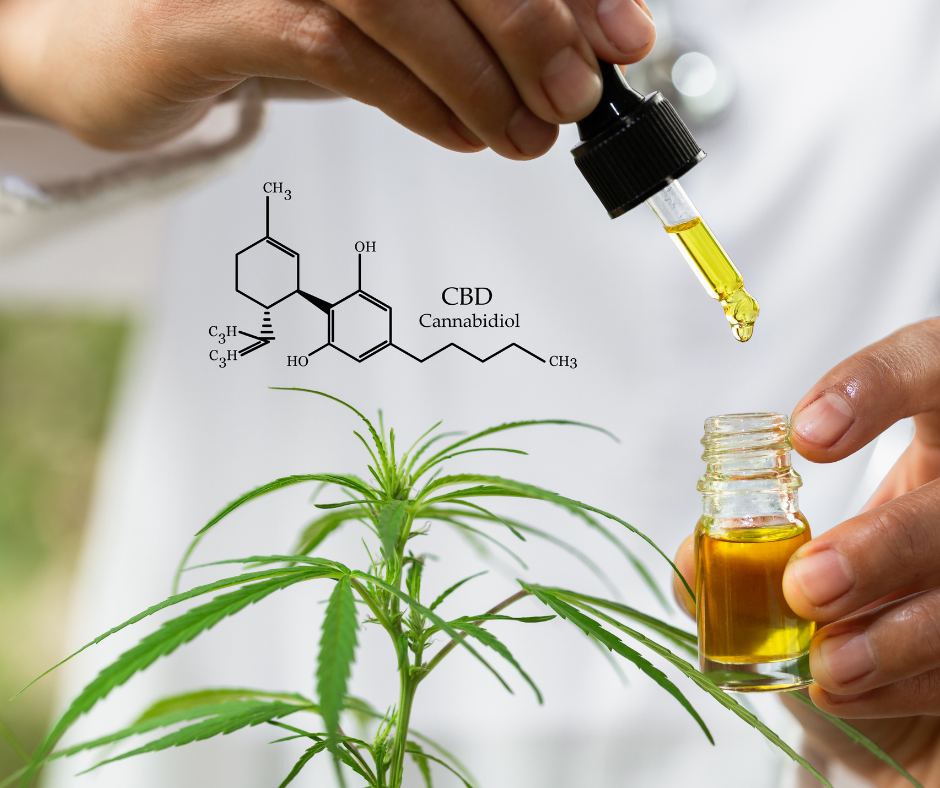


- CBD acts in the body on a diverse range of receptor sites
- CBD cannabinoids can be used against various illnesses such as epilepsy, as well as against psychological disorders such as stress and anxiety
- For effective treatment, however, it is necessary to know the correct dosage suited to each individual disorder
In 2015, the United States National Institutes of Health spent 21.2 million dollars out of a total budget of 111 million dollars set aside for research into cannabinoids and their potential therapeutic effects. The projects funded by these grants focus on all possible modifications of the body's endocannabinoid system and the body's own endocannabinoids, or on the use of plant-derived phytocannabinoids.
While the primary phytocannabinoid delta-9-THC is already widely recognised for its therapeutic effects, the secondary cannabinoid CBD is beginning to make its way into an ever-growing number of medical fields and potential applications. In recognition of the promising therapeutic effects of CBD, the National Institutes of Health decided to set aside a full 9 million dollars of the budget exclusively for CBD research.
A large part of this research focuses on the potential treatment of epilepsy, especially the hard-to-treat childhood form of epilepsy. Current studies point to the enormous potential of CBD in these cases. A daily dose of 600mg of CBD reduced the frequency of seizures in children by an average of 39%. That, however, is a larger dose than you will find in most of the available CBD products. With these products, you can usually read that they help against anxiety, pain, inflammation and more.
So why not raise the CBD dosage substantially, for example precisely in its application against anxiety? If a little is enough, more will surely work better, right? As it turns out, the answer here is no: you will not achieve a better effect from CBD by increasing the dosage. In the case of CBD, it is necessary to stay within a certain dosage range, specific to the particular condition you want to treat with this cannabinoid. You therefore need to find that golden middle path, where CBD is applied neither too much nor too little.
"For example, against stress and anxiety CBD works effectively even at small doses. By contrast, the use of CBD against epilepsy requires considerably stronger dosing."

The correct CBD dosage against anxiety
If we overshoot the dosage, so to speak, and exceed the golden measure, there is a considerable reduction in the effectiveness of CBD. One of the studies carried out on animal subjects in 1990 found that at small doses CBD can be effective against anxiety, while when a higher dose is applied, the anti-stress effects are no longer observable. The authors of the study state that they observed the typical so-called inverted-U effect. Across four different doses it was observed that, from the lowest to the highest, the first dose had a mildly positive effect, the second dose acted most strongly, the third more weakly than the second, and the fourth, the highest, had almost no effect against anxiety at all.
Even though this mechanism of action sounds unusual, it is in fact quite common for substances acting on several receptors at once, as CBD does. According to a review of effects, the inverted-U effect is observed in 37% of studies dealing with the toxicology of various substances. The fact that CBD is not the only substance acting in the inverted-U style tells us that this is not a coincidence, but a differential action in various areas of the brain.
The diverse health effects of CBD
The fact that the therapeutic spectrum of hemp-derived CBD is remarkably broad - CBD can be used for the treatment of various types of pain, anxiety, PTSD (post-traumatic stress disorder) and more - reflects its highly diversified "targets of action" distributed throughout the whole body and brain in the form of the receptors of the endocannabinoid system. Each of the receptor centres that can be targeted with CBD has a different "golden measure" for dosing. Determining and knowing the dosage based on the target is therefore essential in the case of treatment with CBD.
Roger Pertwee, a well-known researcher, pharmacologist and proponent of the cannabinoid CBD, described the differences between the effects of low, medium and high doses in frequently cited research published in the British scientific journal of pharmacology. As might be expected, low doses of CBD affect a smaller number of neural targets - receptors. Using relatively small doses, CBD is able to prevent endocannabinoids (the body's own), such as anandamide, and phytocannabinoids (plant-derived), such as delta-9-THC, from interacting with the nervous system. This mechanism is also often used to explain the effect of CBD in suppressing the negative effects of a high dose of THC, such as feelings of anxiety or tremors.
The effects of CBD against anxiety explained
The positive effects of CBD against feelings of stress and unease are associated with its action on a specific type of serotonin receptor. Serotonin is a very important neurotransmitter, taking care of the regulation of mood and the stress response. A low level of serotonin is considered one of the most important causes of persistent stress, feelings of anxiety and even depression. Even more frequently, there are attempts to treat stress and depression with medications that work on the principle of blocking the breakdown and reuptake of serotonin, thereby increasing its overall supply in the body.
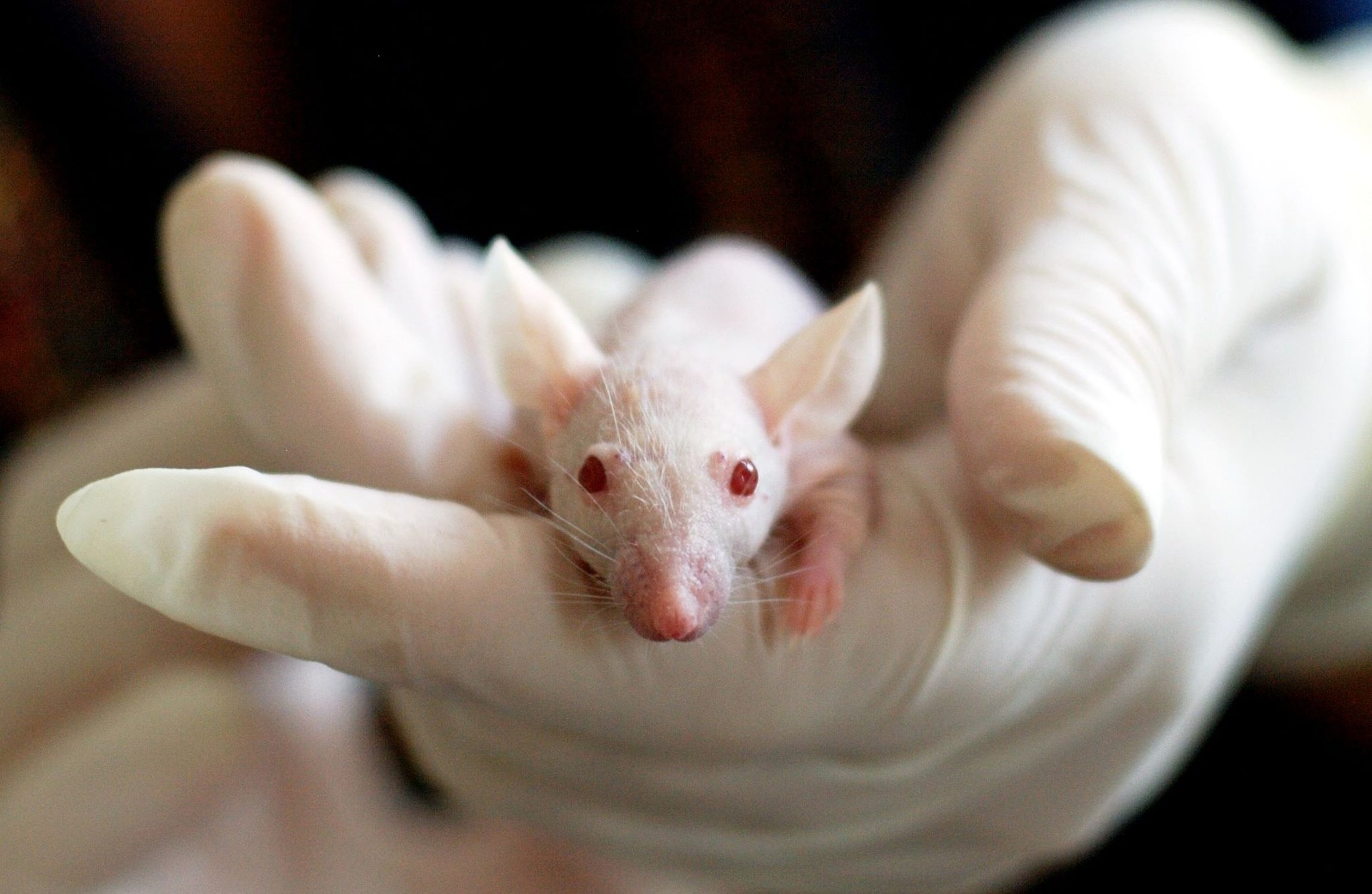
Studies of CBD carried out on mice reveal that this cannabinoid acts in many respects similarly to commonly used pharmaceuticals, increasing the overall activation and production of serotonin.
"In mice, we observed a better response against stress when using low to medium doses. The test mice are confined for an hour in what you might call a "straitjacket" and cannot move. Then they are given CBD and the stress response is measured, which is subsequently compared with the response without CBD or with the use of other medications."
The effects of CBD against anxiety, however, do not work once the medium dose is exceeded, nor when the 5-HT1a receptors are blocked in advance, which tells us that the stress response has something to do precisely with the activation of this receptor type.
Similar doses of CBD and their positive effects have also been demonstrated in trials on humans, where its effectiveness was shown in people suffering from general anxiety in social situations and also in those who take it before public speaking. These positive anti-stress effects are recognised precisely by the restoration of normal functions in the areas of the brain responsible for emotional dysregulation.
Following these studies, the positive effects of CBD in the treatment of anxiety are observed when using approximately 25% of the dose commonly used for the treatment of epilepsy.
CBD against stroke?
While CBD and its ability to activate 5-HT 1A receptors is insufficient for preventing stroke, another promising target of its action, which we aim at especially in the case of treating epilepsy, is the GPR55 receptor. When behaving abnormally, this receptor is capable of triggering a cascade of negative processes in the brain. CBD, however, acts as a GPR55 antagonist (it switches it off), which means it can act preventively against strokes. However, the moment the CBD dose is overdone, these benefits can be lost, just like the antidepressant effects mentioned above.
Identifying all the areas on which CBD is able to act, together with the no less interesting diversity of effects at different doses, is an enormous, extensive topic on which many currently ongoing studies are focused.
With knowledge of the absolutely precise dosing for diverse illnesses, we will reach a new level of understanding of treatment with cannabis. The action of medicinal marijuana is admirably extensive. How much time remains until we understand its effects completely and in detail, we can only guess. One thing, however, is certain already - according to a whole series of studies, medicinal cannabis is capable of helping with diverse disorders and illnesses, and it is able to return hope to the lives of many people, and together with it, erase a certain measure of human suffering.