


 English (English)
 Deutsch (German)
 Čeština (Czech)
 Italiano (Italian)
 Hrvatski (Croatian)
 Română (Romanian)
 български език (Bulgarian)
 Magyar (Hungarian)
 Español (Spanish)
 Français (French)
 Nederlands (Dutch)
 Polski (Polish)
 Slovenčina (Slovak)



Cannabis as collectible genetic material presents a fascinating diversity of pharmacological compounds that have sparked scientific interest for decades. For cannabis seed collectors, understanding these chemical and pharmacological properties is essential to appreciate the complexity of the different genetics available on the market.
Cannabinoid Compounds and Receptors
Cannabis genetics contain a wide range of cannabinoids that interact with the endocannabinoid system. The main psychoactive component, Δ9-tetrahydrocannabinol (THC), represents only a fraction of the complete chemical profile of these plants. The cannabinoid receptors CB1 and CB2, distributed throughout the body, constitute the interaction points where these compounds exert their pharmacological effects.
Seed collectors especially appreciate those genetics that present unique and complex cannabinoid profiles. Each variety develops specific concentrations of these compounds, which determines the distinctive characteristics of each genetic line.
Research has identified more than 100 different cannabinoids in cannabis, although many of them have not yet been fully characterized from a pharmacological point of view. This chemical diversity makes each genetic a unique piece for specialized collectors.
Cannabis-Derived Medications
The pharmaceutical industry has developed several medications based on compounds extracted from cannabis. In the United States and Canada, products such as dronabinol (classified in Schedule III) and nabilone (Schedule II) represent formalized medical applications of these active ingredients.
Nabiximols, although not approved by the United States Food and Drug Administration, exemplifies the advances in the development of cannabinoid therapies. These medications derive directly from the genetic material that collectors preserve in the form of seeds.
For cannabis genetics enthusiasts, it is fascinating to observe how traditional varieties have served as the basis for the development of these pharmaceutical products. The mother plants used in these industrial processes originally come from genetics similar to those currently preserved by collectors.
Terpene and Aromatic Profiles
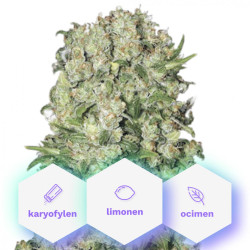
In addition to cannabinoids, cannabis genetics are characterized by their complex terpene profiles. These aromatic compounds not only determine the organoleptic characteristics of each variety but also contribute to their pharmacological properties through the so-called "entourage effect".
The most common terpenes include myrcene, limonene, pinene, and linalool, each with distinctive aromatic properties. Genetics with a predominance of myrcene tend to develop relaxing profiles, while those rich in limonene are usually associated with more stimulating effects.
Experienced collectors can identify different genetic lines simply by their aromatic profiles. This skill is developed after years of experience evaluating seeds from different origins and characteristics.
Documented Therapeutic Applications
The scientific literature documents numerous therapeutic applications of medicinal cannabis. The most frequently cited indications include the treatment of nausea and vomiting associated with chemotherapy, as well as anorexia related to weight loss in patients with acquired immunodeficiency syndrome.
Clinical studies have also documented significant improvements in cases of muscle pain and spasticity. These properties derive directly from the compounds present in the original genetics, which underscores the importance of preserving the genetic diversity of cannabis.
The side effects reported in the medical literature are generally considered mild, with dizziness being the most commonly documented. This information is valuable for understanding the safety profile of the different genetics available to collectors.
Safety and Research Considerations
Current research also addresses aspects related to safety in the use of cannabis-derived products. Studies mention concerns about the potential risk of developing schizophrenia, as well as possible effects on memory and cognition.
From a collecting perspective, this scientific data provides valuable information about the pharmacological characteristics of different genetic lines. Collectors can use this information to categorize and document their collections more accurately.
Research continues to advance in understanding the mechanisms of action of cannabinoids and terpenes. This expanding knowledge constantly enriches the scientific appreciation of cannabis genetics as collectible material of invaluable worth for future research.