


 English (English)
 Deutsch (German)
 Čeština (Czech)
 Italiano (Italian)
 Hrvatski (Croatian)
 Română (Romanian)
 български език (Bulgarian)
 Magyar (Hungarian)
 Español (Spanish)
 Français (French)
 Nederlands (Dutch)
 Polski (Polish)
 Slovenčina (Slovak)
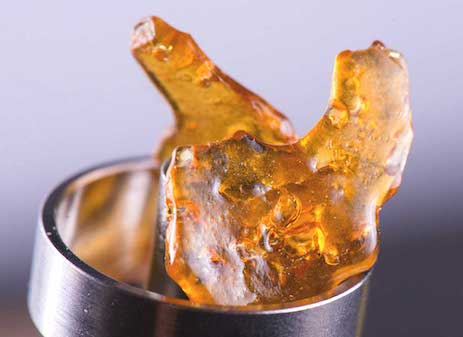



Dabbing is another fascinating way of processing cannabis. If you haven't heard of it yet, today you have the chance to read about:
- The Meaning of Dabbing
- The History of Dabbing
- How Dabs Are Made
- The Benefits of Dabbing
- Types of Dabs
What Does "Dabbing" Mean?
Dabbing is essentially cannabis too, just in a concentrated form. This means that such a concentrated form of cannabis contains only the resin from the trichomes, without any plant material. The concentrate can have any texture and is used mainly in electronic cigarettes or vape pens. The texture of dabs is created through an interesting process tied to several extraction methods. Many are used, and we'll outline some of them in today's article.
What Is the History of Dabbing?
Available sources report that the dabbing method has been used since the 1960s, mainly by Americans. They extracted THC into a liquid concentrate using solvents such as acetone or gasoline. They then rolled the concentrate in paper and smoked it. A foreign study identified BHO (butane hash oil) as a concentrate that has been used since ancient times and represents an easier way to make use of certain parts of the cannabis plant.
How Do CBD Concentrate, CBD Extract, and CBD Hemp Drops Differ?
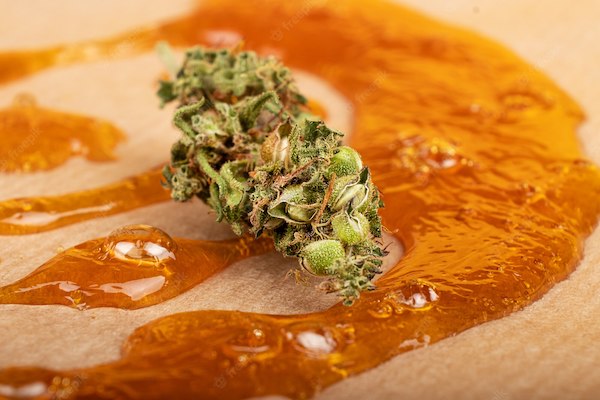
Before we get into dabbing itself, we should clarify these terms. Like most of us, you've probably struggled to keep track of what all these product names actually mean. The same can be true for the terms CBD extract, concentrate, and drops. Although at first glance these might seem like completely different products, would you say they actually describe the same thing? Their main difference lies in the manufacturing process.
The first steps in making an extract begin in the trichomes and resin glands. The glands in cannabis are an important source of cannabinoids. However, for a cannabis extract to be produced, the trichomes must be separated from the plant material. What's left is a concentrate free of plant matter, which can be bought in the form of oil, wax, butter, and so on.
A concentrate is made in exactly the same way and has the same properties. So if you see the word "concentrate" or "extract" on a product's label, they refer to the same thing, since these words are synonyms and the choice between them comes down purely to the manufacturer's preference. Cannabis concentrates and extracts are mostly consumed by dabbing. Within this category, concentrates and extracts that are consumed by vaporizing a small amount are referred to as dabs.
How Are Dabs Made?
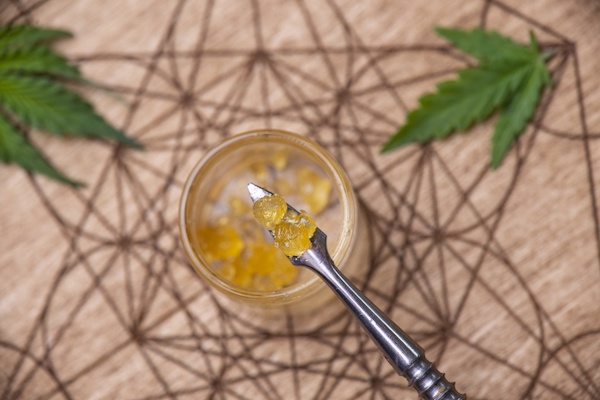
Several production methods are used to make dabs. Extraction processes remove the trichomes from the cannabis, and the plant material is then converted into a concentrate. Examples of extraction processes include dewaxing and whipping. The basic processes for making dabs include:
Solvent extraction: The principle of solvent extraction works by placing the cannabis plant material and a solvent, such as butane or propane, into a closed system for a period of time. This is usually a matter of a few hours, enough time for a concentrated mash to form as the trichomes are removed. The solvent is later purged from the mash. The extracted cannabis concentrate is then removed from the machine used for processing dabs. Butane is the most commonly used solvent in the production of these cannabis products, which is also why some are called BHO (butane hash oil). These are hydrocarbon extractions. Popular and commonly used solvent-based extracts include: wax, shatter, live resin, sugar, crumble, caramel, and so on. They are easier to produce, but a chemical solvent is always required.
Solventless extraction: Extractions that work without a solvent are based on a different principle. They rely mainly on temperature changes and physical manipulation to separate the trichomes from the cannabis. One popular method is freezing. Picture it like this: the cannabis plant material is placed into ice water, shaken while frozen, and because it's frozen, the trichomes separate. This is how bubble hash is made. Another process is dry-sift hash, which is created by rubbing cannabis through a special screen and then pressing it. Solventless extractions also include rosin, characterized by pressing cannabis between two heated plates to squeeze out the hot oil. These methods are older but are considered cleaner and more expensive to produce.
Purification after extraction: If the extraction was done without solvents, it can be consumed right away. However, if a solvent was used, the extract must be refined once the solvent has been removed.
The Benefits of Dabbing
Dabbing has several benefits that make it worth trying. These include:
- A distinctive flavor
- Complete purity
- A fast onset of effects
- A gentler way of inhaling
What Types of Dabs Are There?
Made With a Solvent
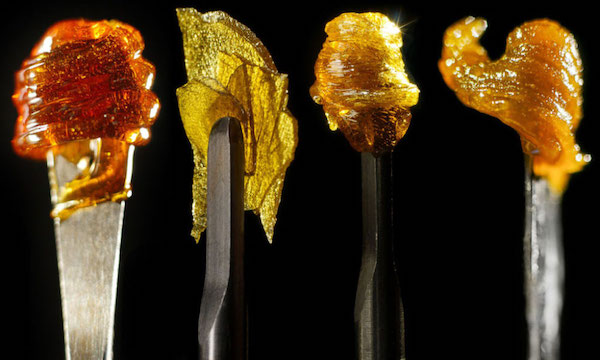
- Wax: has a soft structure, made with butane
- Taffy / Pull 'n' Snap: caramel texture, glossy concentrate
- Budder: a type of wax, firmer consistency, golden color
- Sugar: insoluble and crystalline
- Crumble: a type of wax, drier consistency, dark yellow color
- Resin: made from dried plant material
- Diamonds: a pure form, made from a single compound
- Terp "Sauce": a sticky-textured solution that may contain diamonds
Made Without a Solvent
- Rosin: an extract made using heat and pressure
- Hash: also called kief, a brown-colored concentrate
- Bubble Hash: an extract made using ice water
Dabbing is great in that you can't overdose on cannabis through it. It's recommended to always start with a smaller dose and gradually increase it. If dabbing isn't for you, you can stick with the classic use of our CBD products. The selection is wide, and you can choose from hemp capsules, tinctures, or hemp cosmetics.