


 English (English)
 Deutsch (German)
 Čeština (Czech)
 Italiano (Italian)
 Hrvatski (Croatian)
 Română (Romanian)
 български език (Bulgarian)
 Magyar (Hungarian)
 Español (Spanish)
 Français (French)
 Nederlands (Dutch)
 Polski (Polish)
 Slovenčina (Slovak)
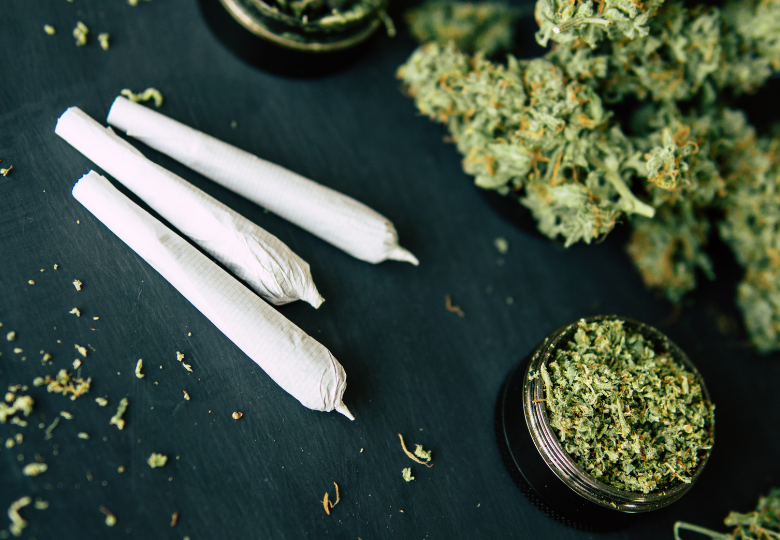



In short: A joint contains only cannabis rolled in paper, usually with a cardboard filter. A spliff mixes cannabis with tobacco in rolling paper. A blunt is rolled in a tobacco leaf, often from an emptied cigar, holds 1 to 3 grams of material and burns more slowly.
The world of collecting cannabis seeds has grown enormously in recent years, and with it the interest in understanding the traditional consumption formats associated with these genetics. For enthusiasts and collectors who want to broaden their knowledge of cannabis culture, it is worth knowing the differences between a joint, a spliff and a blunt: three classic formats that have shaped the cannabis experience for decades.
Each of them has its own characteristics in terms of rolling material, size and composition, and those factors directly influence how the aromatic profiles and properties of different cannabis genetics come across. This article goes through those differences in detail so you can better appreciate the diversity of cannabis culture.
Characteristics of the Traditional Joint
The joint is the purest way of enjoying the aromatic properties of cannabis. It is made with high-quality rolling paper and contains cannabis plant material only, with nothing else mixed in. That purity makes it possible to fully appreciate the terpene profiles and the specific organoleptic characteristics of each genetic variety.
Joints traditionally include a cardboard filter that serves several purposes: it gives the joint structural stability, makes it easier to handle and allows for more controlled consumption. In terms of dimensions, joints tend to be more compact than blunts, which makes them a practical and discreet option.
The advantages of the joint include the complete preservation of the natural flavours and aromas of cannabis, since nothing else interferes with them. It also allows for more precise dosing and full control over the quality of the material used. Its moderate size makes it ideal for individual sessions or small groups.
The Spliff: A Blend of Traditions
The spliff is an interesting cultural fusion that combines tobacco and cannabis in varying proportions, rolled in conventional rolling paper. The mixture creates a distinctive experience, pairing the relaxing properties typical of certain cannabis genetics with the stimulating effects of the nicotine in tobacco.
The flexibility of the ratio is one of the spliff's most defining features. Experienced users can adjust it to their preference: from cannabis-dominant blends that bring out specific terpene profiles, to combinations with more tobacco for a milder and longer-lasting experience.
From an aromatic point of view, the spliff has a complex sensory profile in which the natural terpenes of cannabis intertwine with the aromatic compounds of tobacco. This combination can amplify certain aspects of some genetics, especially those with earthy or spicy profiles, while it may mask the more delicate nuances of fruity or floral varieties.
The Blunt: A Large-Format Tradition
The blunt stands out for its distinctive construction using natural tobacco leaves as the rolling material, traditionally taken from commercial cigars that are unrolled and refilled with cannabis. The technique results in a product considerably larger than a conventional joint.
The natural tobacco leaves give the blunt its own character: they burn more slowly and evenly, they can hold large amounts of plant material, and they add earthy, robust flavours that go particularly well with genetics that have intense terpene profiles.
The greater capacity of the blunt makes it the preferred choice for group sessions or special occasions. It can hold between 1 and 3 grams of material depending on the size of the leaves used, which allows for a prolonged, shared experience lasting considerably longer than a traditional joint.
Materials and Quality
The choice of rolling material significantly influences the final experience. Rolling papers vary in thickness, porosity and composition: from ultra-thin papers that barely interfere with natural flavours, to thicker options that provide greater stability but may add flavours of their own.
For blunts, the quality of the tobacco leaves is crucial. Unprocessed natural leaves offer the most authentic experience, while commercial wraps provide greater consistency and ease of use. Some collectors prefer organic leaves without chemical additives in order to preserve the purity of the cannabis aromatic profile.
With spliffs, the choice of tobacco matters just as much. Mild pipe tobaccos can complement delicate genetics, while more robust varieties can balance out very potent genetics or those with dominant terpene profiles.
Cultural and Geographic Aspects
Each format has specific cultural roots reflecting the cannabis traditions of different regions. Joints dominate in North American culture, where the purity of cannabis is especially valued. Spliffs are more prevalent in Europe, where mixing with tobacco has historically been common. Blunts originated in urban communities and are associated with celebrations and social gatherings.
These cultural differences have shaped the development of specific accessories and techniques for each format, from specialised papers to rolling tools designed to get the most out of each experience.
For cannabis seed collectors, understanding these traditional methods enriches the appreciation of the genetics they keep as collection specimens, since each format can highlight different aspects of the aromatic profiles and organoleptic characteristics unique to every variety.