


 English (English)
 Deutsch (German)
 Čeština (Czech)
 Italiano (Italian)
 Hrvatski (Croatian)
 Română (Romanian)
 български език (Bulgarian)
 Magyar (Hungarian)
 Español (Spanish)
 Français (French)
 Nederlands (Dutch)
 Polski (Polish)
 Slovenčina (Slovak)
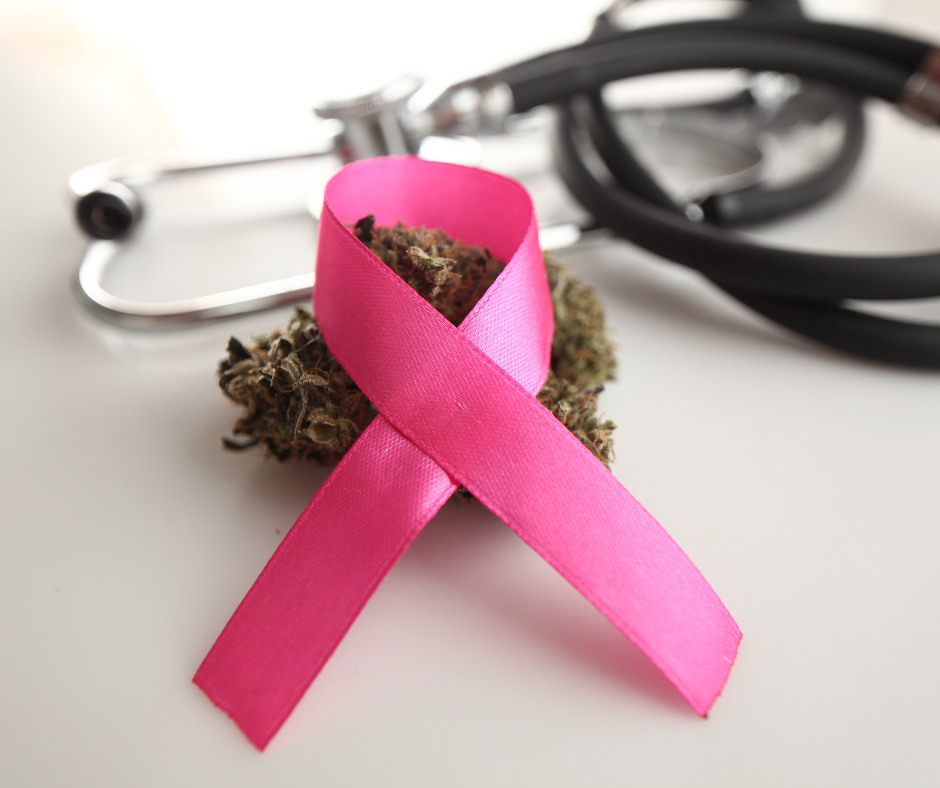



The article focuses on how to use cannabis in the treatment of diseases. In the first part, we will focus on migraines, depression, insomnia, stress, nausea, and anorexia.
Table of Contents:
Cannabis and migraines
Most of us suffer from either occasional or frequent headaches. In such cases, people feel tension and exhaustion in the head, but real migraines can be very intense, even depressing. A smaller percentage of the population suffers from real migraines. Migraines can manifest daily, or only rarely, perhaps once or twice a year. The attacks experienced by the sufferer can be described as pincers penetrating the head, which can last from three to four hours, or even three to four days.
From a medical perspective, migraines can be described as spasms of the blood vessels leading to the brain; they constrict, reducing blood flow to the brain and consequently lowering oxygen levels. The symptoms of this process are the migraines themselves.
Current medicine is still unsure about the origin of migraines, but studies focus on specific points:
- the possibility of a genetic origin
- foods and allergens as migraine triggers
- the influence of temperature and pressure
- the role of nicotine and caffeine, which can promote migraines
- migraines mostly affect women, and this fact may indicate that hormonal changes could be a trigger
When a person suffers from a migraine, approximately half an hour before the headache begins, a so-called aura appears. For some people, these auras manifest as a metallic smell and peripheral flashes of light. Sometimes the aura can be very subtle, manifesting as a grumpy mood and sensitivity to sound. When the migraine, a severe headache, sets in, it can cause vomiting, difficulty walking, and speaking.
To alleviate a migraine, it is good to stay in a cool, dark place, avoid surrounding noise, and apply compresses to the head. However, there are also prescription medications that help against migraines, including for example, Midrin or Imitrex. All of them dilate blood vessels; unfortunately, they can be so strong that they cause fainting and disorientation.
Cannabis preparations were prescribed for migraines in England and America during the 19th century.
Cannabis is effective when inhaled, using a vaporizer or sublingually (under the tongue), and is most effective when combining all three methods.
The cannabinoids contained in marijuana have anti-inflammatory (reducing burning), analgesic (pain-relieving), and antemetic (anti-nausea) properties. Cannabis also helps alleviate the shoulder muscle spasms that accompany migraines. A healthy dose of marijuana is under one gram; in the case of tincture, 3-4 drops. Such an amount provides relief for up to six hours.
Cannabis and insomnia
Depression is closely related to insomnia. Insomnia is a clinical condition defined as "the inability to get sufficient quantity or quality of sleep". The problem can be with falling asleep, staying asleep, or both. People with insomnia do not feel refreshed after waking up, but rather tired.
Insomnia is a common symptom affecting millions of people. It can be caused by various problems, conditions, diseases, and circumstances. It is divided into three specific types.
These types are ordered from the least unpleasant to the most debilitating:
- transient insomnia
- acute insomnia
- chronic insomnia
Those suffering from chronic insomnia may experience hallucinations and feel physical fatigue. Transient insomnia is the least concerning and may involve mild problems with motor skills, with sufferers experiencing sleepiness during the day. Those suffering from this debilitating condition either have great difficulty falling asleep or frequently wake up during the night and cannot get back to sleep. This lack of sleep then affects them the next day, and the next day, and the next day, creating a cycle.
Typically, women and men over 64 years old suffer from insomnia. Besides them, for example, another 60 million Americans of all age categories have to deal with this problem. Very often, we can see doctors prescribing sedatives for insomnia. 70% of patients report fatigue and problems waking up during the night, and another 8% of patients develop a dependency on the prescribed medications.
Many US states allow the prescription of medical marijuana for insomnia. Marijuana has been shown to be a very effective remedy for insomnia. Cannabis, unlike most commonly prescribed medications, does not cause users to feel groggy upon waking and does not cause addiction. Another significant advantage is that marijuana does not cause organ damage. Most doctors who prescribe medical marijuana for insomnia recommend indica strains.
The reason is that cannabis indica typically has a lower concentration of the active substance THC than its counterpart, sativa, which leads to a calming of brain activity. Furthermore, many patients of this type have insomnia caused by physical pain, for example from past injuries or chemotherapy. Cannabis indica is very effective against chronic pain.
Cannabis and depression
According to the Journal of the American Medical Association, more than 130 million prescriptions for antidepressants were written in 1998. Recently, tests on water in Arlington were conducted, which discovered trace amounts of Prozac, an active substance against depression. Both of these statements are signs that depression is a serious problem in the United States.
But what actually is depression? Isn't it just a sign of sadness? No. Clinical depression can be caused by a number of factors, and deep sadness is only one of the symptoms. The most common causes of depression are biological, where a chemical imbalance literally occurs in the brain. Other biological factors include PMS (premenstrual syndrome) and PMDD (premenstrual dysphoric disorder), as well as postpartum imbalance and menopause. Knowing these facts, it should come as no surprise that women are twice as prone to depression as men.
Other factors causing depression are genetically conditioned. Depression also comes in a form formerly known as "manic-depressive psychosis", i.e., "Bipolar disorder", where the patient alternates between depressive and manic states. Alcohol consumption, especially excessive drinking, can also lead to depression.
In most cases of treated depression, prescription medications such as Paxil, Prozac, and Zoloft are administered. Recent information, however, has pointed to cannabis as another possible treatment that is equally effective and, moreover, without side effects such as insomnia and sexual dysfunction.
Cannabis is used for relaxation, promotes good sleep, and minimizes insomnia arising from depression. It also calms anxiety, and since it has euphoric properties, it promotes a good mood. In patients with bipolar disorder, depressive episodes occurred less frequently, and patients generally felt more stable.
Medicine dealing with marijuana debates which types of cannabis are most suitable for treating depression. Each patient must assess this themselves, especially because every case of depression is unique. But generally speaking, Indica strains are more relaxing, while Sativa strains are more uplifting.

Cannabis and stress
There is ongoing debate about whether medical marijuana is effective in treating post-traumatic stress disorder (PTSD). Nevertheless, some states allow the prescription of cannabis for patients with this disorder. Further studies are still being conducted, and conclusions are leaning towards the fact that marijuana is a fully-fledged remedy in the treatment of PTSD.
It is estimated that 25% of all medical marijuana is used by military veterans. Many of these veterans suffer from PTSD acquired from traumatic combat experiences. However, only a few of them use explicitly prescribed medical marijuana.
Patients diagnosed with PTSD advocate for medical marijuana by claiming that they do not use it to lose control of their bodies and that there is a big difference between smoking marijuana in college dorms and the responsible use of medicinal cannabis for treating and reducing unpleasant symptoms.
Research conducted has shown that the joyful and uplifting properties of cannabis sativa are suitable for treating PTSD.
Cannabis and nausea
Nausea is not a health condition in itself, but it is a common symptom associated with cancer, epilepsy, and multiple sclerosis. The disease itself sometimes causes extreme nausea and vomiting. Some medications used for treatment and chemotherapy can also trigger this reaction.
Cancer patients undergoing chemotherapy represent the largest group of people commonly given cannabis for nausea. It also stimulates the appetite.
However, cannabis is also used to relieve various types of nausea, for example, morning sickness.
Pregnant women are commonly given medications that cause morning sickness, while marijuana can be used via a vaporizer and not cause nausea. But is marijuana safe for pregnant women and their children?
Studies in Jamaica showed no differences between newborns up to one month old from mothers who used marijuana and those who did not. However, cannabis prescribed as an antiemetic is intended primarily to alleviate nausea from chronic diseases.
Cannabis and anorexia
Anorexia nervosa, known to most people simply as "anorexia", is a psychiatric illness that causes eating disorders and is characterized by a distorted body image, low body weight, excessive exercise, voluntary starvation, and the use of diet pills. It is generally known that approximately 90% of the population suffering from anorexia are women.
In clinical language, anorexia is defined as "an acute loss of appetite, often associated with psychological factors", from which it logically follows that cannabis and its cannabinoid substances are effective in the therapy and treatment of anorexia because they stimulate the appetite.
Because anorexia is a psychological disorder that manifests physically, cannabis use can unfortunately also be ineffective. Cannabinoids have been shown to have little success in suppressing appetite in patients with classical anorexia, despite successful treatment in HIV/AIDS where cachexia, the loss of appetite, is present.
There are synthetic THC pills, known as Marinol, which can be used as appetite stimulants.
However, doctors can lose their license for prescribing these medications to patients with anorexia nervosa unless they suffer from severe weight loss typically associated with AIDS or chemotherapy.
According to research, a positive effect on body weight was observed in fifteen patients with Alzheimer's disease who refused food. Surprisingly, THC also caused a reduction in disturbed behavior.
In patients diagnosed with primary anorexia, no cannabinoid effect was measured, probably because the underlying pathological mechanism is not a loss of appetite.
Image sources: medixa.org, jatodokazu.cz