


 English (English)
 Deutsch (German)
 Čeština (Czech)
 Italiano (Italian)
 Hrvatski (Croatian)
 Română (Romanian)
 български език (Bulgarian)
 Magyar (Hungarian)
 Español (Spanish)
 Français (French)
 Nederlands (Dutch)
 Polski (Polish)
 Slovenčina (Slovak)
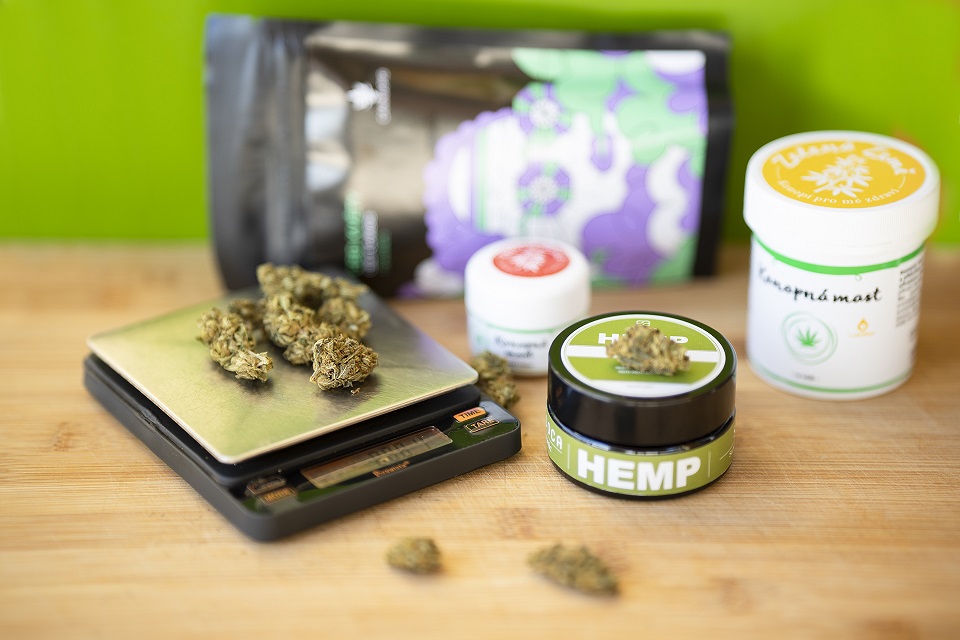



Hemp balm is one of the most valued natural cosmetic preparations that collectors can make themselves using the aroma profile of their collector hemp seeds. This traditional recipe allows you to utilize the unique genetic properties of hemp and its rich terpene-cannabinoid profiles to create a high-quality balm with extraordinary aromatic properties.
Genetic basis and chemical composition of hemp balm
The effectiveness of hemp balm depends on carefully selected hemp genetics used in the preparation. The best results are achieved by combining leaves and flowers that contain a rich spectrum of active compounds:
Cannabinoids - CBD (cannabidiol) as the primary non-psychoactive compound, known for the calming properties of the genetics, accompanied by smaller amounts of CBG, CBN, and other cannabinoids.
Terpenes - Aromatic compounds such as myrcene, limonene, and pinene, which contribute to the characteristic scent and can enhance the entourage effect typical of certain strains.
Flavonoids - Natural antioxidants that contribute to the stability of the preparation and its protective properties.
For collectors exploring various CBD genetics, it is important to understand how different strains contribute to the final aroma profile of the balm.
Step-by-step preparation of traditional hemp balm
Required materials and genetic material
Base component:
- 1 kilogram of pharmaceutical petroleum jelly (white or yellow)
Plant genetic material:
- 500 ml of dry leaf material from collector genetics
- 250 ml of dried CBD flowers with high cannabidiol content
Detailed process of active compound extraction
First day - First extraction
Melt half a kilogram of petroleum jelly in a larger container in a water bath. Coarsely chop the plant material to release terpenes and cannabinoids. Add the chopped leaf material to the melted petroleum jelly and stir continuously for 20 minutes at a moderately high temperature. Add a small amount of water and boil for another hour and a half. After completion, let the mixture cool without stirring and place it in the refrigerator overnight.
Second day - Formation of the base mass
Carefully remove the thickened fatty layer from the surface and pour off the liquid and plant residue. Squeeze excess water from the fatty layer, mix the resulting "dough" shall thoroughly, and place it in another container with a loosely fitting lid. Let it ferment for 2-3 weeks in a dark place until mold forms and alcoholic fermentation begins, releasing additional active compounds.
Third week - Final enrichment
Melt the matured mixture in a water bath and pass it through a sieve. Add the remaining half a kilogram of petroleum jelly and cannabinoid-rich CBD flowers, finely ground. Boil in a water bath for 30-60 minutes with occasional stirring until foam begins to form, indicating that the cannabinoids have been activated. Let the mass cool and store it in a cool, dark place.
Fourth and fifth weeks - Multiple treatments
Repeat this procedure twice more at one-week intervals - heat in a water bath and allow the mass to cool between treatments.
Final activation of cannabinoids
After two weeks, heat the balm above 110 °C, which allows the maximum release of CBD and other cannabinoids from the genetic material. Pass the mass through a clean cloth and pour it into smaller containers. Let it solidify until the final consistency is reached.
Properties of different genetics in hemp balm
Sativa-dominant genetics are known for their energizing terpene profiles, which can give the balm refreshing aromatic properties. These genetics generally contain more limonene and pinene.
Indica-dominant strains give the balm calming properties thanks to their high content of myrcene and other soothing terpenes. These genetics are particularly valued for evening aromatherapeutic use.
Hybrid genetics allow combining the best properties of both types, creating a balanced aroma profile suitable for various purposes.
For collectors exploring feminized genetics, it is important to note that female plants generally provide a richer content of active substances suitable for balm preparation.
Optimal storage and quality preservation
Storage temperature is crucial for the stability of cannabinoids and terpenes. The ideal temperature is between 2-8°C, which means refrigerated storage.
Protection from light - UV rays can degrade active compounds, so use dark containers or store the balm in a dark place.
Hygiene awareness - Always use clean tools when taking balm to avoid microbiological contamination that could spoil the preparation.
Properly packaged hemp balm can retain its properties for 12-18 months, making this traditional recipe very practical for long-term aromatherapeutic use.
Aromatherapeutic use of different genetic profiles
Hemp balm made from collector genetics has versatile applications in aromatherapy. The terpene profiles of different strains make them suitable for:
- Cosmetic care - Moisturization and skin protection thanks to natural fats and antioxidants
- Aromatherapeutic body massage - Relaxing effects of specific terpene profiles
- Traditional application - Use according to traditional recipes for various ailments
- Aroma research - Exploring the aromatic properties of different genetics
This traditional recipe is an excellent way for collectors to explore the diverse world of hemp genetic materials and their unique aromatic characteristics while honoring heritage craft of natural preparations.