


 English (English)
 Deutsch (German)
 Čeština (Czech)
 Italiano (Italian)
 Hrvatski (Croatian)
 Română (Romanian)
 български език (Bulgarian)
 Magyar (Hungarian)
 Español (Spanish)
 Français (French)
 Nederlands (Dutch)
 Polski (Polish)
 Slovenčina (Slovak)
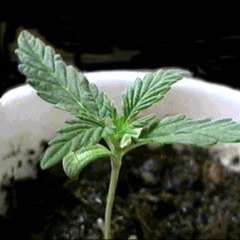



Understanding cannabis genetics is not rocket science; it just requires mastering fundamental botanical principles. Any collector of collectible seeds, whether novice or expert, sometimes wonders about the genetic particularities of their varieties. The key lies in the ability to identify genetic characteristics and understand complex aromatic profiles.
These 6 proven tips will allow you to grasp the majority of technical aspects concerning cannabis genetics. Let's explore this fascinating botanical diversity together!
1. Genetic Thermosensitivity: Understanding Climatic Needs
The optimal temperature is a determining factor in genetic expression. Cannabis varieties generally present specific climatic adaptation profiles, with an ideal range between 20-26°C for the optimal expression of their characteristics.
Why is excessive heat a problem?
- Heat stress - Sensitive genetics may see their terpenes degrade under the effect of excessive temperature
- Modification of aromatic profiles - Exposure to intense heat can alter the natural chemical composition
- Reduced phenotypic expression - Genetic characteristics can be masked by environmental stress
Understanding genetic adaptations
✅ Tropical-origin varieties - Generally more tolerant of high temperatures thanks to their genetic heritage
✅ Northern genetics - Adapted to cooler climates, sensitive to excess heat
✅ Modern hybrids - Often selected for their resistance and climatic adaptability
✅ Autoflowering genetics - Derived from Cannabis ruderalis, naturally adapted to variable conditions
2. Photosensitivity and Genetic Expression: The Importance of the Light Spectrum
Lighting directly influences the expression of genetic characteristics. Each variety has specific light requirements that determine the optimal expression of its hereditary traits.
How do genetics react to light?
- Photoperiodism - Traditional varieties depend on light cycles to trigger their flowering
- Light intensity - Influences the production of cannabinoids and terpenes
- Light spectrum - Different wavelengths activate specific genetic responses
Light requirements by genetics:
- Equatorial sativas - Accustomed to high and constant light intensity
- Mountain indicas - Adapted to more moderate light conditions
- Commercial hybrids - Selected to adapt to different lighting conditions
- Autoflowering varieties - Independent of photoperiodism thanks to their ruderalis genes
💡 Technical point: Modern feminized collectible seeds often combine several genetic lines to optimize light adaptation.
3. Genetic Resistance to Pathogens: Natural Selection and Hybridization
Substrates constitute complex environments for genetic expression. This is why certain genetics have developed natural resistances to pathogens and biotic stresses.
Genetic defense mechanisms
✅ Hereditary resistance - Certain lines possess mold resistance genes
✅ Production of defensive terpenes - Monoterpenes like pinene have antimicrobial properties
✅ Morphological structure - Internodal spacing and foliar architecture influence air circulation
✅ Hybrid vigor - F1 crosses often exhibit increased resistance
Most concerning pathogens:
- Botrytis cinerea (grey mold)
- Powdery mildew
- Fusarium and other root fungi
- Various bacterial strains
Modern collectible seeds are often the result of breeding programs aimed at strengthening these natural resistances while preserving aromatic profiles and cannabinoid concentrations.
4. Humidity and Terpene Expression: The Chemical Balance
Atmospheric humidity plays a crucial role in the expression of terpene profiles. These volatile aromatic compounds, responsible for the characteristic scents of each genetic, are sensitive to hygrometric variations.
Influence of humidity on plant chemistry
- Terpene synthesis - Optimal humidity (50-60%) promotes the production of monoterpenes
- Aromatic volatilization - Dry conditions can lead to a loss of the most volatile compounds
- Secondary metabolism - Humidity influences the biosynthesis of cannabinoids
- Cellular integrity - Trichomes, structures containing the active principles, are sensitive to hygrometric variations
Genetic profiles and hygrometric needs
Each genetic family presents specific adaptations:
- Tropical varieties - Tolerate high humidity thanks to their equatorial origin
- Arid genetics - Adapted to dry environments, like certain varieties from North Africa
- Temperate hybrids - Balanced to adapt to variable conditions
5. Genetic Nutrition: Specific Needs by Lineage
The different cannabis genetics present distinct nutritional needs, inherited from their evolutionary adaptations to the soils of their regions of origin.
Genetic variations in nutrient assimilation
✅ Equatorial sativas - Generally more demanding in nitrogen, adapted to the rich soils of tropical regions
✅ Afghan indicas - Adapted to poorer soils, more economical nutritional metabolism
✅ Ruderalis - Extremely rusttic, capable of thriving in limited nutritional conditions
✅ Modern hybrids - Selected to optimize nutritional efficiency
Genetic markers of nutritional quality
The observation of collectible seeds can reveal clues about the nutritional needs of the genetic:
- Seed size - Large seeds contain more nutritional reserves
- Color and mottling - Indicators of maturity and nutrient richness
- Shell hardness - A sign of good mineralization during maturation
6. Phenotyping and Genetic Diversity: Understanding Variable Expression
Even within the same variety, collectible seeds can express different phenotypes, reflecting the natural genetic richness of cannabis.
Factors influencing phenotypic expression
- Genetic heterogeneity - Each seed carries a unique combination of alleles
- Epigenetics - The environment can activate or deactivate certain genes
- Dominance and recessivity - Dominant traits express more easily
- Polygenism - Many traits result from the interaction of multiple genes
Selection and genetic conservation
Collectors of collectible seeds contribute to preserving the genetic diversity of cannabis. This biodiversity constitutes an inestimable botanical heritage, a source of future developments in plant breeding.
Conclusion: Understanding cannabis genetics requires a holistic approach, taking into account environmental factors, plant chemistry, and heredity. These 6 fundamental principles allow one to grasp the fascinating complexity of these collectible genetics, true treasures of plant biodiversity.