


 English (English)
 Deutsch (German)
 Čeština (Czech)
 Italiano (Italian)
 Hrvatski (Croatian)
 Română (Romanian)
 български език (Bulgarian)
 Magyar (Hungarian)
 Español (Spanish)
 Français (French)
 Nederlands (Dutch)
 Polski (Polish)
 Slovenčina (Slovak)



The Main Cannabis Pests: A Collector's Guide
In the fascinating world of collecting cannabis seeds, understanding the potential threats to this precious genetic material proves essential. Although we are interested purely in the theoretical and botanical aspects of these collector's seeds, it is important to know the factors that can affect the genetic integrity of plant specimens.
Pests represent one of the main threats to the preservation of the genetic characteristics of cannabis plants. These harmful organisms cause considerable stress that can alter the plant's aromatic profiles and natural chemical composition, thereby compromising the collector's value of the genetic material.
More than 100 different pathologies can theoretically affect cannabis plants around the world, although only about a dozen are genuinely worrying for the integrity of the genetic heritage. Understanding these threats allows collectors to appreciate the complexity and fragility of their specimens.
Classification of Pest Threats
Harmful organisms are divided into two main categories: biotic factors (living organisms) and abiotic factors (non-living environmental factors). This distinction is crucial for understanding the mechanisms acting on the genetic material.
Abiotic factors generally result from nutritional deficiencies or contamination of the water system, while biotic organisms can appear unpredictably. Some pests survive in the substrate, others spread through the air, creating unique challenges for the preservation of genetic characteristics.
Plants undergo major genetic stress when they are exposed to:
- Inadequate water conditions
- Insufficient lighting
- Significant temperature fluctuations
- Poor ventilation
Aphids: The First Invaders
Aphids represent the most common form of biotic infestation. These flying insects, naturally present during the summer months, come in several colors: green, yellow, black, brown or red. Their ovoid shape and small size sometimes make them difficult to detect.
These pests use their piercing mouthparts to extract plant sap, thereby compromising the plant's nutritional integrity. They usually colonize the underside of the leaves, forming large colonies that can significantly alter the specimen's chemical composition.
The reproductive cycle of aphids is particularly worrying: they reach maturity in just 7 to 10 days, and each female can produce 40 to 60 offspring during her lifetime. This explosive reproductive capacity can quickly compromise the integrity of a collector's specimen.
The honeydew produced by aphids creates conditions favorable to the development of saprophytic fungi, adding a further dimension to the threat they pose to the preservation of genetic characteristics.
Mites and Other Microscopic Threats
Plant-feeding mites constitute a distinct category of pests, more closely related to arachnids than to insects. Their morphology is characterized by four pairs of legs and an ovoid body. Their ability to weave silky webs is a visual indicator of their presence.
These microscopic organisms, measuring less than 0.4 mm at maturity, are practically invisible to the naked eye. However, the silky structures they produce betray their presence and can disrupt gas exchange in the leaves, potentially affecting the synthesis of terpenes and other aromatic compounds.
Warm, dry climatic conditions, particularly when temperatures exceed 20°C, favor their development. The females lay their eggs on the underside of the leaves, perpetuating the infestation cycle over several generations.
Whiteflies and Thrips
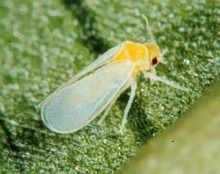
Whiteflies, easily identifiable by their characteristic color and their size of about 2 mm, behave similarly to mites. Their feeding activity causes light-colored spots to appear on the upper side of the leaves, evidence of the extraction of essential nutrients.
Thrips, for their part, are small winged insects particularly attracted to plant sap. Their impact on plant physiology can modify the production of cannabinoids and alter the characteristic chemical profile of the different genetics.
Preservation Strategies for Collectors
Early detection is the key element in preserving the genetic material. Regular inspection of the specimens, particularly the underside of the leaves, makes it possible to quickly identify signs of infestation.
The natural fatty acids contained in certain soaps offer a gentle solution for treating affected areas. These compounds disrupt the cell membranes of the pests without compromising the integrity of the plant material, thus preserving the specimen's genetic characteristics.
The use of biological helpers, such as ladybugs, represents an ecological approach to controlling aphid populations in natural environments, although their effectiveness remains limited against massive infestations.
Understanding these pest mechanisms enriches collectors' appreciation of the biological complexity of their collector's seeds, underlining the importance of preserving these unique genetic resources for future generations.