


 English (English)
 Deutsch (German)
 Čeština (Czech)
 Italiano (Italian)
 Hrvatski (Croatian)
 Română (Romanian)
 български език (Bulgarian)
 Magyar (Hungarian)
 Español (Spanish)
 Français (French)
 Nederlands (Dutch)
 Polski (Polish)
 Slovenčina (Slovak)
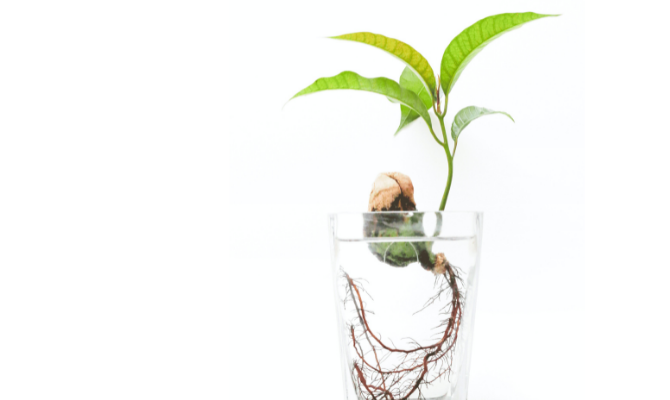

In short: Hydroponics grows plants in sterile media such as coco coir, rockwool or clay pebbles, with nutrients delivered in water. Keep pH between 5.5 and 6.5, sow seeds 1.5–2 cm deep in moistened rockwool, and give 18–24 hours of light with lamps at least 20 cm above the canopy.
| Optimal pH range | 5.5 – 6.5 |
|---|---|
| Seed placement depth | 1.5 – 2 cm in a rockwool cube |
| Cube moisture | Bottom 20–30 % constantly moist, top never fully submerged |
| Light period (vegetative stage) | 18 – 24 hours per day |
| Minimum lamp distance | 20 cm above the highest plant parts |
| Spacing between specimens | 20 – 40 cm |
Hydroponic cultivation represents a fascinating approach in which collector seeds are grown in sterile growing media such as coco coir, rockwool or clay pebbles. Instead of traditional soil, the genetic specimens receive all their essential nutrients through carefully composed water solutions. This method offers unique advantages for studying cannabis genetics and observing aromatic profiles.
Fundamentals of Hydroponic Systems
The word 'hydro' refers to water, and that is indeed the basis of this growing method. Plants consist of 80% to 95% water, with the remaining components made up of carbon, oxygen and hydrogen. The genetics can absorb nutrients from both air and water through the root system. For collecting purposes, hydroponic cultivation offers a controlled environment in which to study the characteristics of different cannabis strains.
The key to success lies in maintaining the correct pH value and balanced nutrition. A balanced acidity is crucial for optimal nutrient uptake. When the pH is too high, the genetic specimens struggle to absorb nutrients, which can hinder their development. Every cannabis strain needs specific nutrient elements for the optimal expression of its genetic potential.
Essential Nutrient Elements
Several macronutrients and micronutrients are essential for the optimal development of collector seeds:
- Nitrogen (N) - Fundamental for leaf development and chlorophyll production
- Phosphorus (P) - Crucial for root development and energy transport
- Potassium (K) - Supports overall plant health and resistance
- Calcium (Ca) - Important for cell wall structure
- Magnesium (Mg) - A central element in chlorophyll
- Sulphur (S) - Essential for protein formation
- Trace elements such as zinc, iron and selenium for enzymatic processes
When cannabis genetics are maintained under optimal hydroponic conditions, the aromatic profiles and terpene production can develop fully, which is valuable for collecting purposes and genetic research.
Popular Hydroponic Systems for Cannabis Collections
Hydroponic setups require considerably less space than traditional soil cultivation, allowing specimens to be placed closer together (20-40 cm apart). However, some cannabis strains known for their robust growth need more space for optimal development of their genetic traits.
Main Hydroponic Methods
- Aeroponics - Roots hang in the air and receive nutrients through misting
- Deep Water Culture (DWC) - Roots in an oxygen-rich nutrient solution
- Drip system - Controlled feeding through drip lines
- Ebb & Flow - A tidal system with periodic flooding
- NFT (Nutrient Film Technique) - A continuous thin film of nutrient solution
The Ebb & Flow System in Detail
The Ebb & Flow system is particularly suited to studying cannabis genetics thanks to its reliability and simple maintenance. This system works on a cyclical principle in which nutrient solution periodically floods the root zone and then drains away again.
The operation is elegant in its simplicity: a reservoir of nutrient solution sits beneath the grow trays. A timer activates a small pump that pumps the nutrient solution upward, submerging the roots of the collector seeds. After a few minutes the timer switches off, and the solution flows back into the reservoir. This cycle repeats several times a day, depending on the growth stage and environmental factors.
Optimal Growing Conditions for Cannabis Genetics
Lighting Specifications
For indoor hydroponic collections, HID lamps (High Intensity Discharge) are often preferred because of their full spectrum, which supports both vegetative growth and flower formation. These lamps can be used universally across different stages of cannabis development, allowing the full expression of genetic traits.
An important consideration with HID lighting is heat management. These lamps produce significant amounts of infrared light, which requires effective ventilation to prevent temperature stress that could affect the development of terpene profiles.
Growing Medium Selection and Start-up Procedure
For hydroponic cannabis collections, sterile growing media such as rockwool cubes are ideal. They provide a clean, controlled environment for studying genetic traits without the variables that would be introduced by soil composition.
The start-up process begins with moistening the rockwool cubes and making small openings for the collector seeds. The seed is placed at a depth of around 1.5-2 cm. The bottom 20-30% of the cube must stay constantly moist, while the top part should never be fully submerged, to prevent mould growth.
Vegetative Development Stage
During the vegetative stage, cannabis strains develop their characteristic leaf structure and their unique aromatic profiles begin to take shape. For collecting purposes, this is a crucial period for observing and documenting the genetic traits.
Light distance is critical - lamps should hang at least 20 cm above the highest plant parts to prevent light stress, which could disrupt the natural development of cannabinoids and terpenes. During this stage, 18-24 hours of light is optimal for robust vegetative growth.
Regular monitoring of pH values (ideally between 5.5-6.5) and EC values ensures that the genetics can develop according to their natural potential, which is essential for the reliable characterisation of collection specimens.