


 English (English)
 Deutsch (German)
 Čeština (Czech)
 Italiano (Italian)
 Hrvatski (Croatian)
 Română (Romanian)
 български език (Bulgarian)
 Magyar (Hungarian)
 Español (Spanish)
 Français (French)
 Nederlands (Dutch)
 Polski (Polish)
 Slovenčina (Slovak)
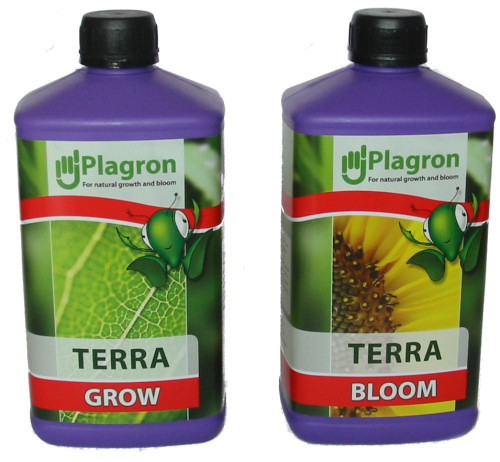



Professional cultivation of cannabis genetics requires a deep understanding of plant nutrition specific to each stage of development. Seed collectors who want to understand the full potential of their genetics need to master the fundamental principles of plant feeding, especially the nutritional differences between the vegetative phase and flowering.
The correct nutrient ratio can completely transform the development of a genetic line, influencing not only its structural growth but also terpene expression, trichome density and the aromatic characteristics that define each variety. Cannabis genetics, by their specific nature, demand precise nutritional ratios that vary significantly according to their life cycle.
Fundamentals of NPK Macronutrients
The primary macronutrients form the basis of any successful nutritional programme for cannabis genetics. The NPK trio (nitrogen, phosphorus and potassium) makes up 90% of these plants' nutritional needs, but its ratio must be adjusted meticulously according to the stage of development.
Nitrogen: The Engine of Vegetative Growth
Nitrogen is the most critical nutrient during the vegetative phase of cannabis genetics. This element is essential for chlorophyll synthesis, allowing the plant to develop that characteristic deep green colour associated with vigorous plants. During this stage, genetics can absorb considerable amounts of nitrogen to build their leaf structure and develop a robust branch system.
Nitrogen deficiency typically shows up as progressive yellowing that begins on the older leaves, gradually moving up towards the younger leaves. This symptom, known as chlorosis, indicates that the plant is mobilising nitrogen from older tissue to sustain the growth of new shoots.
Phosphorus: Essential for Root and Flower Development
Phosphorus plays a crucial role in root system development and becomes especially important during the transition to flowering. This nutrient facilitates energy transfer within the plant and is essential for the formation of reproductive structures.
Phosphorus deficiencies are characterised by leaves developing purple or reddish tones, especially on the petioles and veins. Genetics deficient in phosphorus may also show slowed growth and less abundant flowering.
Potassium: Regulator of Metabolic Processes
Potassium acts as a regulator of numerous physiological processes, including the opening and closing of stomata, protein synthesis and enzyme activation. During flowering, this nutrient becomes particularly important for the development of dense, resinous floral structures.
Potassium deficiency shows up as scorching of the leaf edges, starting with the older leaves. Genetics deficient in potassium may also show greater susceptibility to pathogens and environmental stress.
Specific Nutrition by Development Stage
Feeding During the Vegetative Phase
During the vegetative phase, cannabis genetics require a nitrogen-rich formulation, typically with NPK ratios such as 3-1-2 or similar. This ratio favours the development of abundant foliage and a solid structural system that will serve as the foundation for future flower production.
Enzymatic supplements and root stimulators are especially beneficial during this stage, as they optimise nutrient absorption and strengthen the root system. A robust root system is essential for success in later stages of development.
Nutritional Transition to Flowering
The transition to flowering requires a gradual change in feeding, progressively reducing nitrogen while increasing phosphorus and potassium. Typical flowering formulations feature ratios such as 1-3-2, prioritising the development of reproductive structures over vegetative growth.
During this phase, it is crucial to maintain strict control of the photoperiod, ensuring a full 12 hours of uninterrupted darkness. Any light contamination during the dark period can stress the genetics and negatively affect their floral development, potentially inducing hermaphroditic traits.
Organic versus Synthetic Fertilizers
The choice between organic and synthetic fertilizers is a fundamental decision that affects both the development of the genetics and the final quality of the plant material. Both approaches have specific advantages that collectors should consider carefully.
Advantages of Organic Fertilizers
Organic fertilizers offer a slow, sustained release of nutrients, creating a more stable environment for the development of the genetics. These products, derived from natural sources such as bat guano, bone meal or compost, first feed the soil's microbial life, which then makes the nutrients available to the plants.
This indirect feeding results in a more complex and balanced nutritional profile, including micronutrients and trace elements that are frequently absent from synthetic formulations. In addition, organic fertilizers improve soil structure and promote greater microbial diversity.
Characteristics of Synthetic Fertilizers
Synthetic fertilizers provide nutrients in forms that are immediately available to plants, allowing for quick correction of nutritional deficiencies. However, this immediate availability can result in nutritional imbalances if they are not applied precisely.
Many synthetic fertilizers contain salts that can build up in the substrate, affecting the pH and electrical conductivity of the growing medium. This salt build-up can interfere with the absorption of other essential nutrients and stress the genetics over the long term.
Nutritional Monitoring and Optimisation
Electrical Conductivity Control
Using electrical conductivity (EC) meters allows precise monitoring of the concentration of dissolved nutrients in the nutrient solution. This tool is invaluable for both hydroponic systems and substrate-based cultivation, providing objective data on the nutritional state of the medium.
Optimal EC values vary depending on the stage of development, typically ranging from 0.8-1.2 during the vegetative phase and 1.2-1.6 during flowering. These values should be adjusted according to the specific characteristics of each genetic line and the growing environment's conditions.
Micronutrient Supplementation
In addition to the main macronutrients, cannabis genetics require various micronutrients such as calcium, magnesium, iron, manganese and zinc. These elements, although needed in smaller quantities, are essential for specific metabolic processes and the optimal expression of genetic characteristics.
Supplements based on molasses and other complex carbohydrates feed the beneficial microbiology of the substrate, creating an ecosystem that favours nutrient absorption and resistance to pathogens. These products are especially valuable during the final weeks of flowering, when energy demand reaches its peak.