


 English (English)
 Deutsch (German)
 Čeština (Czech)
 Italiano (Italian)
 Hrvatski (Croatian)
 Română (Romanian)
 български език (Bulgarian)
 Magyar (Hungarian)
 Español (Spanish)
 Français (French)
 Nederlands (Dutch)
 Polski (Polish)
 Slovenčina (Slovak)
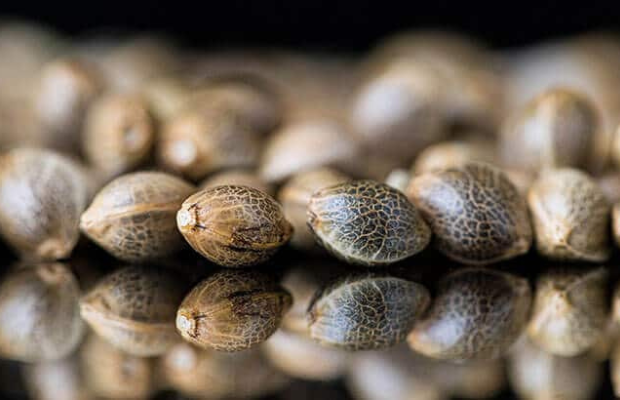



The selection of collectible cannabis seeds represents the foundation for appreciating the full range of available genetics on the market. In today's landscape, seed banks offer an ever-growing variety of genetic material, each with unique aromatic characteristics and chemical profiles. How to navigate this wealth of options? What parameters should be considered when choosing? In this comprehensive guide, we will explore all the fundamental aspects of selecting the best collectible seeds:
- Visual characteristics that indicate superior genetic quality
- Differences between feminized and regular seeds for collectors
- Indoor vs outdoor genetics: profiles and adaptability
- Autoflowering vs photoperiod: understanding biological cycles
- Cannabinoid profiles and chemical composition of varieties
- Genetic potential and productive characteristics of the lines
Recognizing Genetic Quality in Collectible Seeds
The physical appearance of seeds provides valuable indications about the quality of the genetic material. High-quality seeds display distinctive visual characteristics that testify to their health and potential:
First of all, premium seeds show a glossy and uniform surface, free of cracks or damage that could compromise their integrity. The consistency should feel firm to the touch, indicating proper maturation.
The typical coloration ranges from light brown to dark brown, often with characteristic streaks that may be darker or lighter than the base color. These markings represent a distinctive sign of full maturity.
The size should be relatively uniform within the same batch, a sign of careful selection. Superior genetic material maintains a germination potential of 95% for several years if stored correctly under optimal temperature and humidity conditions.
Feminized vs Regular Seeds: Understanding Genetic Differences
The distinction between feminized and regular genetics represents one of the most important factors in selection for experienced collectors.
Feminized seeds feature a genetic modification that guarantees a 99% probability of developing female plants. This characteristic makes them particularly interesting for those who wish to study the typical aromatic and chemical profiles of female inflorescences.
In contrast, regular seeds maintain the original unmodified genetics, with a natural 50% probability for each sex. These seeds are fundamental for understanding the natural biodiversity of the species and for appreciating authentic genetic characteristics.
Advantages of Feminized Genetics
Feminized varieties offer several advantages for collectors:
- Almost total guarantee of obtaining female specimens
- Ideal for those starting to collect genetics
- Allow focusing on female aromatic profiles
- No early sex identification required
Characteristics of Regular Genetics
Regular seeds offer unique advantages:
- Completely natural and unmodified genetics
- Greater robustness due to original genetic stability
- Possibility of preserving genetic lines through reproduction
- Ideal for breeding programs and varietal conservation
- Maintenance of original genetic characteristics in subsequent generations
Autoflowering vs Photoperiod: Biological Cycles and Adaptability
Understanding the different biological cycles is essential to appreciate the unique characteristics of each genetics. Autoflowering and photoperiod varieties feature completely different flowering mechanisms that influence their chemical and aromatic profiles.
Autoflowering genetics possess an internal biological timer that automatically triggers the flowering phase regardless of light conditions. This genetic trait derives from crossing with Cannabis ruderalis, a subspecies adapted to northern climates with short seasons.
These varieties complete their biological cycle very quickly, often within 8-12 weeks from germination. Some early genetics can even reach maturity in just 6 weeks, representing an absolute record in the botanical world.
Photoperiod varieties, on the other hand, respond to changes in the duration of the light period to trigger flowering. In nature, this mechanism synchronizes with the approach of autumn, when days progressively shorten.
This characteristic allows plants to reach larger sizes during the vegetative phase, developing more complex structures and more articulated terpene profiles.
Cannabinoid Profiles and Chemical Composition
Chemical composition represents one of the most fascinating aspects for cannabis genetics collectors. Cannabinoids are unique chemical compounds that develop in the trichomes of mature plants, giving each variety its own distinctive profile.
Currently, research focuses mainly on two primary cannabinoids: THC and CBD. The former is regulated by legislation as it has psychoactive properties, while the latter is recognized as safe even by the World Health Organization.
Thanks to the free movement of goods within the EU, collectible seeds with different cannabinoid profiles are available under applicable legislation in your country, allowing collectors to study the vast range of existing chemical compositions.
CBD varieties have gained particular scientific interest for their balanced chemical profiles. These genetics typically feature cannabidiol content from 5% up to over 20%, while maintaining THC levels compliant with regulations.
Selection by Environment: Indoor vs Outdoor
The choice between genetics suited for indoor or outdoor environments depends on the specific adaptability characteristics of each line. Some outdoor varieties show particular resistance to climatic variations and have been selected to thrive in variable natural conditions.
Outdoor genetics often develop more robust structures and extensive root systems, naturally adapting to seasonal cycles and external environmental conditions. These varieties tend to develop complex terpene profiles influenced by natural conditions.
Indoor varieties, on the other hand, have been optimized for controlled environments, where parameters such as temperature, humidity, and lighting can be precisely regulated. This environmental control allows the full genetic potential of each variety to be expressed.
Storage and Genetic Potential
Proper storage of genetic material is fundamental to maintaining its properties over time. Superior quality seeds stored correctly maintain their genetic integrity for several years, allowing collectors to preserve rare varieties or those of particular interest.
Ideal storage conditions require cool, consistent temperatures, low humidity, and protection from direct light. These parameters ensure the stability of genetic properties and keep the potential of the biological material unchanged.
For more experienced collectors, understanding the productive potential of different genetic lines adds a further level of appreciation. Some varieties are known for their ability to develop imposing structures rich in resin, while others stand out for the compactness and density of their inflorescences.