


 English (English)
 Deutsch (German)
 Čeština (Czech)
 Italiano (Italian)
 Hrvatski (Croatian)
 Română (Romanian)
 български език (Bulgarian)
 Magyar (Hungarian)
 Español (Spanish)
 Français (French)
 Nederlands (Dutch)
 Polski (Polish)
 Slovenčina (Slovak)
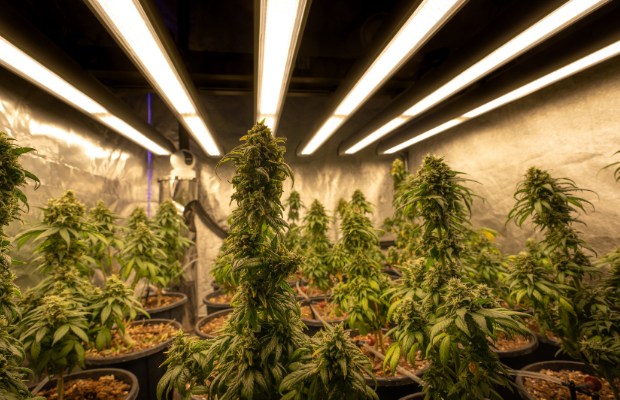

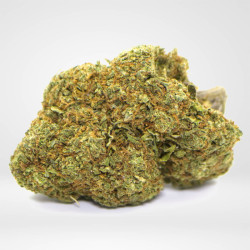

How to properly grow indoors? Indoor cultivation is popular due to full control over conditions. The key is quality light, ventilation, suitable substrate, and the right temperature and humidity, which support healthy plant growth indoors
In short: Indoor results depend on stable light, climate and pH. Hold 24-27 °C in the light phase and 18-21 °C in the dark, run 18/6 during vegetative growth and 12/12 in flowering, and keep pH at 6.0-7.0 in soil, 5.5-6.5 in hydroponics or 5.8-6.2 in coco coir.
| Temperature, light phase | 24-27 °C |
|---|---|
| Temperature, dark phase | 18-21 °C |
| Light cycle, vegetative | 18 hours light / 6 hours dark |
| Light cycle, flowering | 12 hours light / 12 hours dark |
| pH by medium | Soil 6.0-7.0, hydroponics 5.5-6.5, coco coir 5.8-6.2 |
| Light spectrum and CO2 | Blue 400-500 nm (veg), red 620-750 nm (flowering), CO2 800-1200 ppm |
Growing Indoor Cannabis Genetics: A Collector's Perspective
Indoor cultivation of collectible cannabis seeds gives collectors the unique opportunity to retain full control over the development of their genetic material. This method requires solid knowledge of plant physiology and a controlled environment in which aromatic profiles and cannabinoid characteristics can develop optimally.
As a collector of cannabis genetics, you have full control over every environmental factor - from the light spectrum to the fertilization schedule. The biggest challenge lies in perfectly replicating natural sunlight conditions with artificial lighting systems that respect the biorhythm of your genetic material.
Why Indoor Collecting Is Attractive
Indoor cultivation eliminates external variables that can affect genetic expression. This means that the terpene profiles and cannabinoid concentrations can develop according to their genetic potential, without being disrupted by weather conditions or seasonal fluctuations.
Optimal Room Setup for Genetic Development
The choice of your grow room directly determines the quality with which genetic characteristics can unfold. A professionally set up room supports the natural processes that lead to the desired aromatic compounds and cannabinoid production.
Hygiene as the Foundation
Sterile conditions are essential for preserving genetic integrity. Contamination can not only harm the health of your collection but also disrupt the expression of desired traits:
- Sterilize all containers before every new genetic project
- Wear protective gloves when handling genetic material
- Regularly disinfect all tools and equipment
- Maintain strict access protocols for your collection room
Climate Control for Genetic Expression
Stable temperatures are crucial for developing the characteristic terpene profiles that make every strain unique:
- Light phase: 24-27°C for optimal photosynthesis
- Dark phase: 18-21°C for metabolic processes
- Avoid temperature fluctuations that can cause stress
Substrate and pH Management for Collectible Seeds
The quality of your growing medium directly influences how genetic traits develop. A balanced substrate not only supports healthy growth but also maximizes the production of secondary metabolites like terpenes and flavonoids.
pH Levels and Nutrient Uptake
Correct pH levels are essential for optimal nutrient uptake, which directly affects the biosynthesis of cannabinoids and terpenes. Incorrect pH levels can lead to nutrient deficiencies even with adequate fertilization:
- Soil-based media: pH 6.0-7.0 for optimal availability
- Hydroponic systems: pH 5.5-6.5 for direct uptake
- Coco coir: pH 5.8-6.2 for balanced nutrition
💡 Collector's tip: Regular pH monitoring prevents stress that could disrupt the development of desired genetic traits.
Light Spectrums for Genetic Optimization
Light management is the key to successful indoor genetic development. Different growth phases require specific light spectrums to optimize the biosynthesis of the desired compounds.
Vegetative Phase: Blue Spectrum Dominance
During vegetative growth, the genetics need blue light (400-500 nm) for:
- Optimal photosynthetic efficiency
- Compact internode spacing
- Strong cell wall formation that supports later terpene production
The recommended light cycle for this phase is 18 hours of light / 6 hours of darkness, mimicking the naturally long days of spring and early summer.
Flowering Phase: Boosting the Red Spectrum
The flowering phase requires a shift toward red light (620-750 nm) to:
- Stimulate flower formation
- Maximize cannabinoid biosynthesis
- Increase terpene production in the trichomes
During flowering, you switch to 12 hours of light / 12 hours of darkness to simulate autumn conditions, signaling to the genetics that it's time to begin its reproductive phase.
Nutrient Management for Aromatic Profiles
Your fertilization strategy directly influences the development of the terpene and flavonoid profiles that characterize every genetic line. A balanced approach supports both healthy growth and the production of secondary metabolites.
Macronutrients and Genetic Expression
Different growth phases require adjusted nutrient ratios:
- Vegetative: higher nitrogen (N) for leaf development
- Pre-flowering: balanced N-P-K for the transition
- Flowering: increased phosphorus (P) and potassium (K) for flower formation
⚠️ Caution: over-fertilizing can cause nutrient burn and negatively affect terpene production.
Ventilation and Air Quality
Adequate air circulation is essential for maintaining optimal growing conditions and avoiding problems that can disrupt genetic development.
CO2 Levels and Photosynthesis
Elevated CO2 concentrations (800-1200 ppm) can increase photosynthetic efficiency, resulting in:
- Accelerated growth and development
- Increased production of primary and secondary metabolites
- Better resistance to environmental stress
Proper ventilation also removes excess moisture, preventing mold problems that can damage valuable collectible seed genetics.
Monitoring and Documenting Genetic Traits
As a serious collector, it is essential to keep detailed records of:
- Growing conditions: temperature, humidity, pH levels
- Fertilization schedules: type and amount of nutrients used
- Development phases: timing of vegetative and reproductive stages
- Aromatic observations: development of terpene profiles
This documentation helps optimize future projects and understand how different environmental factors influence the expression of genetic traits.