


 English (English)
 Deutsch (German)
 Čeština (Czech)
 Italiano (Italian)
 Hrvatski (Croatian)
 Română (Romanian)
 български език (Bulgarian)
 Magyar (Hungarian)
 Español (Spanish)
 Français (French)
 Nederlands (Dutch)
 Polski (Polish)
 Slovenčina (Slovak)



Cannabis Genetics: Exploring the Diversity of Sativa and Indica
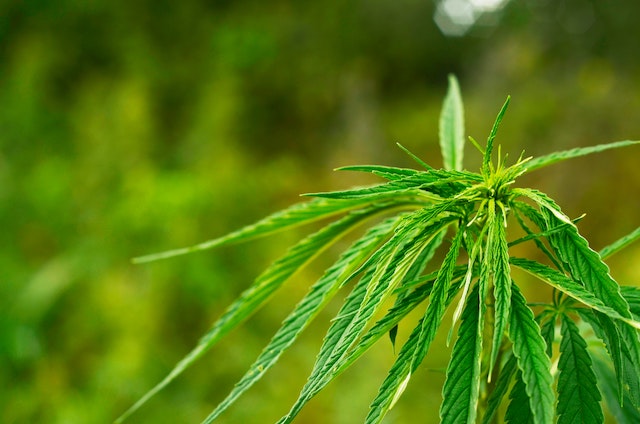
The world of cannabis genetics offers remarkable diversity through two of the most well-known subspecies: Cannabis Sativa and Cannabis Indica. For passionate collectors and genetics experts, understanding the fundamental differences between these two types of genetic material represents essential knowledge. Each of these collectible genetics presents unique characteristics in terms of morphology, chemical profiles, and adaptability to various climatic conditions.
While Cannabis Ruderalis completes the main trio of cannabis species, focusing on the differences between Sativa and Indica gives us a comprehensive perspective on the genetic wealth available to collectors. These genetics have evolved over thousands of years in distinct geographical regions, developing specific adaptive characteristics that make them particularly interesting from a scientific point of view.
Cannabis Sativa: Tropical Elegance in Collectible Genetics
Geographical Origin and Climatic Adaptation
Cannabis Sativa genetics have their origins in the tropical and subtropical regions of South and Southwest Asia, subsequently spreading to Central America and equatorial Africa. This geographical distribution has profoundly influenced the adaptive characteristics of the species, giving it remarkable tolerance to high temperatures and increased humidity.
Sativa genetic material has adapted perfectly to the long light cycles specific to equatorial regions, developing an extended flowering period that can last between 10-14 weeks. This characteristic makes Sativa genetics a fascinating option for collectors interested in slow-developing varieties with complex terpene profiles.
Distinctive Morphology of Sativa Genetics
From a morphological point of view, Cannabis Sativa specimens present an impressive plant architecture. Height can exceed 4 meters under optimal conditions, with a tall and elegant structure characterized by long, thin branches. The leaves feature narrow, elongated segments with 7-11 fine leaflets that give a delicate and airy appearance.
The fibrous and resistant stem demonstrates the adaptability of this genetics to the strong winds of tropical regions. This structural robustness makes Sativa a particularly valuable genetics for hybridizing with other varieties, contributing resistance and vigor in breeding programs.
Chemical Profile of Sativa Genetics
Chemical analysis of Sativa genetic material reveals typically high concentrations of tetrahydrocannabinol (THC), accompanied by moderate levels of cannabidiol (CBD). This chemical composition is the result of long evolution under conditions of thermal stress and long photoperiods, which favored the biosynthesis of certain cannabinoids.
The terpene profile of Sativa genetics is characterized by the predominance of limonene, pinene, and terpinolene, conferring citrus, woody, and floral aromas. These volatile aromatic compounds not only provide distinct olfactory profiles, but also interact synergistically with cannabinoids in a phenomenon known as the "ensemble effect".
Cannabis Indica: The Power of the Mountains in Compact Genetics
The Himalayan Roots of Indica Genetics
Cannabis Indica traces its origins to the rugged mountain regions of the Hindu Kush, an area stretching from Afghanistan to Kashmir. These extreme climatic conditions, with short, intense summers, freezing winters, and large temperature variations, have shaped remarkably resilient and adaptable genetics.
Indica genetic material has evolved to maximize the production of secondary metabolites in a short time, a crucial adaptation for survival in regions with limited growing seasons. This evolutionary pressure has resulted in genetics with rapid maturation cycles and high concentrations of bioactive compounds.
Compact Architecture of Indica Varieties
The morphology of Cannabis Indica contrasts dramatically with that of Sativa genetics. The plants present a compact and dense structure, with heights that rarely exceed 2 meters. Abundant branching and broad leaves with 5-7 leaflets create a dense canopy, optimized for maximum light capture under conditions of reduced irradiation.
This compact architecture is not only an adaptation to harsh mountain conditions, but also an evolutionary strategy for concentrating resources into the production of dense inflorescences rich in glandular trichomes. These microscopic structures are responsible for the biosynthesis and storage of cannabinoids and terpenes.
Complex Biochemical Profile of Indica Genetics
Indica genetics are distinguished by balanced or even predominant proportions of CBD relative to THC, a result of adaptation to chronic stress conditions in their natural habitat. This distinct chemical composition confers unique pharmacological profiles on Indica genetics, of great interest for contemporary scientific research.
The terpene spectrum of Indica varieties presents high concentrations of myrcene, linalool, and caryophyllene, compounds that confer earthy, floral, and spicy aromas. These terpenes not only define the olfactory signature of Indica genetics, but also modulate interactions with the endocannabinoid system through complex mechanisms of molecular synergy.
Implications for Cannabis Genetics Collectors
Hybridization and Development of New Varieties
Combining Sativa and Indica genetics in hybridization programs allows the creation of varieties with blended characteristics, offering collectors access to diverse genetic profiles. Cannapio continuously develops new collectible genetics that exploit this diversity, such as CBD-dominant varieties derived from Indica/Sativa crossings.
The process of stabilizing hybrids requires several generations of selection, during which desirable characteristics are fixed into the genetic material. This breeding work allows the production of varieties with customized chemical profiles and specific morphological characteristics.
Preservation of Genetic Diversity
Collecting cannabis seeds represents a valuable contribution to the preservation of the species' genetic diversity. Each Sativa or Indica variety preserved under adequate conditions retains the genetic information accumulated over thousands of years of evolution, constituting an invaluable resource for future research and breeding programs.
The importance of this preservation increases as the natural habitats of cannabis are affected by climate change and anthropogenic activities. Private collections and seed banks such as Cannapio play a crucial role in preserving this genetic heritage for future generations.