


 English (English)
 Deutsch (German)
 Čeština (Czech)
 Italiano (Italian)
 Hrvatski (Croatian)
 Română (Romanian)
 български език (Bulgarian)
 Magyar (Hungarian)
 Español (Spanish)
 Français (French)
 Nederlands (Dutch)
 Polski (Polish)
 Slovenčina (Slovak)
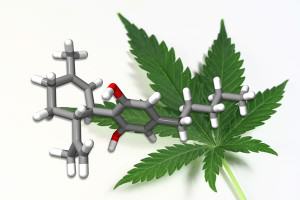



Collectible High-CBD Genetics: A Specialized Category
The world of cannabis seed collecting presents an extraordinary variety of genetics, among which those characterized by high concentrations of cannabidiol (CBD) stand out particularly. These collectible seeds represent the result of decades of targeted genetic selection, aimed at developing varieties with specific chemical profiles and unique properties from the point of view of cannabinoid composition.
High-CBD genetics constitute an extremely interesting category for experienced collectors, since they represent the most advanced evolution of genetic research in the sector. Unlike traditional varieties, where CBD rarely exceeds 1% of the total cannabinoid composition, these genetic specimens can reach cannabidiol concentrations ranging between 5% and 15%, creating THC:CBD ratios that are completely balanced or even inverted compared to conventional standards.
Chemical Profiles and Cannabinoid Composition
The chemical complexity of these collectible genetics is particularly fascinating from a scientific point of view. Cannabidiol is formed through specific enzymatic processes within the plant, following biosynthetic pathways that involve cannabigerolic acid (CBGA) as a common precursor. This non-psychoactive cannabinoid presents documented antioxidant properties and a molecular structure that gives it stability and versatility of application.
In specialized collectible varieties, often identifiable by the presence of the term "CBD" in the genetic denomination, the ratio between the various cannabinoids can vary significantly. Some genetics present 1:1 ratios between THC and CBD, while other particularly selected varieties may show almost complete dominance of cannabidiol, with concentrations reaching 15% against THC contents of less than 1%.
Natural Evolution of Cannabinoids
A particularly interesting aspect of these genetics concerns the natural evolution of the chemical composition during the maturation process. As the plant's life cycle progresses, a progressive conversion of THC into other cannabinoids, including CBD, occurs through oxidation and enzymatic degradation processes. This phenomenon contributes to the natural increase in cannabidiol concentrations in the more mature stages of genetic development.
Genetic Classification: Indica vs Sativa in CBD Varieties
Collectible high-CBD genetics can be classified according to the traditional distinction between Cannabis indica and Cannabis sativa, each with distinctive morphological characteristics and terpene profiles. Indica-dominant varieties tend to develop earthier and more sedative aromatic profiles, characterized by terpenes such as myrcene and linalool, which contribute to the relaxing properties associated with these genetics.
High-CBD sativa genetics, less common but equally fascinating for collectors, present more complex terpene profiles instead, often dominated by limonene, pinene, and terpinolene. These varieties are recognized for their energizing and stimulating effects, making them particularly interesting genetics from the point of view of diversifying a specialized collection.
Genetic Stability and Conservation
The conservation of these specialized genetics requires particular attention to storage conditions, since the stability of the cannabinoid profile can be influenced by environmental factors such as temperature, humidity, and light exposure. Collectible seeds of high-CBD varieties maintain their genetic characteristics for prolonged periods when stored under optimal conditions, typically in cool, dry environments away from direct light.
Applications and Scientific Relevance
From the point of view of scientific research, high-CBD genetics represent an extremely promising field of study. Cannabidiol has demonstrated interesting properties in various research areas, from neuroprotection to anti-inflammatory effects, from antioxidant action to potential applications in the dermatological field.
Research has documented how CBD can interact with the human endocannabinoid system through mechanisms different from THC, modulating non-cannabinoid receptors and influencing neurotransmitter transmission. This versatility of action has stimulated scientific interest in genetic varieties that can provide high concentrations of this cannabinoid.
Future Prospects of Specialized Collecting
The future of high-CBD genetics collecting appears particularly promising, with the continuous development of new varieties through advanced breeding techniques. The most experienced breeders are working to develop even more specialized genetics, with increasingly specific cannabinoid ratios and unique terpene profiles.
The long-term goal of genetic research is the development of varieties completely devoid of THC but rich in CBD, although this milestone remains a complex technical challenge. In the meantime, the genetics currently available for collecting already offer an extraordinary range of options for the most demanding enthusiasts.