


 English (English)
 Deutsch (German)
 Čeština (Czech)
 Italiano (Italian)
 Hrvatski (Croatian)
 Română (Romanian)
 български език (Bulgarian)
 Magyar (Hungarian)
 Español (Spanish)
 Français (French)
 Nederlands (Dutch)
 Polski (Polish)
 Slovenčina (Slovak)
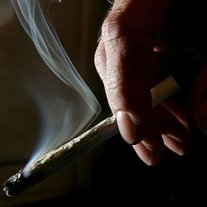



People have different dependencies, from small to large. Common objects of dependence are slot machines, theft, sex, partner and psychoactive substance dependence (drugs). What about cannabis? Can you even develop a dependence? Or is that just a prejudice and everything is actually different?
Scientists have also dealt with this question. Many books have been written on this basis to define the issue of marijuana drug addiction. Firstly, let's define the term dependency. It is the condition of a person who has a constant, compulsive and involuntary need to repeat a behavior or use a substance needed for their life.
We distinguish two types of dependencies: physical and psychological. Physical dependence is characterized by withdrawal symptoms when the body, which has become accustomed to a certain thing, begins to protest and does not receive it. It forces the user to keep increasing the sufficiently effective dose to achieve the same effect. Dependence has very negative effects on a person's life, health, and psyche. Even if the individual recognizes the unwanted side effects and wants to stop, he cannot.

What might be slightly more positive information is: Marijuana causes a slight physical dependence, which manifests as sleep disorders or diarrhea. However, we do not want to downplay this topic. It has been proven that marijuana is addictive. Even more adolescents are treated for cannabis addiction than for hard drugs.
Although occasional users do not want to admit that the consumption could have negative effects on their lives. Addiction is most often associated with the use of hard drugs such as cocaine, heroin and others.
An addiction can be recognized by simple questions compiled by the organization Marijuana Anonymous (MA).
- • Is marijuana smoking no longer just fun for you?
- • Is it very difficult to get in the mood without marijuana?
- • Is life without marijuana unthinkable for you?
- • Do friends notice that your marijuana use is bothering you?
- • Do you feel nervous when your supplies run out?
- • Do you feel that your memory and concentration have deteriorated or your motivation has been lost?
- • Do you feel that marijuana is in a world where there are no problems?
If one or more questions are answered with "yes," the person is probably addicted to cannabis or is already addicted. If someone has tried to stop and failed, MA considers this a clear sign of addiction.
Occasional and leisure users consider marijuana to be part of their lifestyle, as long as the consumption does not exceed the limit of once a week and thus no addiction occurs. The amount and frequency of marijuana use that triggers addiction varies from person to person. It is usually identified by daily use. Another point that can reveal dependence is consumption in privacy, consumption immediately after waking up and also withdrawal symptoms when the substance is not available.
Psychological signs of cannabis addiction:
- • Depression, anxiety, listlessness
- • Loss of motivation to go out in society
- • Loss of will to fulfill professional or school duties
- • Feelings of fear, panic
- • Fits of sadness
- • Loss of self-confidence
Not only does cannabis cause psychological problems, but it is also associated with a number of health risks. These include reduced immunity, risk of tumor formation, acute and chronic bronchitis, respiratory tract damage, etc.
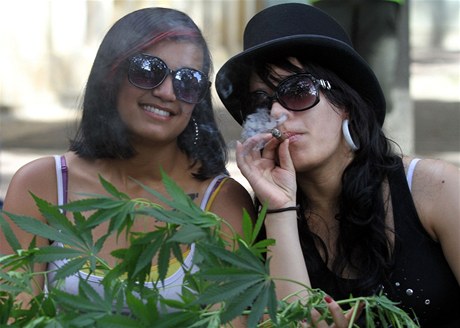
Let us consider the statement of Dr. Stanislav Kudrle, whose usual practice is the treatment of cannabis addiction. According to him, psychological dependence on cannabinoids occurs mainly in people who experience pleasant feelings from the start. In contrast, people who experience unpleasant conditions or anxiety after use quickly stop. The addiction begins slowly, imperceptibly, and the person does not want to admit it. The surroundings (friends, family, teachers) are the first to notice the changes. Behavioral, attitudinal and value system changes can be observed in the affected person. The aforementioned signs of addiction, such as anxiety, severe depression, etc., begin to show. Even schizophrenia-like conditions can occur. At this point it becomes really serious. As Dr. Kudrle states, the fears and depressions he often sees are really a strong coffee.
And how is the treatment going? Since this is a mental crisis, patients undergo psychotherapy, both individually and in groups, and additionally light meditation to cope with anxiety. Further development depends on the patient's attitude.
Treatment of withdrawal symptoms
It is recommended to take hot baths, drink plenty of fluids (cranberry juice is suitable), and supplement potassium in case of excessive sweating. For digestive problems, it is advisable to reduce fats in the diet; in case of insomnia and trembling hands, avoid caffeinated drinks and exercise to relieve depression.
Finally, it must be said that there is a risk of progressing to stronger drugs, as the body gradually becomes more resistant to the effects of cannabis and to achieve an intense high, many users turn to something harder. Many heroin and cocaine users have started smoking marijuana. It is true that not everyone who smokes marijuana will become a hard drug user. Some even stop smoking marijuana on their own. But it is important to understand, that dependence on cannabinoids endangers physical and mental health.
Did you know that cannabis can cure some addictions? Here are models that can increase concentration.
Tags
- Dosage of cannabis
- Smoking marijuana
- Minors and cannabis
- Cannabis addiction
- Therapeutic effects of cannabis