


 English (English)
 Deutsch (German)
 Čeština (Czech)
 Italiano (Italian)
 Hrvatski (Croatian)
 Română (Romanian)
 български език (Bulgarian)
 Magyar (Hungarian)
 Español (Spanish)
 Français (French)
 Nederlands (Dutch)
 Polski (Polish)
 Slovenčina (Slovak)
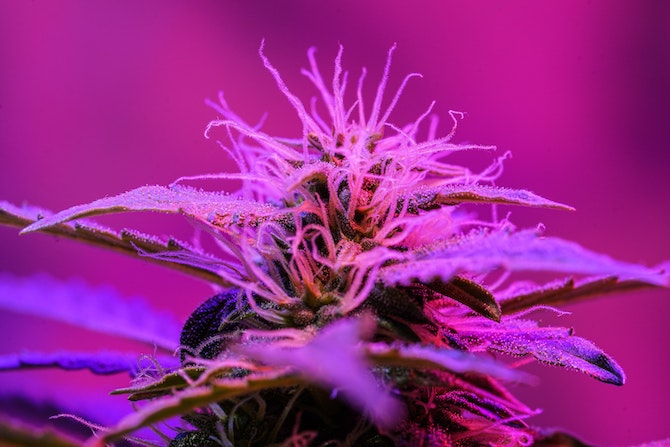


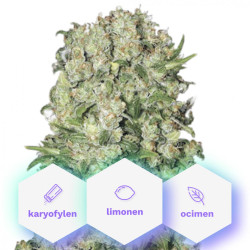
The cannabis flowering stage represents the most fascinating moment in the life cycle of these collectible genetics. During this critical period, the plants reveal their true aromatic potential and develop the cannabinoid compounds that define each unique variety. Understanding this process is essential for any serious cannabis seed collector.
Identifying the start of flowering in cannabis genetics
The onset of the flowering phase is triggered when the plants perceive specific changes in the photoperiod. This natural mechanism responds to the reduction in daylight hours, simulating the autumn conditions that trigger flower production in these genetics.
Typical flowering duration: Most varieties complete this process in 8-10 weeks, although Sativa genetics can extend to 12-14 weeks due to their equatorial heritage.
During the first two weeks of flowering, the sex of the plants becomes clearly apparent, revealing distinctive characteristics that allow male and female specimens to be identified.
Sexual differentiation in cannabis genetics
- Develop white pistils emerging from small preflower structures
- Produce the coveted inflorescences rich in cannabinoids and terpenes
- Feminized seeds guarantee female specimens
Male plants:
- Feature small hanging spherical structures full of pollen
- Develop pollen sacs instead of pistils
- Valuable for genetic breeding programs
Flowering characteristics by genetic type
Photoperiod varieties
Photoperiod genetics require specific changes in the light cycle to begin flowering. This group includes the classic Indica, Sativa, and traditional hybrid varieties.
Required light cycle:
- Vegetative phase: 18 hours of light / 6 hours of darkness
- Flowering phase: 12 hours of light / 12 hours of darkness
Autoflowering varieties
Autoflowering seeds represent a fascinating genetic innovation. These varieties contain Cannabis ruderalis genes that make them independent of the photoperiod.
Unique characteristics:
- Automatically begin flowering 3-4 weeks after germination
- Maintain an 18-20 hour light cycle throughout the entire process
- Complete cycle of 8-12 weeks from seed to maturity
Aromatic profile and terpene development during flowering
During the flowering phase, the resin glands (trichomes) reach their maximum development, concentrating the prized terpenes that define the aromatic profile of each genetic.
Main terpene families
Myrcene: Provides earthy and herbal notes, common in Indica genetics. This terpene is associated with relaxing and sedative profiles.
Limonene: Contributes bright citrus aromas, especially present in varieties with Sativa influence. Known for its energizing properties.
Pinene: Offers pine fragrances and forest freshness, found in both Indicas and Sativas.
Linalool: Provides lavender-like floral notes, associated with calming profiles.
Cannabinoid development
Simultaneously with terpene development, the plants synthesize various cannabinoids in specific proportions depending on their genetics:
- THC (Tetrahydrocannabinol): Main psychoactive cannabinoid
- CBD (Cannabidiol): Non-psychoactive cannabinoid with therapeutic properties
- CBG (Cannabigerol): Precursor of other cannabinoids
- CBN (Cannabinol): Degradation product of THC
Signs of maturity and the optimal harvest moment
Determining the perfect point of maturity requires detailed observation of several visual indicators in these collectible genetics.
Trichome examination
Trichomes (resin glands) provide the most precise information about maturity:
- Clear trichomes: Immature, cannabinoids still developing
- Milky trichomes: Optimal point, maximum concentration of cannabinoids
- Amber trichomes: Overripe, THC degrading into CBN
Changes in pistils
Pistils (white hairs) undergo visible transformations:
- Initially white and erect
- Gradually turn orange/brown
- Curl inward toward the center of the flower
- 50-70% dark pistils indicates maturity
Environmental factors during flowering
Environmental conditions significantly influence the floral development of these prized genetics.
Temperature and humidity
Optimal temperature: 18-26°C during the day, 16-20°C at night
Relative humidity: 40-50% to prevent fungal problems
Specialized lighting
During flowering, plants benefit from specific light spectrums:
- Reddish light (2700K-3000K) stimulates floral development
- Traditional HPS lamps offer the ideal spectrum
- Specialized LEDs provide precise spectrum control
The flowering phase represents the culmination of the genetic potential stored in these collectible seeds. Each variety expresses its unique heritage through distinctive aromatic profiles, developing the compounds that have fascinated collectors for generations. Understanding these processes allows for a full appreciation of the complexity and diversity of the world of cannabis genetics.