


 English (English)
 Deutsch (German)
 Čeština (Czech)
 Italiano (Italian)
 Hrvatski (Croatian)
 Română (Romanian)
 български език (Bulgarian)
 Magyar (Hungarian)
 Español (Spanish)
 Français (French)
 Nederlands (Dutch)
 Polski (Polish)
 Slovenčina (Slovak)
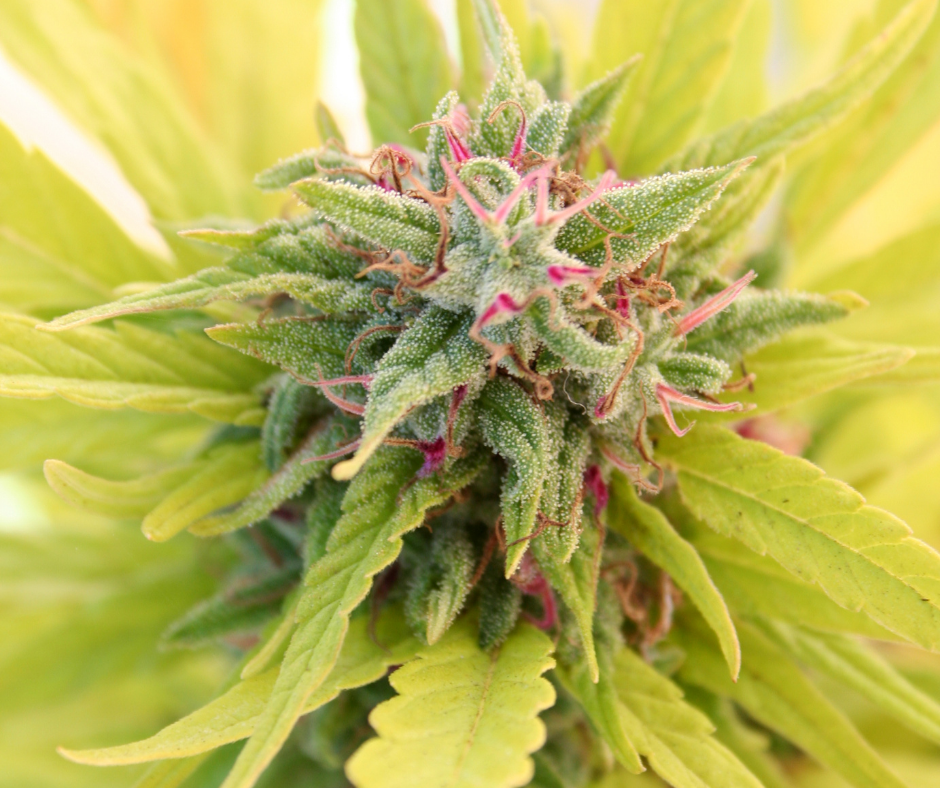



The Genetic Background of Bubba Kush
Bubba Kush is an extremely popular Cannabis indica variety that stands out in the world of collector's seeds with a genetic make-up of 80% indica and 20% sativa. This exceptional collector's seed is one of the iconic representatives of cannabis genetics and has fascinated botanical researchers and collectors of genetic material for decades.
The exact genetic origin of Bubba Kush remains a mystery, but experts believe it most likely descends from the Afghani, OG Kush and Northern Lights lines. The combination of these three legendary genetics produced the unique cannabinoid and terpene profile that makes Bubba Kush so special for collectors.
Chemical Composition and Cannabinoid Profile
The genetic material of Bubba Kush carries an average THC content of 14%, although in certain phenotypes this figure can rise as high as 25%. That wide range makes it particularly interesting for the study of genetic variation.
Because of the indica dominance, the CBD content is generally lower, yet the variety is an extremely valuable specimen for research into the synergy between cannabinoids and the entourage effect. The presence of minor cannabinoids such as CBG, CBN and CBC adds further complexity to this genetic material.
The terpene profile is especially rich: alongside the dominant myrcene there are significant amounts of limonene, caryophyllene and linalool. These terpenes are responsible for shaping the characteristic aroma profile and for the unique properties of this genetic material.
Aroma Characteristics and Sensory Properties
The aroma profile of Bubba Kush is remarkably complex and distinctive. Among the dominant notes are a sharp sweetness and earthy shades, which many collectors describe as a clay-like aftertaste. This aromatic composition makes it particularly valuable for terpene research.
The sensory properties of this genetic material include the characteristic resinous scent, a result of abundant trichome production. The terpene concentration is exceptionally high, which makes it a highly interesting subject of study from a botanical point of view.
Genetic Properties and Morphological Features
The genetic material of Bubba Kush is known for its compact, low-growing form. Because of the indica dominance, the plant morphology is typically stocky, with broad leaves and short internodes.
- Genetic stability: excellent homozygous traits
- Phenotype variation: minimal, consistent characteristics
- Trichome development: exceptionally rich resin production
- Aroma consistency: stable terpene profile from generation to generation
The Relaxing Genetic Profile of Bubba Kush
In cannabis research, the genetic profile of Bubba Kush is known for its strongly relaxing properties. As a result of the indica dominance, this genetic material contains a combination of cannabinoids and terpenes suited to the study of calming effects.
The high concentration of the terpene myrcene, combined with THC dominance, results in a genetic profile that would be suited mainly to evening use. Research suggests that this genetic combination may be particularly interesting for the botanical study of stress, anxiety and sleep problems.
Terpene Synergy and the Entourage Effect
The terpene combination found in the genetic material of Bubba Kush is an excellent example for studying the entourage effect. The joint presence of myrcene, limonene and caryophyllene creates a synergistic effect that is one of the most interesting areas of research in cannabis science.
This genetic material is also particularly well suited to studying effects on appetite, which is extremely valuable in terms of the interaction between cannabinoid receptors and terpenes.
Collector Value and Botanical Significance
As a collector's seed, Bubba Kush occupies a special place in the history of cannabis genetics. Thanks to its stable genetic traits, consistent aroma profile and rich cannabinoid content, it is a particularly valuable specimen among botanists and genetic researchers.
The scientific value of this genetic material lies in the fact that it is an excellent example of indica and sativa hybridisation, as well as of terpene–cannabinoid synergy. From a collector's point of view, its genetic stability and the preservation of consistent traits are especially interesting.
Important note: these seeds are intended exclusively for collection purposes, for botanical and genetic study. The products are not suitable for cultivation or consumption.