


 English (English)
 Deutsch (German)
 Čeština (Czech)
 Italiano (Italian)
 Hrvatski (Croatian)
 Română (Romanian)
 български език (Bulgarian)
 Magyar (Hungarian)
 Español (Spanish)
 Français (French)
 Nederlands (Dutch)
 Polski (Polish)
 Slovenčina (Slovak)
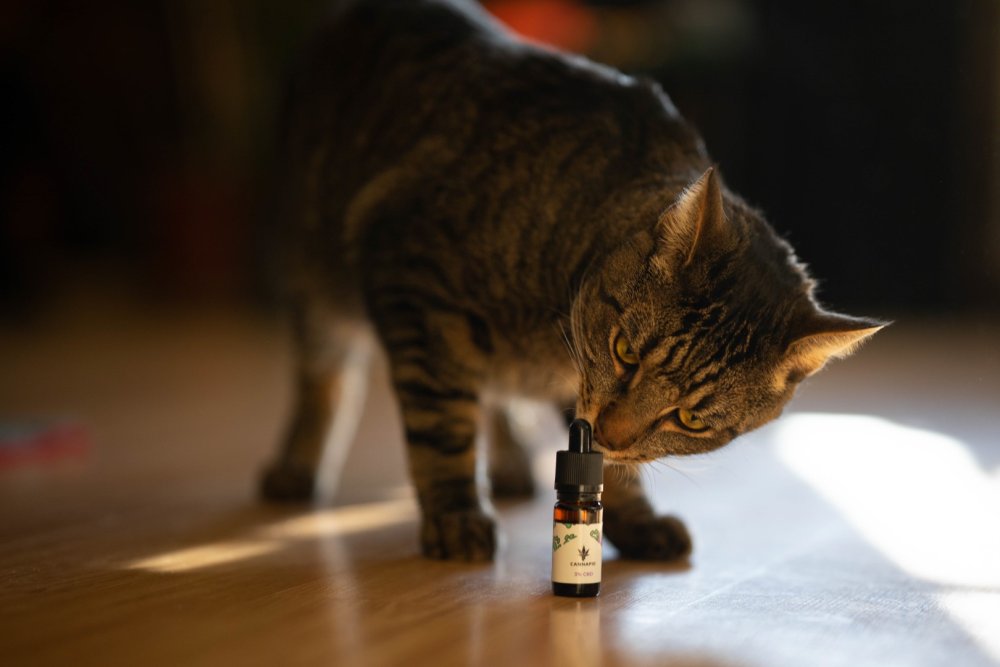



In short: CBD interacts with a cat's endocannabinoid system through CB1 and CB2 receptors and is generally considered safe when the product contains no THC, though reactions should be monitored. Recommended starting doses range from 0.1 to 0.5 mg of CBD per kilogram of body weight, with effects appearing within 30 minutes to 2 hours.
| Recommended starting dose | 0.1-0.5 mg CBD per kg of body weight |
|---|---|
| Onset of effects | 30 minutes to 2 hours |
| Time needed for full benefits | several weeks of consistent use |
How Does CBD Work in Felines?
Cats, like humans, possess an endocannabinoid system (ECS) that regulates vital functions such as immunity, mood, rest, and pain perception. When CBD is administered to a cat, this compound interacts with the CB1 and CB2 receptors of the endocannabinoid system. This interaction can promote homeostatic balance, calmness, and overall well-being in these domestic animals.
Cannabidiol acts as a natural modulator that can help maintain the optimal functioning of various physiological processes. This characteristic makes CBD especially interesting as a natural supplement for collectors who study the therapeutic properties of cannabinoids in different species.
Safety of CBD in Domestic Cats
CBD is considered safe for cats when it does not contain THC. CBD products formulated specifically for pets present a favorable safety profile, although it is essential to carefully observe the animal's response after the first administration.
Some cats may show slight drowsiness or reduced energy initially, which generally resolves by adjusting the dosage. In exceptional cases, mild side effects may occur such as changes in appetite, digestive discomfort, or temporary restlessness. These symptoms are usually short-lived and of moderate intensity.
It is crucial to select CBD products specifically designed for animals, as concentrations and formulations for humans may be inadequate for felines. Consultation with a specialized veterinarian is always recommended before introducing any supplement into a pet's routine.
Potential Benefits of CBD for Cats
Cannabidiol represents one of the most promising natural supplements for feline wellness. Although more scientific research is required to confirm all its benefits, various preliminary studies have shown encouraging results. Cat owners have reported improvements in various health conditions.
Management of Feline Anxiety
Cats can experience stress and anxiety similarly to other mammals. Symptoms include behaviors such as hiding in unusual places, loss of appetite, excessive urination, or defecation outside the litter box. CBD may contribute to reducing cortisol production, the stress hormone, and exerting a calming effect on the feline endocannabinoid system.
Support for Joint Issues
Senior cats frequently develop joint stiffness and decreased mobility. They may show difficulty jumping to heights they previously reached easily or move with less agility. Since CBD is recognized for its natural anti-inflammatory properties, it may offer support for joint comfort in felines.
Neurological Support
The neuroprotective properties of CBD make it an interesting supplement for cats with neurological disorders. Cannabidiol may help stabilize cerebral electrical activity and reduce the frequency of convulsive episodes. Preliminary research suggests a significant reduction in the intensity and frequency of seizures in animals treated with CBD.
Digestive Wellness
Inflammatory digestive disorders can significantly affect the quality of life of cats. CBD may contribute to modulating the intestinal inflammatory response and, combined with an appropriate diet, offer support for overall digestive wellness. Although it is not a curative treatment, it may help manage the associated discomfort with these conditions.
Skin and Coat Care
Dermatological issues are common in domestic felines. Irritated, dry, or flaky skin can appear in various areas of the body. CBD oil applied topically may contribute to maintaining a shiny, soft, and healthy coat, while potentially reducing cutaneous allergic reactions.
Dosage Considerations
The appropriate dosage of CBD for cats depends on various factors including the body weight, specific condition, and individual sensitivity of the animal. It is essential to start with very small doses and increase gradually according to the observed response.
CBD products for pets generally come with specific dosage guidelines based on the animal's weight. The general rule is to administer between 0.1 and 0.5 mg of CBD per kilogram of body weight, always starting at the lower end of the range.
It is essential to keep a detailed record of the cat's response to determine the optimal dosage. Patience is key, as the effects of CBD can take between 30 minutes and 2 hours to manifest, and full benefits may require consistent use for several weeks.
Future of Feline CBD Research
Although preliminary results are promising, scientific research on CBD in cats is still in its early stages. The veterinary community continues to study the specific mechanisms of action and optimal dosage protocols for different feline conditions.
Future studies will likely focus on establishing more precise safety guidelines and determining the most effective applications of CBD in veterinary medicine. This ongoing research will benefit both veterinary professionals and pet owners interested in natural wellness options.
For cannabis collectors and enthusiasts, the study of CBD applications in different species represents a fascinating field of research that expands our understanding of cannabinoids and their multiple therapeutic properties.