


 English (English)
 Deutsch (German)
 Čeština (Czech)
 Italiano (Italian)
 Hrvatski (Croatian)
 Română (Romanian)
 български език (Bulgarian)
 Magyar (Hungarian)
 Español (Spanish)
 Français (French)
 Nederlands (Dutch)
 Polski (Polish)
 Slovenčina (Slovak)



Hermaphroditic cannabis plants can be an unpleasant surprise for growers, one that can threaten the quality of the harvest. Hermaphroditism means that a plant has developed both male and female reproductive organs, which can lead to self-pollination and the production of low-quality seeds. In this article we will focus on preventing unwanted hermaphrodites and protecting your cannabis garden. Can excessive fertilisation cause hermaphroditism? What are the so-called "bananas" and what other forms of hermaphroditism exist? Can hermaphroditism be prevented by choosing high-quality seeds? Keep reading this article and grow cannabis successfully, without unwanted hermaphrodites appearing!
What causes hermaphroditism in cannabis?

Hermaphroditism in cannabis can be caused by a combination of genetic and environmental factors. There are several main causes that can push a plant into a hermaphroditic state:
- Genetic factors:
- Some cannabis varieties have, thanks to their genetic makeup, a greater tendency towards hermaphroditism.
- Genetic resistance and heredity differ between individual varieties, which can influence the risk of hermaphroditism occurring.
- Environmental factors:
- Stressful conditions, such as excessive fertilisation, extreme temperatures, a deficiency of nutrients or light, can cause hermaphroditism.
- External factors, such as irregular light cycles (e.g. light during the night), can also affect the plant's development.
Identifying hermaphroditic cannabis plants

Identifying hermaphrodites is crucial for successful cannabis cultivation and for minimising the risk of unwanted hermaphroditism. The following visual signs may indicate the presence of hermaphroditic plants:
- Flowers:
- The flowers of hermaphroditic plants often consist of male and female organs.
- A single flower may contain stamens (the male organs) together with pistils (the female organs).
- Appearance of the flowers:
- Hermaphroditic flowers may be smaller and less conspicuous than the flowers of male or female plants.
To be able to recognise hermaphrodites and distinguish them from male and female plants, it is important to observe the plants regularly throughout their growth cycle. When identifying hermaphrodites, it is advisable to examine the flowers carefully and look for the presence of both male and female organs in the same flower. This way you can easily detect hermaphroditic plants and take appropriate measures to minimise their negative impact on your cannabis grow.
The most common hermaphroditic cannabis plants
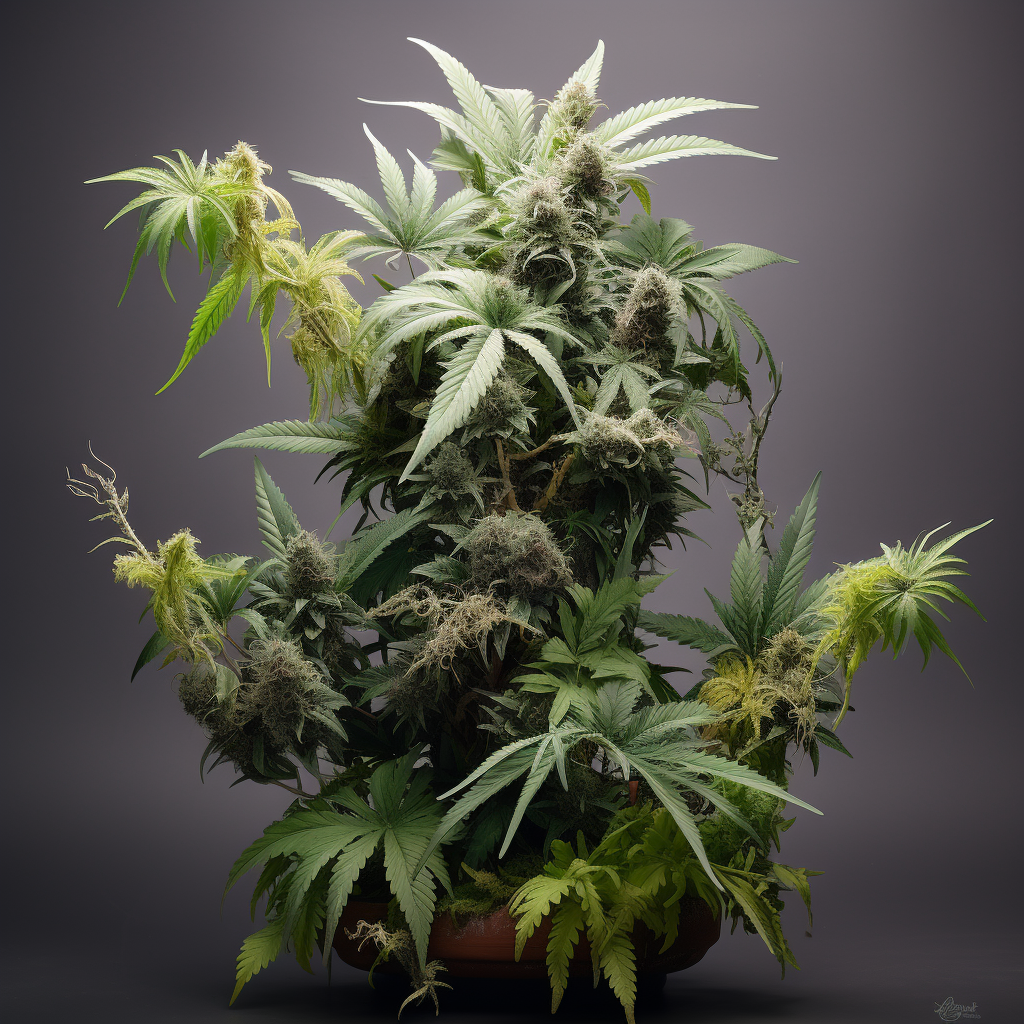
- "Bananas": this form of hermaphroditism is characterised by the occurrence of female flowers with pistils that are surrounded by male stamens. This combination resembles little bananas, which is where this form of hermaphroditism got its name.
- "Hermies": this form of hermaphroditism involves the occurrence of female flowers with pistils along with male organs, namely stamens. This combination indicates that the plant possesses both male and female reproductive organs.
- "Late" hermaphrodites: these plants may initially look like purely female plants, but later develop male flowers or stamens. This type of hermaphroditism usually appears later during growth.
- "Sporadic" hermaphrodites: these plants tend to form a few male flowers or stamens alongside female flowers or pistils. This form of hermaphroditism can be irregular and sporadic.
- "True" hermaphrodites: these plants possess male and female organs in a single flower, at the same time and to the same degree. This form of hermaphroditism is the most pronounced.
How to prevent hermaphrodites from appearing in cannabis plants?
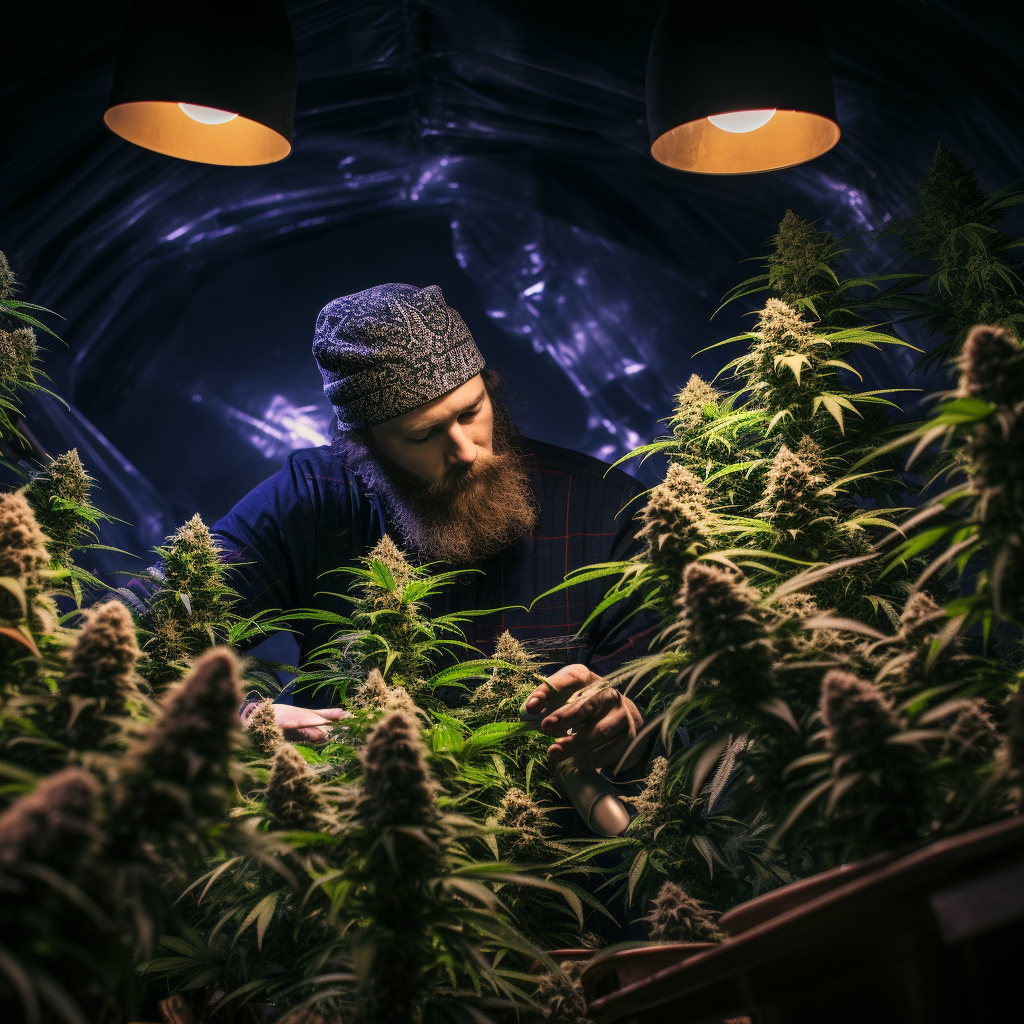
Preventing unwanted hermaphrodites during cannabis cultivation is essential to ensure stable sexual development of the plants and a good-quality harvest. Several important aspects should be considered:
- Choice of genetics and high-quality seeds:
- Choose cannabis varieties from well-known and trustworthy sources.
- Try to obtain genetics known for their genetic stability and a low risk of hermaphrodites occurring.
- Environmental control:
- Provide an optimal environment for cannabis growth, including temperature, humidity, light cycle and ventilation.
- Minimise stress factors such as excessive fertilisation, extreme temperatures, and a lack of water or nutrients.
- Plant inspection:
- Regularly inspect your plants to detect any signs of hermaphroditism early.
- If you discover hermaphroditic plants, remove them as quickly as possible to minimise the risk of pollination of other plants.
A few words in conclusion
To sum up, for successful and proper cultivation it is essential to prevent the occurrence of hermaphroditic cannabis plants. The key is choosing the right genetics, providing a suitable environment and carrying out regular inspections. Watch your plants carefully and remove hermaphrodites at an early stage. Maintaining a clean and friendly environment for your plants is decisive for minimising the risk of pollination and ensuring a good-quality harvest. If you follow these measures, you will succeed in growing cannabis and will not have to deal with unwanted hermaphrodites.