
10 Unknown Therapeutic Uses of CBD
In the following article, we'll explore 10 significant, yet relatively unknown medical uses of CBD.
While the well-known cannabinoid THC leads among recreational users, CBD is slowly but surely becoming a medical celebrity among patients. CBD, or cannabidiol, is one of approximately one hundred other active cannabinoids found in medical cannabis plants. CBD stands out both in its concentration in final extracts and its medical effects. Moreover, due to its minimal side effects, it is currently gaining attention from scientists, healers, and patients worldwide.
1. Diabetes
In a study published by the US National Library of Medicine, the effect of CBD on non-obese mice was described, where this cannabinoid successfully suppressed diabetes development. Specifically, it inhibited the production of IL-12 splenocytes, a substance that plays a significant role in various autoimmune diseases, such as the notorious diabetes.
2. Nicotine Addiction
An official study from the University of London showed that cannabidiol could play a significant role in helping to quit tobacco smoking. In this study, 24 individuals were tested, receiving either a placebo or CBD in inhaler form. The result showed a 40% reduction in cigarette cravings for those inhaling CBD 🚬, a number that greatly intrigued many addiction specialists.
3. Mad Cow Disease
CBD application has also been observed to suppress prion production, proteins responsible for diseases like mad cow disease or Creutzfeldt-Jakob disease. This mechanism was proven in a 2007 study on acutely ill mice, where CBD extended their life by more than a week by suppressing prion production and accumulation.
4. Fibromyalgia
A 2011 study proved that CBD successfully suppresses fibromyalgia symptoms. Thus, CBD is a very promising candidate for future treatment of this condition.
5. Anxiety
When absorbed through the digestive tract, CBD demonstrably has anti-inflammatory effects and helps against anxiety, stress, and social anxiety disorders. Surprisingly, cannabidiol is effective even in extreme cases like post-traumatic stress disorder.
6. Schizophrenia
The effects of CBD do not end with post-traumatic stress disorder; there are also records of cases where this versatile cannabinoid helped patients suffering from severe mental disorder, schizophrenia. In these cases, CBD was more effective than pharmaceutical medications, and, unlike standard drugs, it caused no adverse side effects.
7. Crohn's Disease
There is also evidence of CBD's effectiveness against Crohn's disease. This effectiveness has been discussed particularly because CBD and THC interact with the body's endocannabinoid system, which is prevalent in the intestinal area. Not only can CBD (along with THC) help patients suffering from Crohn's, but it can also help anyone with digestive issues.
8. Multiple Sclerosis
Through animal experiments and "in vitro" tests, scientists from the Cajal Institute managed to prove that CBD is capable of reversing inflammatory manifestations of multiple sclerosis and, upon subsequent use, served as a very resilient protector against adverse sclerosis symptoms.
The study specifically demonstrated the ability of mice with multiple sclerosis to maintain significantly better motor skills compared to mice without CBD, naturally leading scientists to conclude that CBD acts as a potential treatment for sclerosis.
9. Insomnia 💤
When life gives you lemons, make lemonade, right? As many of us already know, one of the few side effects of high CBD doses is drowsiness. However, this side effect is a significant positive for those suffering from insomnia.
So, instead of often unhealthy sleeping pills, it's possible to seek help in a healthy, harmless, and natural CBD extract.
10. Acne
Yes, you read that correctly. Along with diseases like Crohn's disease or Multiple Sclerosis, CBD is also able to help with skin problems like acne. In a study published in the scientific magazine Journal of Clinical Investigation, scientists report success with CBD application on skin, which suppresses inflammation and fat production in human sebaceous glands responsible for acne symptoms.
recommended products8
Juicy Fruit - Indoor CBD Flowers Cannapio, 2g
12,89 € excl. VAT
| Genetics | Hybrid |
|---|
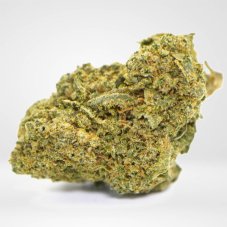
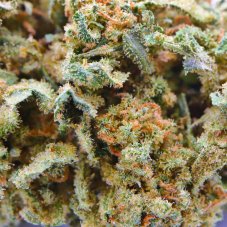
Juicy Fruit - Indoor CBD Flowers Cannapio, 10g
61,07 € excl. VAT
| Genetics | Hybrid |
|---|


Juicy Fruit - Indoor CBD Flowers Cannapio, 5g
31,90 € excl. VAT
| Genetics | Hybrid |
|---|
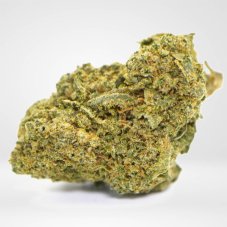
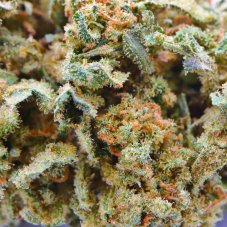
Juicy Fruit - Indoor CBD Flowers Cannapio, 3g
19,67 € excl. VAT
| Genetics | Hybrid |
|---|
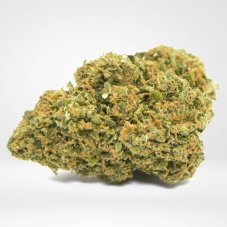
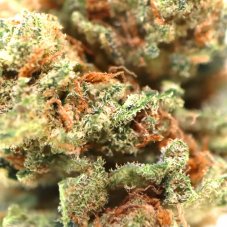
Obi-Wan - Indoor CBD Flowers Cannapio, 10g
61,07 € excl. VAT
| Genetics | Hybrid, indica |
|---|
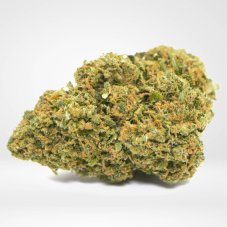
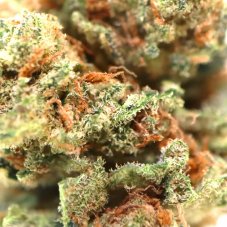
Obi-Wan - Indoor CBD Flowers Cannapio, 5g
31,90 € excl. VAT
| Genetics | Hybrid |
|---|

Critical - CBD Cannapio Flowers, 1g
6,78 € excl. VAT
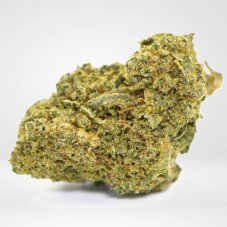
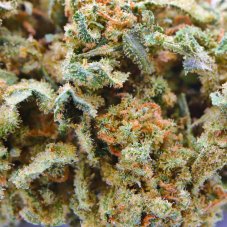
Juicy Fruit - Indoor CBD Flowers Cannapio, 1g
6,78 € excl. VAT
| Genetics | Hybrid |
|---|