
4 Differences Between Smoking and Eating Cannabis
- Cannabis edibles work differently than smoked cannabis
- The effect is usually longer and stronger
- Dosage must be remembered and started carefully
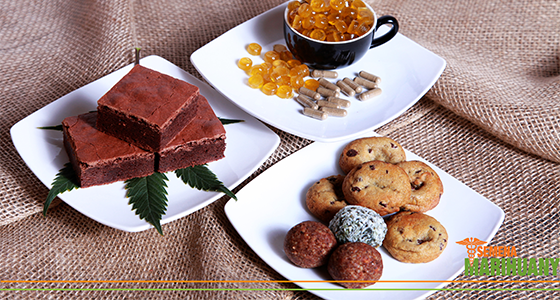
Cookies, muffins, donuts, bacon, tea, pizza, guacamole, vegetable mix... prescription medical cannabis and cooking simply go well together. For patients or recreational cannabis users who prefer application through the digestive tract, there is truly an enormous range of possibilities, especially because cannabis can enrich almost every dish.
If you already have experience with cannabis edibles, you have certainly noticed that compared to smoking or vaporizing, this form of application offers a deeper, sometimes almost psychedelic experience that also lasts much longer. What causes this? Speculate no further and keep reading - in the following article, we will describe the main differences between prescription cannabis effects in food and smoking.
1. THC is absorbed differently from food into the body
How is it possible that cannabis edibles are typically much stronger in effect than, for example, a few vaporizer puffs?
The main difference is the place of active substance absorption - when applying cannabis through the digestive tract, THC is converted in the liver to so-called 11-hydroxy-THC. This active metabolite can then very easily cross the blood-brain barrier, which results in a stronger psychoactive effect.
When smoking, however, THC does not pass through the stomach and liver - it is absorbed through the lungs into the blood and then directly into the brain. That's why smoking and vaporizing cannabis effects are faster in onset and shorter in overall duration.
2. Effects and Duration
With cannabis edibles, it's important to follow two golden rules: start small and be patient. Since THC travels through the body's metabolism on a much longer path, effects may occur after 30 minutes or even up to 2 hours. Moreover, once the effect sets in, it usually lasts several more hours before subsiding.
Effects naturally differ depending on the cannabinoid content of the edible, but generally users of these "edibles" report much stronger physical effects and almost psychedelic mental effects at higher doses. Overall, smaller doses bring a more pleasant and tolerable effect, so we repeat: start small and wait a sufficiently long time before the next dose. If you don't follow this rule, nothing terrible will likely happen. But be prepared that the effect might seem overwhelming.
Interestingly, when consuming medical cannabis in food, the effect is stronger, but the total number of cannabinoids entering the bloodstream is smaller than when smoking. Overall, about 10-20% of cannabinoids enter the bloodstream through an edible, whereas smoking is estimated at 50-60%. Furthermore, when smoking and vaporizing, cannabis effects start about 10 minutes after application and begin to rapidly diminish after 30-60 minutes.
3. Dosing Medical Cannabis in Food is Complicated
Measuring THC content in a homemade batch of cookies, for example, is not simple, and it is known that even official cannabis edible producers in states where cannabis is already legal sometimes have trouble precisely describing the cannabinoid content of their medicinal product. Due to the longer time before the onset of effects, users often "overestimate" themselves and administer much more than they could comfortably tolerate. When smoking, users can gradually increase the dose due to the almost instant effect.
For example, in Colorado, where cannabis has been legal for recreational use for some time, a standard dose is considered 10 milligrams of THC. 100 milligrams, on the other hand, is considered a very (very very) strong coffee and generally such a dose should be divided into smaller, intermittent doses with sufficient time intervals. Colossal THC doses won't harm you, but believe that you'll enjoy the cannabis effect more with gradual, more careful dosing.
4. Prescription Medical Cannabis Edibles - A Healthier Alternative to Smoking
Many people who are treated with cannabis or believe it simply benefits them are becoming interested in this form of application primarily because they find smoke too unpleasant or because they fear the consequences and effects of cannabis smoking on the lungs.
In such a case, vaporization is generally a healthier alternative, but cannabis edibles offer a much stronger and simultaneously longer effect, which is especially suitable for patients suffering from, for example, chronic pain.
Moreover, with cannabis edibles, you don't have to limit yourself to just sweets like cookies or muffins - you can enrich a whole range of foods with cannabis. Make cannabis butter and pour it over popcorn, dip cabbage chips into the butter, or brew tea - the choice is entirely yours. Just always remember our humble warning - slowly and patiently.
Author: Bailey Rahn
Translation: Filip Maral
Sources: leafly.com
Images: thedailybeast.com static1