
6 tips on how not to smoke medical cannabis
- Smoking medical cannabis doesn't suit everyone
- There are many other application methods, often healthier and more pleasant
Try to recall your first experience with smoking "marijuana". Most likely, you'll remember the surprising burning in your throat, complete inability to estimate how much smoke to inhale, and possibly a subsequent, unexpectedly choking cough... how nostalgic. For cannabis veterans, these are amusingly vivid memories, but for some beginners, this is still a harsh reality.
Not everyone tolerates inhaling choking smoke, and some patients with various lung disorders cannot even consider this consumption method. The stigmatized image of smoking medicinal cannabis is the last thing preventing some people from trying this herbal medicine, which surprisingly applies even in countries where cannabis is legal for both medical and recreational use.
Fortunately, there are many ways to approach the consumption of this versatile herb with respect to your health and personal needs. For those of you considering cannabis treatment and wanting to take the most health-conscious approach possible, we will describe 6 ways to use cannabis without smoking in today's article.
1. Vaporization
To get the desired medical cannabinoids, you don't necessarily have to burn the herbs. If you choose vaporization, you can evaporate cannabinoids and inhale cool vapors full of cannabinoid substances. Moreover, vapors from a quality vaporizer are usually much tastier than smoke from burned herbal material.
If you decide on this application form, you can now confidently choose from various vaporization devices, from desktop machines to pocket vaporizers that allow you to enjoy your herbs anywhere and anytime needed.
2. Cannabis Edibles and Treats
One of the more common alternatives to smoking is consuming cannabis through various types of edibles enriched with medical cannabinoids. You can basically "insert" these into any food or liquid containing butter, fats, or any types of oils. However, there are a few fundamental differences between cannabis application in smoked form and through the digestive tract that are definitely worth knowing – we recommend studying our previous article "4 Differences Between Smoking and Eating Cannabis".
If you are aware of these significant differences and want to start applying cannabis treats, you can test some of our sympathetic recipes:
3. Cannabis Oils and Concentrates
Cannabis oils are essentially cannabinoid concentrates that can be applied orally. They are usually available in capsules or plastic applicators and can be consumed with food or drink. In our offering, very popular 5% CBD capsules.
As with cannabis treats, the rule is measure twice, cut once – the oral dose of medical cannabinoids can have an unexpectedly powerful effect.
4. Cannabis Tinctures, Drops
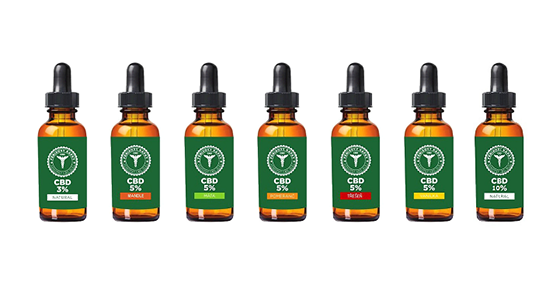
Cannabinoid medical tinctures are basically cannabinoids in liquid form, extracted using alcohol with the option of applying drops directly under the tongue. Unlike cannabinoid oils, cannabis tinctures work immediately and can thus provide patients with the necessary relief at the right time. Using drops also allows much better dosage control.
"In our offering, you can choose from quality CBDA and CBG drops"
5. Cannabis Ointments
Medicinal cannabis can be applied topically using various types of balms and lotions enriched with medical cannabinoids. This way, cannabis can significantly help heal wounds, relieve pain, or reduce inflammation. One unique property of topically applied cannabis is the absence of any psychoactive effects, while maintaining therapeutic properties. So if you need help with symptoms of certain diseases and want to keep a clear head, cannabis ointments will definitely come in handy.
6. Dabbing
Dabbing is an increasingly popular method of applying medical cannabis. This involves external vaporization of cannabis concentrates by applying them to a heated water pipe stem, through which the user inhales the resulting vapor. This method might look slightly drastic to the public eye, but the truth is that alongside vaporization, it is one of the healthiest ways to apply medical cannabis.
Dabbing is recommended more for experienced recreational users and patients who need to apply a large dose of cannabinoids at once, as quickly as possible.
Author: Bailey Rahn
Translation: Filip Maral
Source: leafly.com