
7 Simple Steps to Successfully Growing Cannabis
Every cultivation of a plant represents a small story that begins with purchasing a seed and ends with harvesting the plant. What happens in between is a growing process that we as growers can influence to a certain extent. Get familiar with the basic information that will guide you on the right path of hemp cultivation. You will learn:
- about the ideal temperature when growing hemp
- about the properly set light cycle
- about the individual stages of hemp growth.
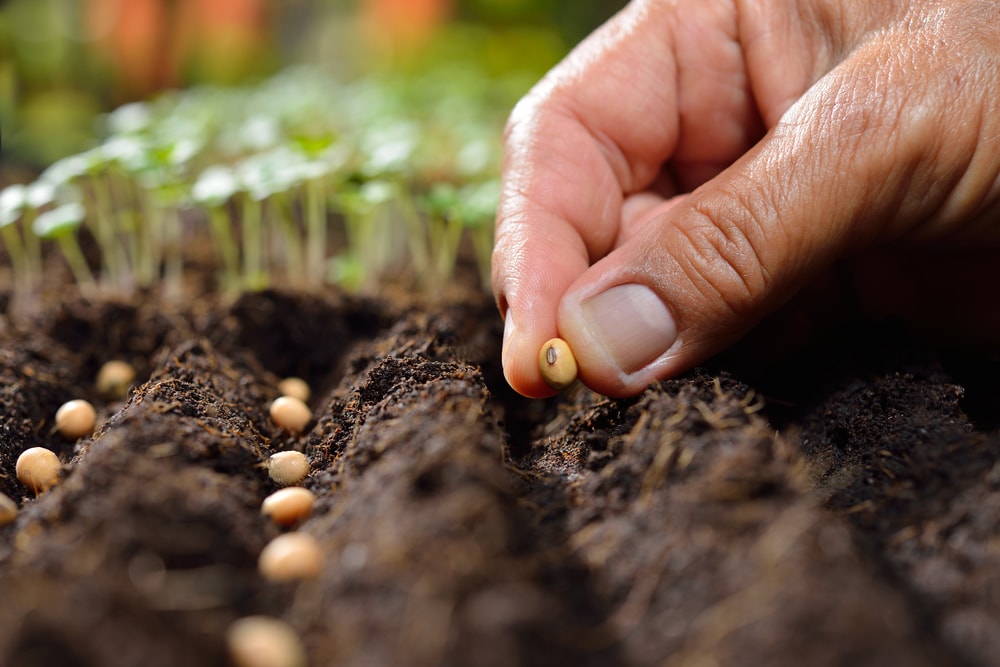
1. Choosing the Right Hemp Seeds
The first step to starting cultivation is definitely purchasing high-quality hemp seeds. The entire further development of the plant depends on the seeds, so we should not save money in this regard. Whether you have just decided to start growing hemp or are an experienced grower, Cannapio offers seeds according to your preference. In our e-shop you will find:
- Feminized Seeds: Special bred varieties that will grow only female hemp plants. They offer a high content of cannabinoids and terpenes.
- Autoflowering Seeds: The fastest and easiest seeds to grow. They automatically switch to the flowering phase and can be grown in both indoor and outdoor environments.
- Regular Seeds: From these hemp seeds, both male and female hemp plants will grow. The gender ratio is 50:50. They are considered the most natural form of hemp seeds.
- Indoor and Outdoor Seeds
Various special varieties of hemp seeds are also available, their mix, hybrids, or pure CBD seeds with increased cannabidiol content. Before purchasing seeds, you should inform yourself about their suitable growing conditions to be able to adapt all circumstances accordingly.
2. Ensuring Suitable Growing Conditions
This is the second most basic step right after selecting hemp seeds. For the plant to thrive, your goal is to ensure its smooth growth, which is a combination of multiple factors. The light cycle plays an important role and should be set to more than 18 hours per day. Temperature is closely related to light. Hemp is quite resilient and considered a hardy plant. However, the ideal temperature is generally 27 degrees Celsius. If you want to grow in soil, it's good to get a quality substrate. You can also consider other soil-less growing methods like hydroponics or aeroponics.
Just as we humans cannot live without air, neither can plants. Keep in mind that the air in your growing rooms must be constantly fresh. Indoors, it's worth using a fan for air circulation. The last factors that should not be overlooked are water and nutrients. Their regular supply provides hemp with vitamins, minerals, and organisms.
3. Lights for Indoor Hemp Cultivation
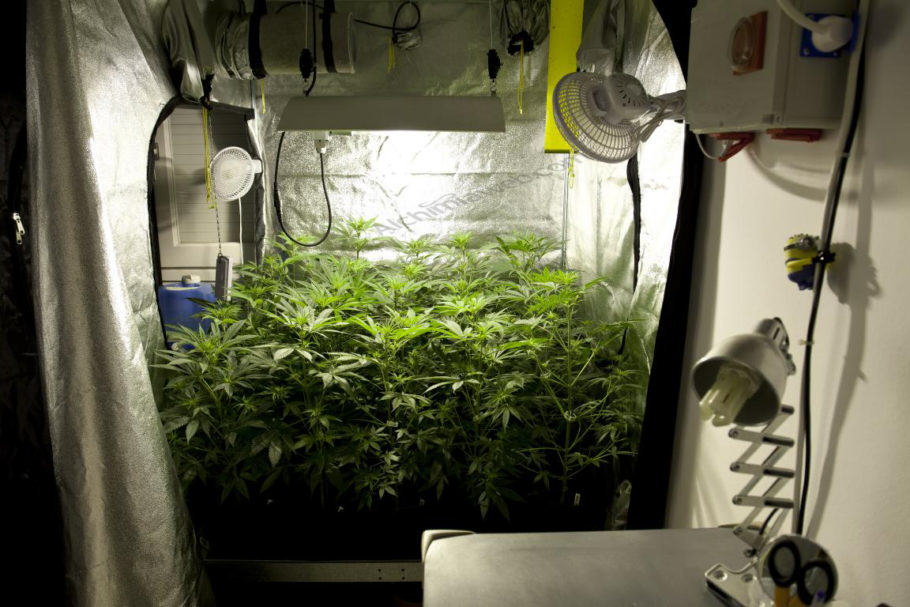
If you are growing in an indoor space, you need to solve the lighting issue. You'll acquire lights according to the respective marijuana varieties. Most commonly used are LED lights, compact fluorescent lamps (T5), HPS (High-Pressure Sodium) and MH (Metal Halide) lights, and CFL lights. In addition to providing light, they also support growth.
4. Hemp Seed Germination
After acquiring all the necessary growing materials, you as growers can get right to work. For a hemp seed to germinate correctly, the conditions of proper water supply, correct temperature, and placement must be met. A seed can germinate in various ways. You can place it for germination in:
- Paper towel
- Media/soil
- Water
- Mineral wool starters
A separate point is the germination station. It offers control over the germination environment, which facilitates the entire process. It controls moisture, temperature, and germination time. How do you know the seed has germinated? At first glance, you can see how the shells have broken and opened. At this moment, the first leaves begin to grow, and photosynthesis also begins.
5. Beginning of Hemp Growth
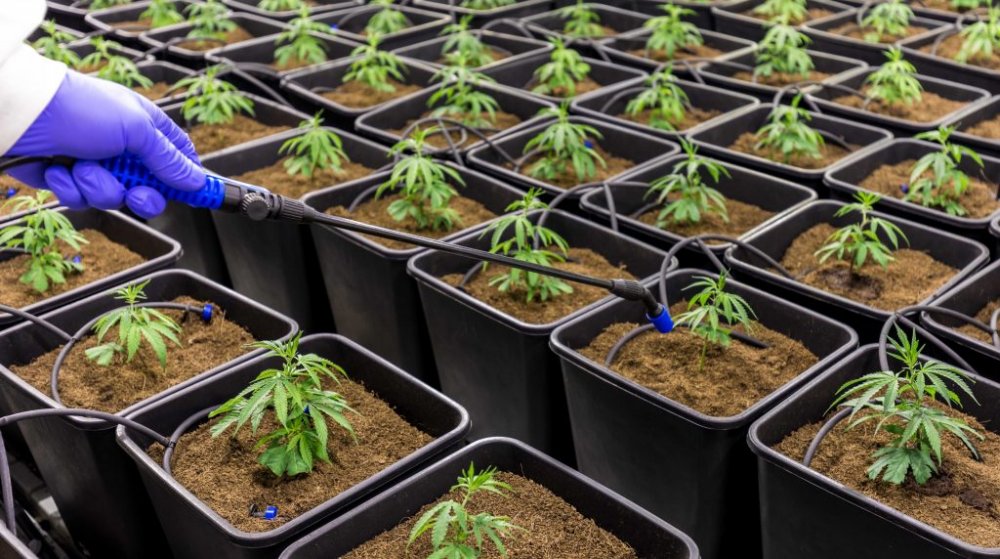
The vegetative phase of hemp begins with the aforementioned photosynthesis. This phase of how long the hemp plants remain in growth is not time-bound, but occurs individually, depending on how large you want the plants to grow. When growing indoors, lights should be set to a 18-hour lighting mode and 6 hours of darkness. Hemp begins to grow rapidly as soon as daily light values increase during spring and summer. Unlimited root space and good genetics can ensure that a hemp plant grows three to four meters during the vegetative phase.
6. Hemp Flowering Phase
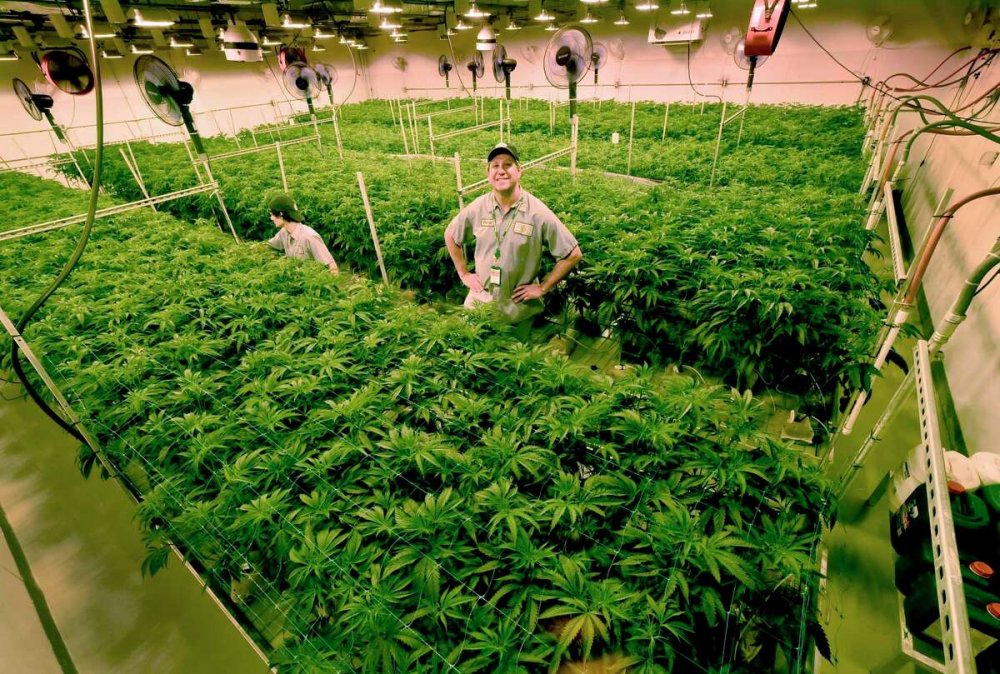
After switching the plant to the flowering phase, indoors by switching to a 12/12 light cycle, hemp begins to flower. This is a period full of specific scents, captivating hemp shades, and an enticing aroma. The beginning of flowering can usually be perceived at the start of early summer months. Therefore, autoflowering hemp varieties are particularly popular, which switch to flowering by themselves, regardless of photoperiod.
The flowering phase is divided into two periods:
Differentiation: change of growth, zigzag branches.
Actual flowering: occurs in the same stages, but for different durations. Indica varieties flower faster than sativas.
7. Harvesting, Processing, and Storage of Hemp
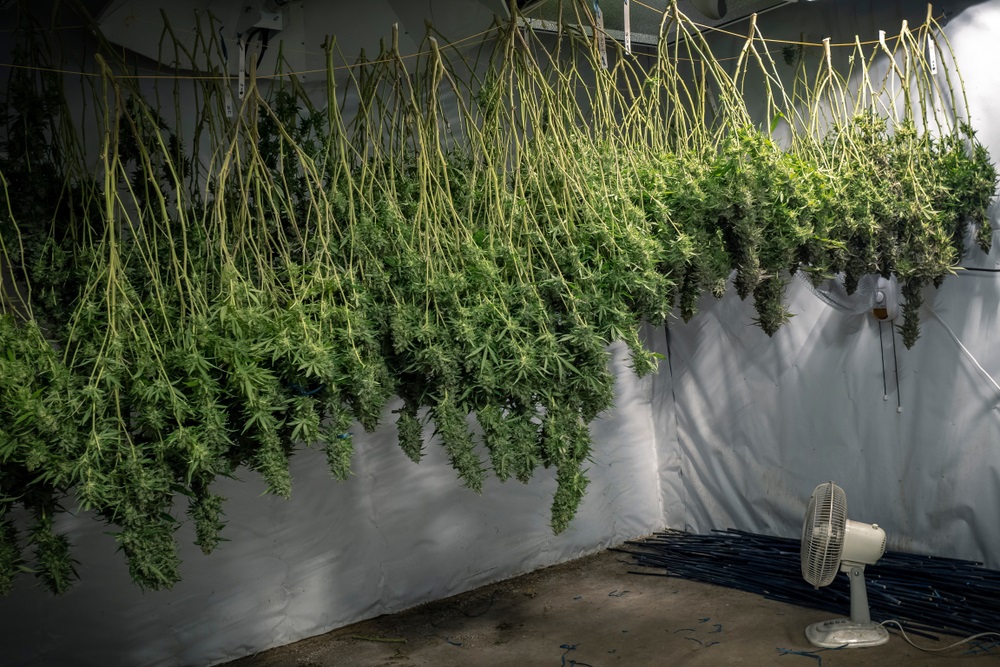
The final point of your cultivation is collecting the hemp plant and subsequent processing. You can dry hemp, process it into CBD oil or various products. There are many options. Only one rule applies: during harvest, you should be thorough and collect all necessary parts. Bud drying should then take place in a dark place and without increased humidity. Ideally, plants should dry for around 2 weeks. As hemp becomes more dried, its color changes to shades of dark green, purple, or dark blue. Dried parts can be placed in glass containers and regularly checked to avoid mold formation.
There is no universal plan for growing hemp that would guarantee a finished result. It is a process of continuous work and deepening in practice. However, if you want to stay informed and learn more about hemp cultivation, we recommend following our Cannapio blog.