
Beginning of Cannabis Treatment - Decrease in Alcohol Consumption?
We know that using cannabis with high THC content triggers psychotic states. Combined with other drugs and alcohol, it can have truly fatal consequences. But what if we could treat alcohol addiction with cannabis? Will this treatment be effective? To what extent?
Cannabis as a Replacement for Other Drugs
Most Common Reasons for Drug Replacement with Cannabis
The most frequently mentioned include:
- Cannabis has fewer side effects
- Cannabis has lower withdrawal potential
- Cannabis is more accessible
- Cannabis is more acceptable than other drugs
- Cannabis provides better symptom management
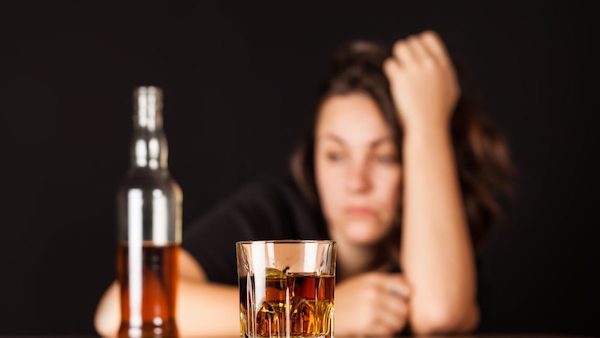
Many addicted individuals replace alcohol with cannabis
Treating Alcoholism with Medicinal Cannabis
- Patients have the right to choose cannabis as a more effective option
- Medicinal cannabis offers an alternative for those unwilling to give up psychoactive substances
To treat increased alcohol consumption with medicinal cannabis, cannabis must meet specific treatment rules. Chick and Nutt (2012) published criteria for substitution treatment:
1. It should reduce alcohol consumption and related damage.
2. Ideally, it should be less harmful than alcohol.
3. Abuse potential should be lower than alcohol.
4. It must prove it can replace alcohol and must not be used with alcohol.
5. It should be safer in case of overdose.
6. Ideally, it should not intensify alcohol effects, especially when medications are taken in excessive doses.
7. It should offer significant health economic benefits.
Experts also discussed how such replacement through cannabis treatment could minimize overall individual and societal survival damages.
Medicinal cannabis therapy reduces alcohol use
Can Cannabis Treatment Minimize Alcohol Use?
- Reduces alcohol consumption: supported by experts like Peters, Hughers, and Moore, among many others from past and present centuries.
- Cannabis is less harmful than alcohol: Confirmation and research found in Nutt et al. (2007) publication
- Cannabis usage disorders are less severe than alcoholism
- Cannabis treatment can fully replace alcohol: currently researching whether replacing alcohol with cannabis can improve life quality
- Cannabis is safer during overdose compared to alcohol
- Cannabis doesn't tend to intensify alcohol effects
- Cannabis treatment is economically more acceptable