
Cannabis as the Antibiotic of the Future
- Overuse of antibiotics has caused the development of so-called superbacteria, resistant to most of today's pharmaceutical drugs
- Medical cannabis shows positive activity as an antibiotic against resistant bacteria
- The first antibiotic use could be special cannabis ointments
Countries in Crisis
"If all parties do not engage in urgent, coordinated action, we can expect a world entering a post-antibiotic era," explains Dr. Keiji Fukuda, Assistant Director-General of the World Health Organization (WHO) for Health Security, after the world's first report on antibiotic resistance.
"Common infections and minor injuries that we were previously able to treat without problems may kill again," Fukuda further describes. Bacteria resistant to current antibiotics are currently one of the most serious health problems in the world.
The Irony of Antibiotics
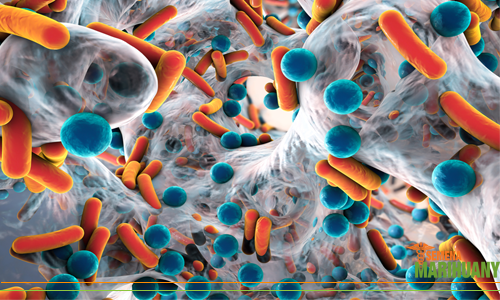
The horrifying irony is that the evolution of resistant "superbacteria" is driven by the very drugs initially used to destroy them. For example, Methicillin-resistant Staphylococcus aureus (MRSA), a bacteria responsible according to the Centers for Disease Control and Prevention (CDC) for up to 10,000 deaths annually, is a direct byproduct of antibiotic overuse.
MRSA is a bacteria that infects open wounds, thereby increasing patients' chances of death by up to 60%. Currently, MRSA is the scourge of hospitals and other health institutions, where it can easily spread among people in close contact.
MRSA is commonly associated with people with weakened immune systems, but recently mass infections have begun to occur across the healthy population - for example, an outbreak at a New York high school in 2015.
In 2014, President Obama even declared an official fight against resistant bacteria, which he called a "serious threat to public health and economy".
"Marijuana" as the Last Hope?
In 2008, a team of British and Italian researchers conducted the first study of its kind, examining one of the most commonly cultivated plants on the planet and its use against MRSA: hemp.
Researchers selected 5 of the most common cannabinoids and tested their effectiveness against six branches of MRSA bacteria, including those responsible for the worst mass infections in hospitals and similar settings. The result was a surprising "potent activity" of all five cannabinoids across all MRSA branches.
Cannabinoids are generally able to slow or completely stop the spread of certain types of cancer, reduce inflammation, or act as powerful antioxidants. Thanks to this research, we have also learned that their beneficial properties extend to resistant bacterial infections, and thus they fall among the most powerful antibiotics in the world.
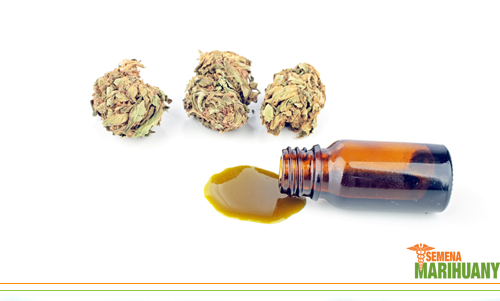
"According to existing research, we know that these substances are formed by the hemp plant specifically to create an antimicrobial defense that directly affects and targets bacterial cells," explains Simon Gibbons, one of the main authors of this study and head of the Department of Pharmaceutical and Biological Chemistry at London University of Pharmacy (UCL), in an interview for the MIT news server.
The most important discovery of the study is confirmation of the positive activity of cannabinoids even against the most adapted, resistant forms of MRSA, against which even the strongest available antibiotics do not work.
"The mechanism by which cannabis is able to kill these resistant forms of bacteria remains a mystery to us..." says Gibbons. "I wouldn't dare to guess how these bacteria act. However, the fact remains that they are capable of acting against these bacteria in a highly potent way, so there must be some specific mechanism at play."
"The study authors suggest using medical cannabis as a source of a new and effective antibiotic that can be immediately applied."
"The most practical way of applying cannabinoids could now be the use of special ointments, which would be particularly useful in hospital settings, where they could be applied to open wounds instead of today's overused antibiotics," further explains Giovanny Appendin, professor at the Italian University of Piemonte Orientale and co-author of the study.
Two of the five cannabinoids used, which proved to be the most effective, do not act psychoactively. Furthermore, the production of cannabinoid antibiotics of the future could be quick and effective due to the growth period of hemp.
Appendino concludes: "Industrially grown, technical hemp, which has no recreational use, could become a source of a very effective antibiotic medication."
The Hidden History of Antibiotic Hemp
Welcoming the hemp plant into the field of medicine is not new; this plant has been used as a medicine by various cultures for millennia.
For example, in 1960, our Czech doctors F. Šantavý and J. Kabelík, from Palacký University, developed possibly the most comprehensive description of the historical use of medical cannabis. A surprising finding of their entire work is that contrary to the application of cannabis as a narcotic, its use was by the vast majority of historical cultures as an antibiotic and therapeutic for chronic diseases.
"All available information about historical folk medicine of European cultures suggests that the hemp they used did not contain any psychoactive cannabinoids, or if it did, only in negligible amounts," the authors claim. "Instead, the emphasis was placed on the antiseptic, antibiotic, and occasionally analgesic effects of hemp."
Similar patterns were observed in papyrus records from ancient Egypt, which speak of the "fundamental use of hemp as an antiseptic" and also among modern African tribes, where "internal and external applications of hemp as an analgesic, sedative, and antibiotic" are very well documented.
Furthermore, in the folk medicine of South American inhabitants, marijuana has been and is used against diseases such as gonorrhea or tuberculosis.
Author: Ocean Malandra
Translation: Filip Maral
Source: reset.m
Images: wearechange hellomd cdn.davidwolf