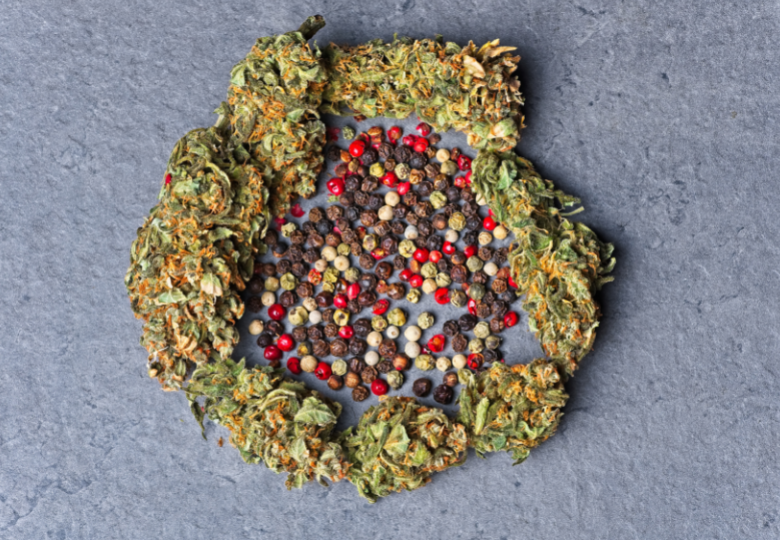
Caryophyllene, or one of the common cannabis terpenes
Caryophyllene: A Special Cannabis Terpene
The world of cannabis terpenes is fascinating and complex, with over one hundred aromatic compounds identified in the plant. Among these, caryophyllene holds a special position, standing out for its unique properties and characteristic aromatic profile. This terpene, also known as beta-caryophyllene, represents a significant percentage of the essential oils present in cannabis flowers, ranging from 3.8% to 37.5% of the total composition.
For seed collectors and cannabis genetics enthusiasts, understanding the role of caryophyllene is essential to fully appreciate the diversity of terpene profiles available on the market. This compound is not found exclusively in cannabis, but is also present in numerous spices and aromatic plants such as basil, oregano, rosemary, cumin, black pepper, hops, lavender, cloves, and cinnamon.
Unique Characteristics of Beta-Caryophyllene
What makes caryophyllene truly exceptional in the terpene landscape is its unique ability to interact directly with the endocannabinoid system. Unlike other terpenes that mainly influence aroma and flavor, caryophyllene is the only known terpene capable of binding directly to cannabinoid receptors, particularly CB2 receptors.
This distinctive characteristic classifies it as a dietary cannabinoid, opening new perspectives for scientific research. Its sesquiterpene molecular structure gives it not only distinctive aromatic properties, but also a therapeutic potential that has attracted the attention of the international scientific community.
Aromatic and Sensory Profile
Caryophyllene contributes significantly to the complex aromatic profile of cannabis, bringing spicy, earthy, and slightly pungent notes. This terpene is responsible for those nuances that recall freshly ground black pepper or oriental spices, elements that many connoisseurs immediately recognize in high-quality varieties.
Scientific Research and Studied Properties
Scientific research on caryophyllene has produced promising results in several areas, making this terpene one of the most studied in the landscape of natural compound research. Studies conducted mainly on animal models have highlighted interesting properties that deserve further investigation.
Studies on Anxiety and Stress
A 2014 study conducted on murine models showed how caryophyllene can positively influence parameters related to anxiety and well-being. Researchers observed that the activation of CB2 receptors by this terpene could open new avenues for future studies in this field.
Anti-inflammatory Properties
Studies have shown that caryophyllene possesses significant anti-inflammatory properties, mainly through its interaction with CB2 receptors. This characteristic makes it particularly interesting for research on chronic inflammatory conditions. Its high affinity for these receptors suggests a specific and targeted mechanism of action.
Neuroprotection and Brain Health
Preliminary research has explored the potential of caryophyllene in neuroprotection, particularly in the context of neurodegenerative diseases. Its ability to modulate inflammatory processes in the central nervous system through the activation of CB2 receptors represents a particularly promising area of study.
Caryophyllene-Rich Genetics for Collectors
For collectors interested in genetics with high caryophyllene content, there are several renowned varieties that naturally express high concentrations of this terpene. It is important to note that the final concentration depends not only on genetics, but also on growing conditions and methods of preserving the genetic material.
Classic Varieties with High Content
Among the genetics most appreciated by collectors for their caryophyllene-rich profile we find:
- White Widow - A legendary genetics known for its balanced terpene profile
- Girl Scout Cookies - Famous for its spicy and complex notes
- OG Kush - A classic with a distinctive aromatic profile
- Bubba Kush - Appreciated for its intense earthy notes
- Sour Diesel - Known for its unique and pungent terpene profile
- Chemdog - A variety that expresses a strong aromatic personality
Preserving the Terpene Profile
For collectible seed collectors, it is essential to understand that the terpene profile represents part of the genetic heritage preserved in the seed. Proper seed preservation ensures the maintenance of original genetic characteristics, including the ability to express specific terpene profiles such as the one rich in caryophyllene.
Caryophyllene in the Essential Oil Industry
Beyond its role in cannabis, caryophyllene has a long history in the essential oil industry and aromatherapy. Its presence in numerous aromatic plants makes it a familiar component for those working with natural fragrances and aromatherapy. This versatility contributes to its commercial importance and the growing attention of scientific research.
Essential oils rich in caryophyllene are appreciated for their distinctive organoleptic properties and their stability over time. This terpene, in fact, shows good resistance to oxidation compared to other more volatile compounds, making it particularly interesting for commercial applications.
Considerations for the Experienced Collector
Those dedicated to collecting cannabis genetics should consider the terpene profile as one of the fundamental aspects in evaluating genetic quality. Caryophyllene, with its biochemical uniqueness and distinctive properties, represents an important marker for identifying varieties of particular interest.
Understanding the molecular mechanisms that regulate caryophyllene production in different genetics can guide the collector's choices toward varieties that best express this important terpene. Factors such as genetic stability, line purity, and breeding history significantly influence the final expression of the terpene profile.
In conclusion, caryophyllene represents one of the most fascinating aspects of cannabis natural chemistry, combining distinctive aromatic properties with a unique biological potential. For collectors and genetics enthusiasts, understanding this terpene means appreciating one of the most sophisticated components of the cannabis genetic heritage available today on the European market.