CBD Gin
Although the future of CBD-containing foods remains uncertain in the EU, manufacturers continue to find ways to offer this sought-after cannabinoid to consumers. In Britain, several brands offering CBD-infused spirits emerged in 2019. Let's look at the most well-known producers, specifically CBD gin.
In Britain, enthusiasm for CBD has merged with their passion for alcohol, and some companies are trying to capitalize on this combination by offering consumers a "more acceptable" drink – CBD spirits.
However, it's necessary to distinguish between companies that are merely riding the CBD popularity wave by decorating their products with hemp images, and those actually using CBD extract in their spirits.
There is particularly great interest in combining gin with CBD. The reason is that the bitter taste of this cannabinoid works well with plant substances, but also because gin is a relatively easy spirit that can be considered craft after adding the ingredient and producing a small batch of product.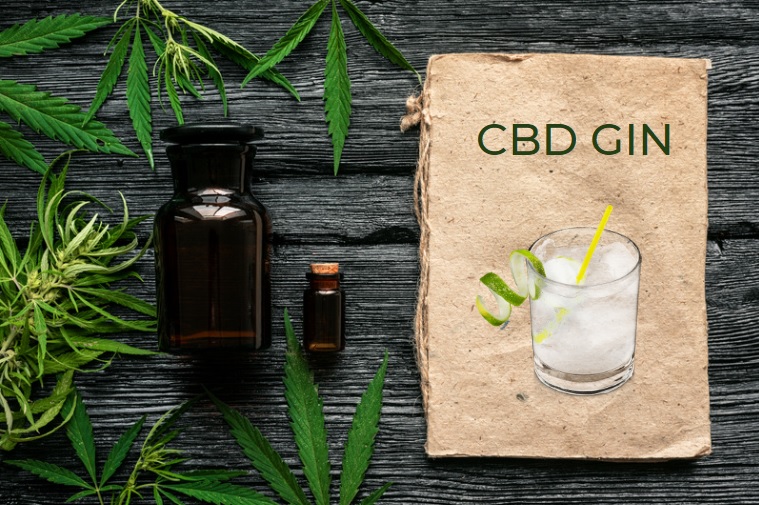
What you'll learn in this article?
- Why add CBD to gin?
- How is gin produced?
- CBD gin manufacturers abroad
Why add CBD to gin?
Cannabidiol (CBD) is a naturally occurring substance in hemp plants. It has gained popularity due to its reported positive effects, such as reducing anxiety, inflammation, and more.
Studies suggest that CBD influences receptors controlling serotonin levels in our body. Serotonin is a substance that helps transmit nerve impulses and, according to some scientists, a hormone that affects chemical processes in the body. Serotonin is found approximately 90% in the digestive system, then in blood platelets, and a small amount is also in the brain. And according to some scientists, this small amount in the brain influences our moods, emotions, and behavior.
CBD combined with alcohol may cause the consumer to feel more relaxed and potentially better engage in social environments.
How is gin produced?
Gin is a popular alcoholic beverage that combines the unique taste of herbs and spices. Gin is obtained through a second distillation, typically from grain, most often barley malt. Various herbs and spices are added to the mixture. The basic ingredient for gin production is juniper berries. Juniper gives it a characteristic bitter taste. Other popular ingredients include coriander seeds, angelica, ginger, orange or lemon peel, nutmeg, etc.
The basic process in gin production is fermentation. During fermentation, in the presence of yeast, sugar components of the base ingredient, usually barley malt, are converted into alcohol. This is re-distilled together with selected herbs and spices that determine its final taste and quality.
Each distillery has its own original and secret method and recipe for gin production. Therefore, several different variants and tastes of this beverage exist in the market.
Gin can be consumed either standalone or added to various drinks. The most famous drink is gin and tonic.