
CBDH - cannabidihexol as a new cannabinoid
The fact that we are constantly seeing new scientific findings related to CBD is not surprising. What may be new are insights from the CBDH area, which represents a new cannabinoid. Today's article topic will therefore be precisely this matter. We bring you relevant information about this new cannabinoid that will help you better navigate the following areas:
- definition of CBDH
- differences between CBDH and CBD
- benefits of the new cannabinoid (CBDH)
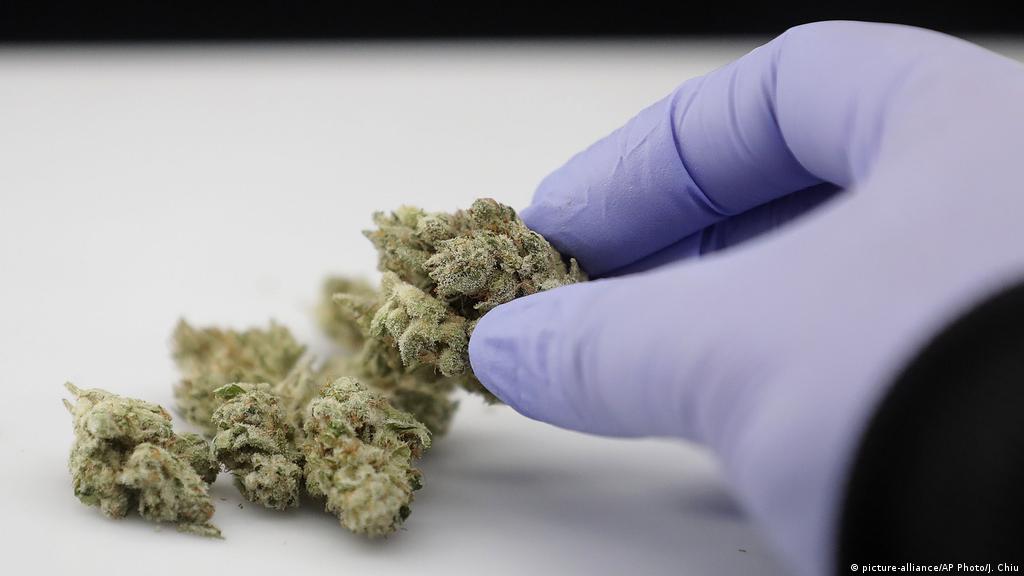
CBDH new cannabinoid
What Does CBDH Mean?
Every cannabinoid is different and has unique properties. Their size is assessed by the number of carbon atoms. The most well-known cannabinoids are THC and CBD, which are characterized by side chains. These are composed of five carbon atoms. From this established cannabinoid structure, products like CBD oils are later manufactured. Others contain seven atoms. We can observe that compounds of atoms are mostly in odd groupings. CBDH is cannabidihexol, which is referred to as a hexyl cannabinoid and has a six-carbon side chain.
Molecular Structure of CBDH

The article mentions the assumption of CBGH presence, which is also found in other hexyl cannabinoids. This finds justification in the claim that CBG is the origin of THC and CBD. Similarly, how CBGV transforms into CDBV. However, the grouping of six carbon chains does not make the cannabinoid CBDH different from others. The true reason for its uniqueness is that scientists did not find the CBGH component in the plant, nor any related cannabinoid that would explain the carbon grouping. Consequently, it could not be precisely determined under what conditions hexyl cannabinoids THCH and CBDH were created. The question of CBDH formation remains a continuous subject of investigation.
How Does CBDH Differ from CBD?
The potential difference between CBDH and CBD remains only its molecular structure. Since CBDH has one additional side chain, studies bring results showing it is more effective towards vanilloid receptors compared to CBD. This means it somewhat more successfully suppresses sudden or chronic pain.

CBDH Research in Laboratories
What Advantages Does CBDH Bring Us?
Since CBDH is still a completely new discovery, its effects are still being tested. Compared to CBD effects, there are not significant differences, but there are studies that have included CBDH in their primary research. Similar to CBD being associated with pain-relieving effects, CBDH was also studied for its impact on this issue. All studies in this direction confirm one and the same thing. CBDH demonstrates interesting analgesic activity in low doses in biological tests. Although the effects were tested on mice for safety, science brings surprising findings. In individual phases after CBDH injection, irregularities were found. While a 1.2 mg/kg CBDH dose significantly reduced pain, a 2 mg/kg dose blocked physiological pain detection. In comparison, 3 to 5 mg/kg doses had absolutely no effect on the formalin test related to pain. The result is that the smaller CBDH doses were administered, the more effectively and quickly scientists managed to get pain under control.
This finding does not follow the logical principle in pharmacology, which automatically expects that the higher the dose administered, the more successfully positive effects will occur. The reason for this can be attributed to the fact that low CBDH doses activate the vanilloid receptor (TRPV1), which helps mediate pain, pain perception, and body temperature. Conversely, higher CBDH doses block CB1 and CB2 receptors, and therefore pain relief does not occur. Using CBD products is now quite well-known, but CBDH use could be applied in the medical environment, along with other cannabinoids, as an effective analgesic. Detailed research addressing this issue, along with chemical formulas, can be found here.
To conclude, let's summarize a few key points about CBDH that emerge from our article:
- CBDH has one more side chain in its molecular structure compared to CBD
- in lower doses, CBDH causes pain relief, but not in larger doses
- CBDH properties result from activating vanilloid receptors that relate to pain
- CBDH use is not yet known, but it would find application as a pain-relieving medication