
Fundamentals of Breeding
In plant breeding, the main goal is to improve characteristics or create new varieties. The basis is selecting different varieties that are genetically adapted to climatic conditions, resistant to negative biotic and abiotic influences, and meet user requirements.
Bred varieties have higher yields and quality, and are more resistant to diseases and pests. Breeding has two basic processes. The first is called new breeding, where the main task is creating new varieties. The second process is maintenance breeding, which, as the name suggests, is primarily about maintaining varieties, their characteristic level, and further reproduction.
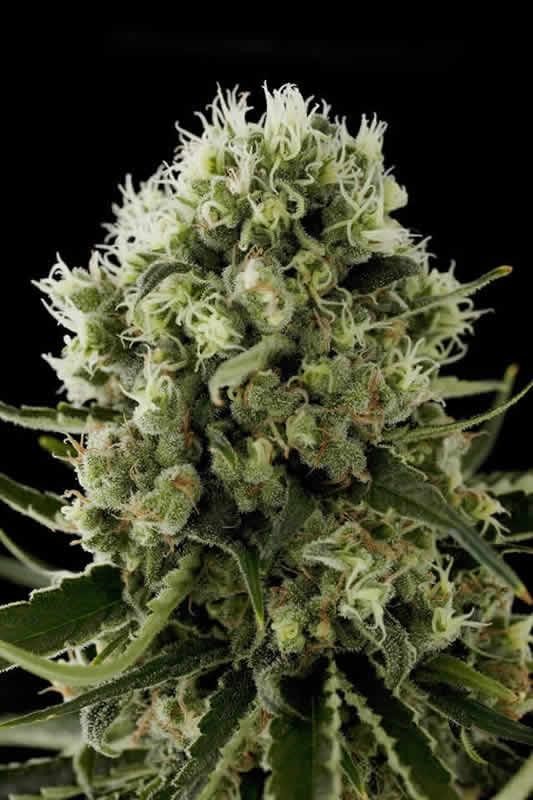
Developing a new variety is very time-consuming. It requires perseverance, patience, and having both theoretical knowledge and practical experience. What breeders have achieved so far in cannabis includes creating many plant types, THC content as needed, plants suitable for outdoor, indoor, or greenhouse cultivation, creating feminized and autoflowering seeds, increasing resistance to adverse conditions, etc.
Feminized Seeds
These are seeds from which only female plants grow. This was a dream of many growers since ancient times. In the 60s and 70s, several attempts were made, but they were unsuccessful. In the 90s, Dutch Passion and its founder Henk van Dalen came with the first real success in feminization. Henk, who studied biology at the University of Amsterdam from 1970-1976, used his knowledge to explore cannabis plant development.
He discovered that almost all female plants, if left to grow long enough, begin to form male flowers towards the end of their life. These flowers produce pollen, so seeds obtained using this pollen would logically grow female plants. This was the first successful step in this area. Several more studies followed, contributing to refining and improving results. Today, it's possible to obtain abundant pollen, the feminization process is reliable, and seed production has increased with market demand sufficiently covered.
Autoflowering Seeds
Plants from autoflowering seeds mature in just a few weeks, approximately 10. This time is significantly shorter than the traditional multi-month growing method. It allows for multiple harvests per year, which many growers appreciate. Other advantages include small height, making them less conspicuous, and weaker odor. The only drawback is smaller yields. Plants flower depending on age, whereas normal feminized plants depend on light and dark periods.
In the 1980s, sativas, indicas, and their hybrids were bred. Sativa refers to a plant that can grow up to 3m tall, while indica grows more width-wise, forming smaller bushes reaching 1-1.5m in height.
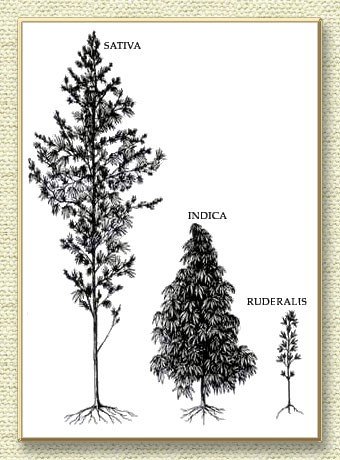
Plants are grown indoors or outdoors. Outdoor growers were dependent on climate conditions. When weather was unfavorable, there was no chance for plants to mature. Therefore, it was necessary to create plants with shortened vegetation period and flowering not dependent on day and night length.
Experiments began with another cannabis type, cannabis ruderalis, which is opposite to sativas and indicas. Cannabis Ruderalis originates from Siberia, Mongolia, and the Far East. Its vegetation period is approximately 50 days, not influenced by day and night length, but only by time. Maximum achievable height is 80cm with negligible THC content.
The trick to obtaining an autoflowering plant isn't in any chemistry, but in crossing cannabis sativa with cannabis ruderalis or cannabis indica with cannabis ruderalis. The first models that reached the market were Ruderalis indica and Ruderalis skunk. Unfortunately, their genetics were never fully perfected.
In 2002, Joint Doctor (traveler, world traveler, cannabis lover) introduces the Lowryder model, which doesn't have particularly impressive effect, aroma, or taste. In the following years, Doctor focuses on improving it, and other breeders emerge, bringing well-known autoflowering AK-47 and others to the market.
Medicinal Marijuana
Marijuana is a plant of many possibilities. It's not just used "recreationally" but also has therapeutic effects. It helps fight leukemia, alleviates advanced HIV symptoms, improves cardiac arrhythmia. Extracts are used for psoriasis, asthma, migraines, burns, infections, etc.
To create medicinal marijuana, cannabis strains must be bred with equal THC and CBD ratios. The CBD cannabinoid is characterized by strong therapeutic potential. THC and CBD quantities range 5-6%.
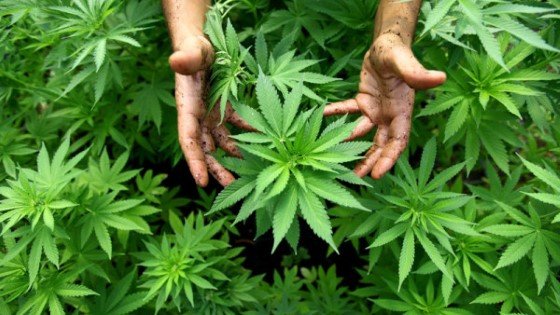
Focusing on cannabis breeding, we can mention the first quality marijuana Skunk #1. This variety consisted of three strains from Columbian Gold, Acapulco Gold, Afgani. It was characterized by good yield, taste, and aroma. Gradually, other varieties emerge, mostly from Afghanistan (indicas), Central America (sativa haze).
Breeding is a priority for seed banks. The most famous include Dutch Passion, Sensi Seeds, Greenhouse Seeds, Paradise Seeds, Nirvana Seeds and others. Most famous bred varieties include White Widow, BlueBerry, AK-47, Jack Herrer, Northern Lights, Durban Poison, ...