
Growing Cannabis with PGR: Is it Safe?
Since the beginning of agriculture, farmers have been seeking ways to increase crop yield. Hemp is no exception. PGR hemp is becoming a increasingly common method. But what exactly is it? How can you distinguish PGR hemp from naturally grown hemp? In this article, you'll learn everything you need to know about PGR hemp.
PGR: What Is It?
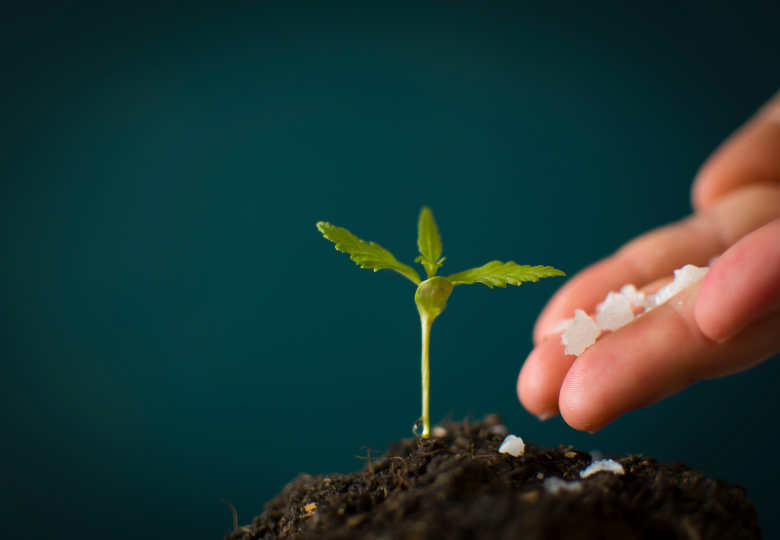
The abbreviation PGR stands for "Plant Growth Regulators". The main difference between PGR hemp and natural hemp is that PGR hemp is grown using synthetic hormones, while natural hemp is not. Plant Growth Regulators (PGR) are chemicals used to increase the volume of buds and overall yields. Essentially, they work by acting on plant hormones and accelerating processes that support growth while suppressing processes that hinder or limit growth.
Types of Synthetic PGRs Used in Hemp Cultivation
There are many growth hormones designed for growing various plants. However, for hemp, the following are most common:
Paclobutrazol
This hormone causes the hemp plant to grow faster and produce larger buds. However, this hormone prevents the development of key terpenes in the plant and reduces the plant's ability to produce THC. When smoked, paclobutrazol breaks down into nitrosamines, which are the most carcinogenic substances found in cigarettes.
Daminozide
Daminozide is listed by the Environmental Protection Agency (EPA) as a probable human carcinogen. Moreover, it reduces the production of terpenes and cannabinoids, such as CBD, CBN, and THC.
Chlormequat Chloride
This substance accelerates growth and flowering. It can also significantly reduce and standardize the plant's size.
Although there is no evidence that this PGR is carcinogenic, research is ongoing. Reports suggest that ingestion may cause organ damage and skin and eye irritation.
PGR Hemp: How to Recognize It?
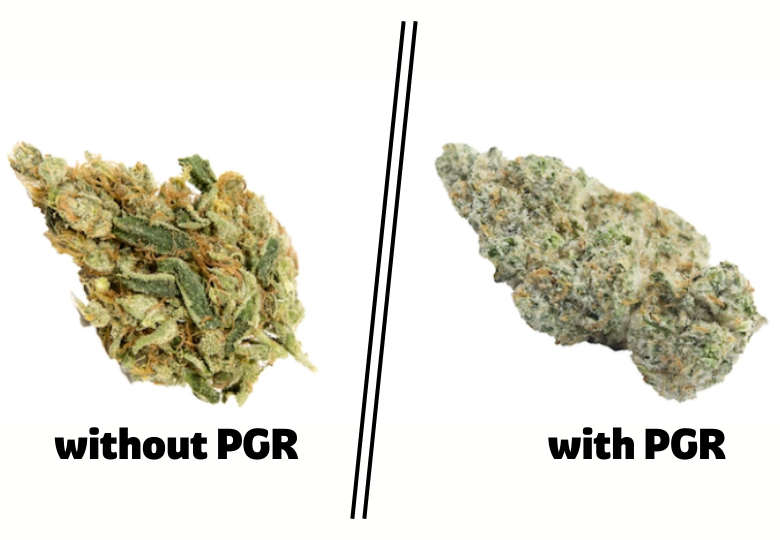
The main difference between PGR and natural hemp is that PGR hemp is grown using synthetic hormones, while natural hemp is not. Below are several ways to recognize if a hemp plant was grown using PGR:
- buds that are almost stone-hard,
- damp or spongy structure,
- brown or red pistils. While it's normal for hemp buds to have red or brown pistils, PGR buds have many more.
- Fewer trichomes,
- low THC content,
- buds have rounded and smooth edges,
- PGR buds turn matte brown when dried.
Is PGR Hemp Safe?
PGR hemp can be very harmful to human health. It is grown using synthetic growth hormones and has adverse health effects. Synthetic PGRs can be carcinogenic and therefore unsuitable for human consumption. In contrast, hemp grown naturally or with natural PGRs poses no health risks.
PGR may present the following health risks:
- headaches,
- nausea,
- skin/eye irritation,
- drowsiness,
- reduced fertility,
- organ damage,
- cancer.
Avoid PGR Hemp, Choose Organic
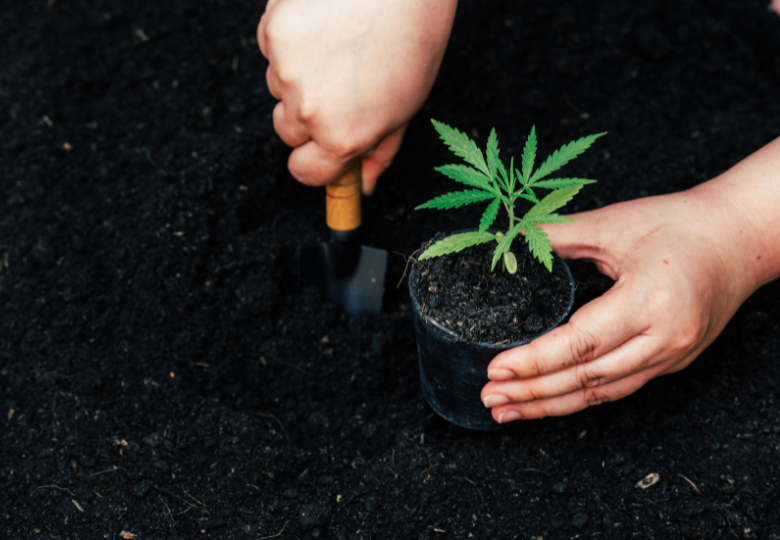
There are many hemp products on the market, most of which contain PGR. While this may lead to denser and heavier buds, it also means that PGR hemp contains low levels of THC and other cannabinoids that create the true value of hemp. Moreover, PGR hemp can be toxic.
If you suspect you've acquired hemp containing PGR, pesticides, or other chemicals, it might be time to consider growing your own hemp from seeds. Get hemp seeds with THC content under 1% and get started!