
Hemp and Chrysomelidae: How to Protect Hemp from These Pests?
What are Leafhoppers?
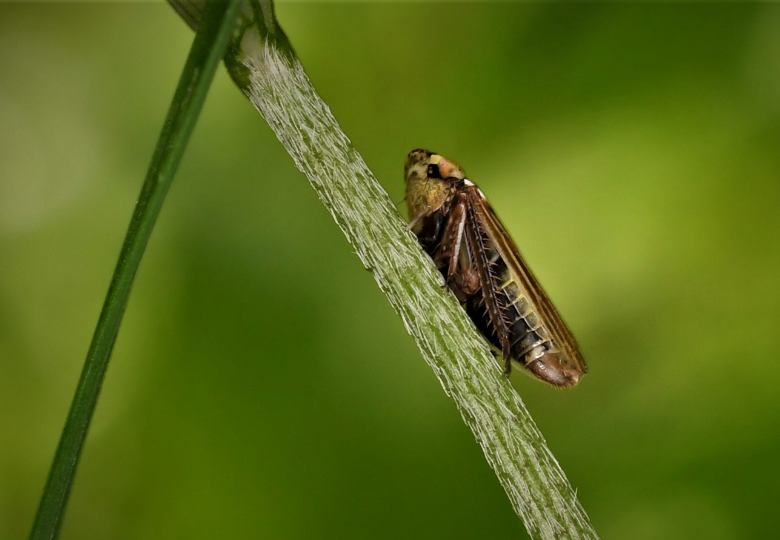
Leafhoppers are small insects that live and feed on hemp plants. There are at least 20,000 different species of leafhoppers that can vary in many ways, from solid to striped. Their coloration can be bright red, green, yellow, blue, pink, turquoise, purple, brown, and even black.
However, there are certain similarities between species that can help identify them:
- six legs, with the back two potentially hidden under the body,
- hairy back legs that allow them to jump,
- slender and wedge-shaped body,
- wings that lie flat on the body,
- two eyes on the top of the head,
- short antennae,
- when moving, they seem to slide sideways. They look like these pests move similar to crabs. These crab-like movements are one of the best ways to recognize leafhoppers from other insect species.
Leafhoppers vs. Grasshoppers: What's the Difference?
Leafhoppers resemble grasshoppers, but they differ. Grasshoppers have mandibles and damage plants by chewing holes. Leafhoppers have stingers and harm plants by sucking plant sap from leaves. Grasshoppers are much larger compared to leafhoppers. They can be easily distinguished this way. Grasshoppers can be several centimeters long, while leafhoppers are no longer than one centimeter.
[The rest of the translation continues in the same manner, preserving HTML structure and content]